We may receive a commission when you use our affiliate links. However, this does not impact our recommendations.
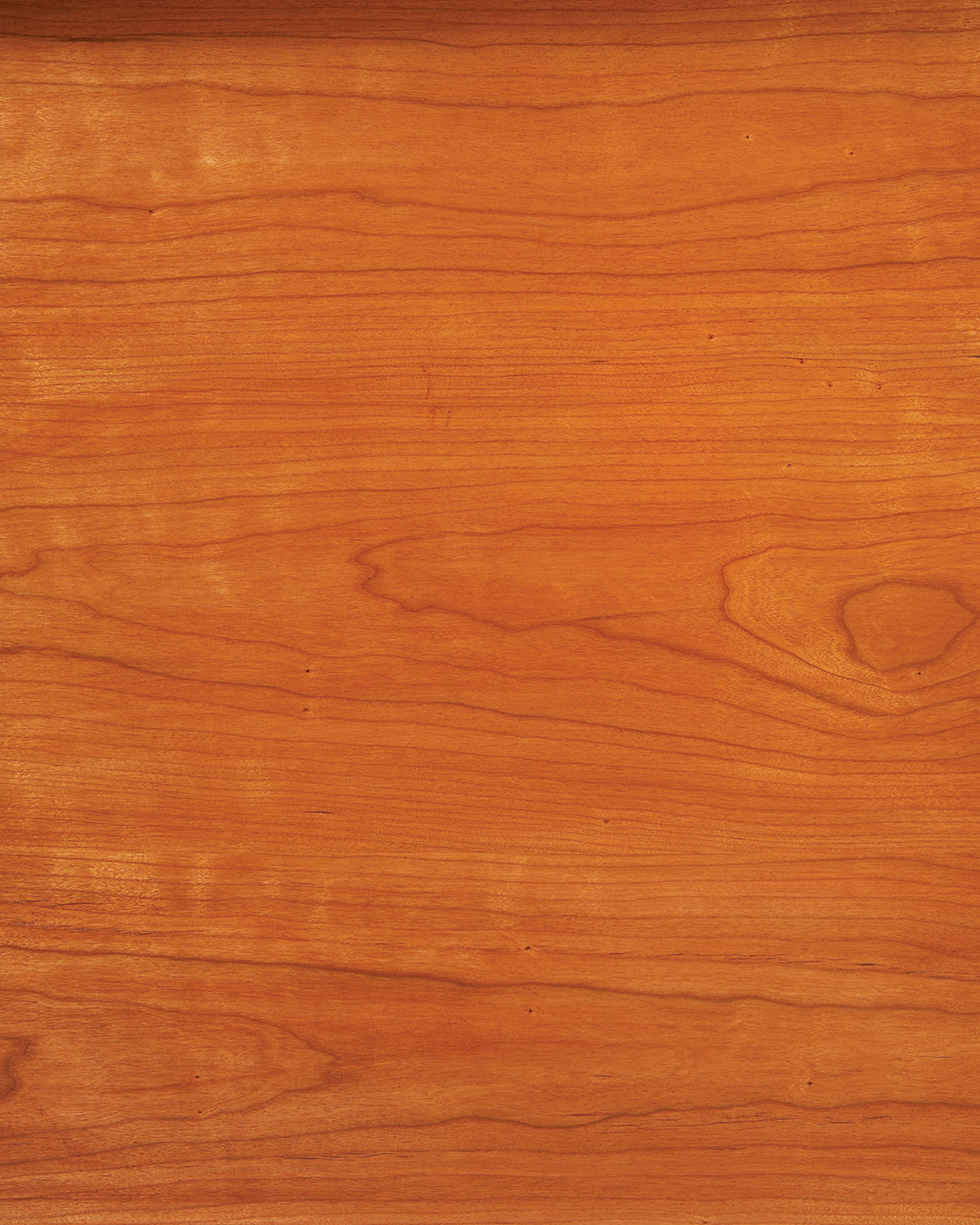 Wipe on years of age in less than a week.
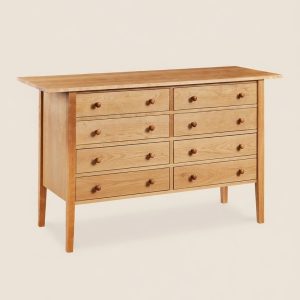
If you want to make a woodworker gnash his teeth, ask him to make new cherry look like cherry that has aged naturally to a rich, dark brownish hue.
Why is this challenge so fiendish? Because staining cherry, even with stain that’s the perfect color, doesn’t do the trick.
Here’s why: Cherry’s surface is covered with legions of tiny pores that are almost impossible to see—until you apply stain. Then they turn dark and stand out. Naturally aged cherry doesn’t show dark pores, so it’s impossible to create an authentic look with stain alone.
Production shops solve the problem by spraying on toned lacquer finishes; old masters pad on shellac and hand-mixed glaze. Here’s a no-fuss method that uses off-the-shelf products and provides great results.
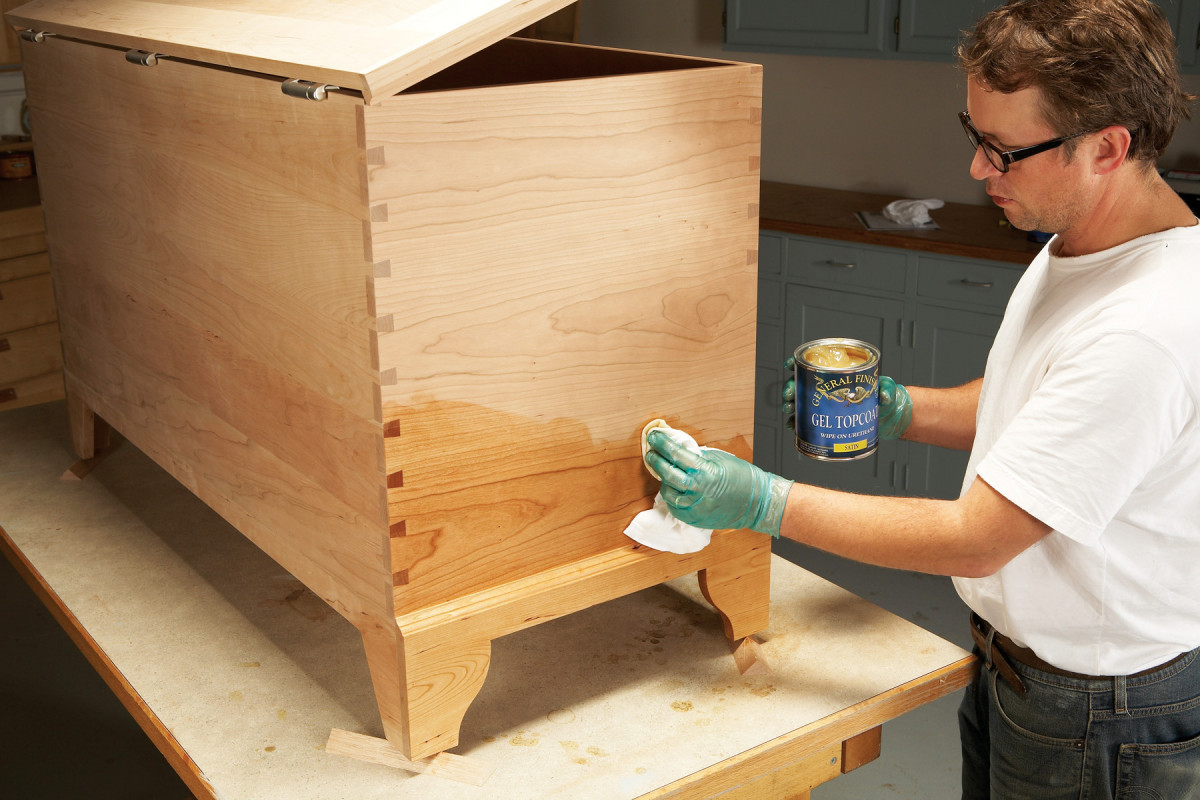
Photo 1. Wipe on two coats of General Finishes’ Gel Topcoat, after finish sanding to 180 grit. This step seals the wood’s pores.
Wipe on a coat of General Finishes’ Gel Topcoat clear urethane finish (see Photo 1). Apply the finish generously, using an overlapping a circular motion to work the finish into the pores. Remove the excess finish by wiping across the grain, followed by wiping with the grain. After the finish is thoroughly dry, lightly scuff the surface with 320-grit sandpaper or #0000 steel wool.
Wipe on a second coat of Gel Topcoat. Let it dry and lightly scuff the surface, as before.
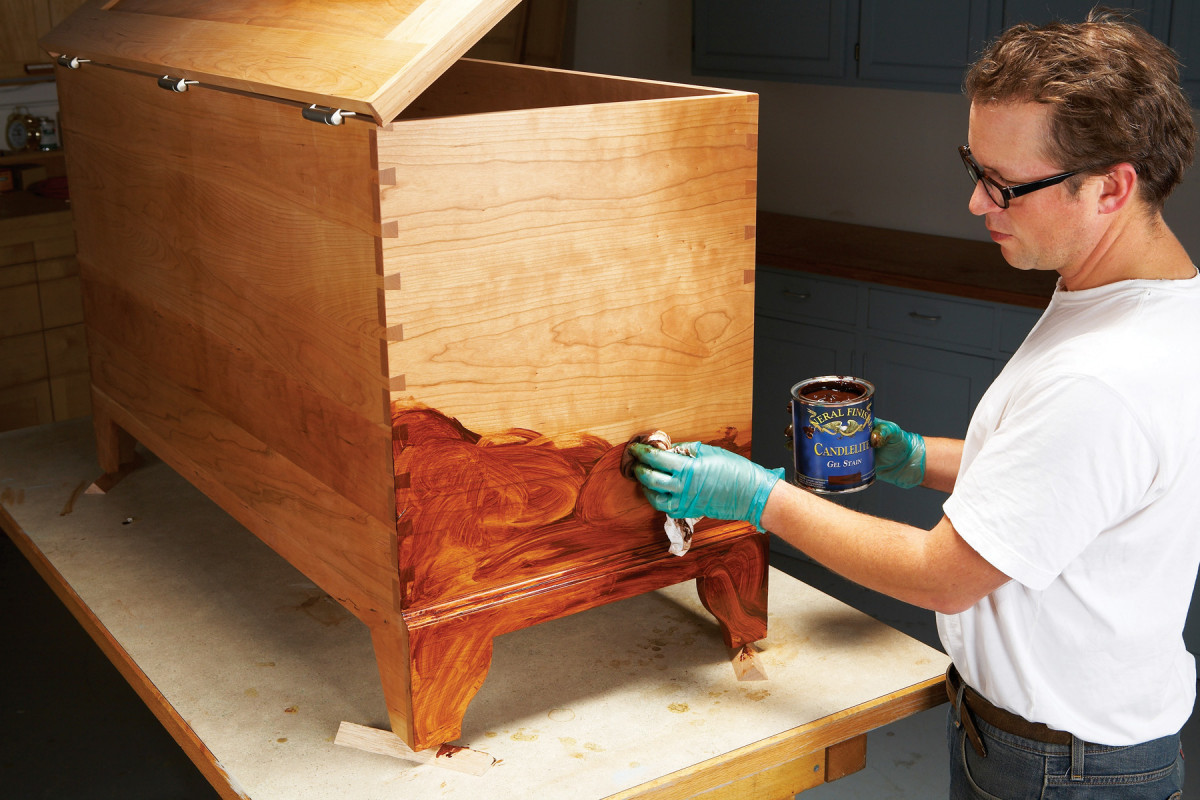
Photo 2. Wipe on one or more coats of General Finishes’ Candlelite gel stain. Because the wood’s surface is sealed, it adds an even layer of color that makes cherry look like it has aged naturally.
Wipe on a coat of General Finishes’ Candlelite gel stain—I think it’s the perfect color for aging cherry (Photo 2). This stain begins to set up pretty quickly, so divide the work into manageable sections. Apply the stain liberally, then wipe with the grain to remove the excess. The trick is to remove all the streaks, blotches and rag marks while leaving as much color on the surface as you can. A rag that’s partially loaded with stain (but not saturated) works best. I like to use two rags, one more heavily loaded than the other, so I can remove marks and add color as needed. When you’re done, take a careful look in good light to make sure the color is uniform and goof-free. Let the finish dry thoroughly.
Wipe on a second coat of Candlelite stain to deepen the tone.
Protect the color layer by wiping on additional coats of Gel Topcoat. For wear surfaces, such as table tops, you could opt to build a more durable finish by brushing or spraying on coats of polyurethane.
Usually you can’t apply stain over a finish. But the process works with these gel stains because they’re actually colored gel varnish. Applying Candlelite gel stain over Gel Topcoat is similar to applying a layer of toned finish, and because the wood’s surface has already been sealed, the stain doesn’t darken the pores. For the same reason, this method reduces blotching. Another benefit of sealing the wood before staining is that if you don’t like the color the stain imparts, you can wipe it off with mineral spirits (as long as the stain is still wet), without hurting the Gel Topcoat underneath.
Each additional layer of gel stain deepens the wood’s tone. You can achieve a deeper tone more quickly by skipping Step 2 and applying the stain over one coat of clear finish. But as the wood’s surface isn’t sealed as thoroughly, you’ll end up with some dark pores and more noticeable blotching.
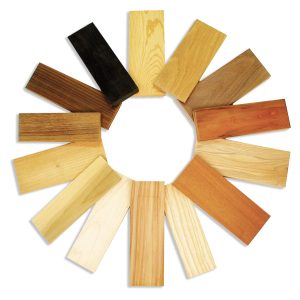
You can alter the wood’s tone by using a different gel stain color for the second coat (Step 4). Stains with names such as “brown mahogany,” “walnut” or “mission” usually make cherry more brown; “mahogany” and “cherry” stains usually make cherry more red. Always choose gel stain by its color, however, not by its name.
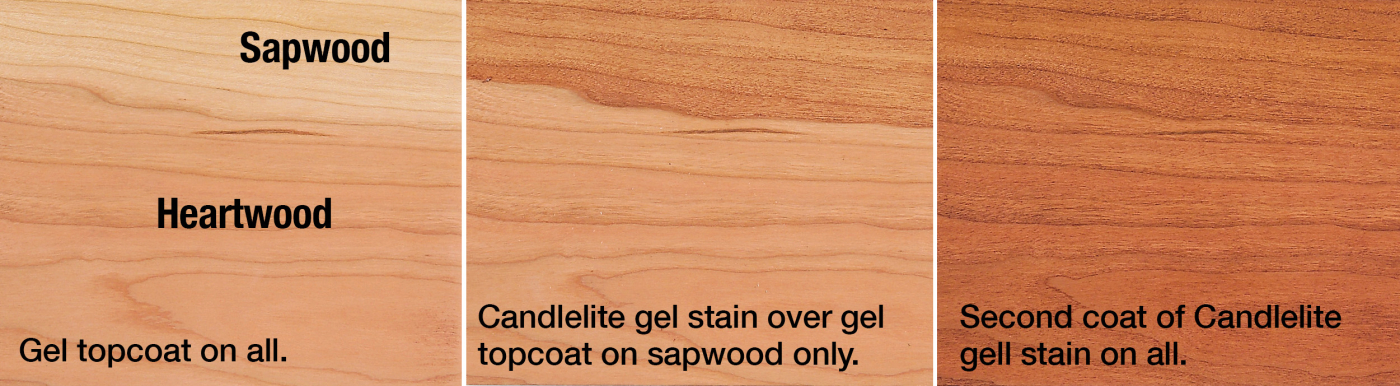 Blend Color Mismatches
Use the same method to blend sapwood and heartwood, plywood and solid wood, and even color variations between boards. Begin by sealing the entire surface with a coat of Gel Topcoat. In addition to preparing the surface, this coat of varnish shows the wood’s natural color, so you can choose the most complementary color of gel stain to use.
When the varnish has dried, apply Candlelite gel stain to the light-colored sapwood only. Gel stain is perfect for this job, because its thick, no-drip consistency makes it easy to control. When the first coat of stain has dried, apply a second coat of Candlelite gel stain over the entire surface.