We may receive a commission when you use our affiliate links. However, this does not impact our recommendations.

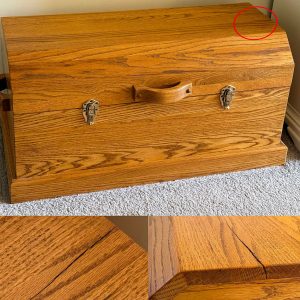
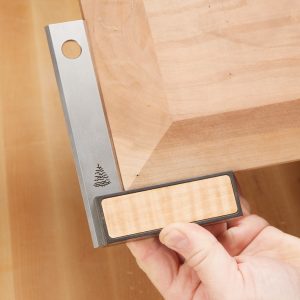
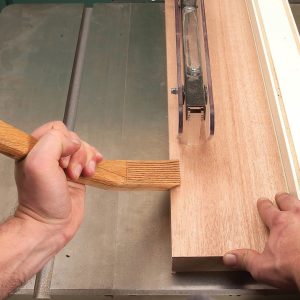
Wood, being a natural product, is not without its defects. Many are obvious and some (such as the upset above) can be harder to detect. I’ve always known them to be called an “upset” but “thunder shakes” and “compression failure” are also terms used to describe it. The thing I hate about upsets is how hard they can be to detect, especially when the wood is rough-sawn. Most often I only notice them when I’m setting out material. The tell-tale sign is a jagged line across the wood that can be quite faint, almost like something has been dragged over the surface. When I see this mark I give the wood a clunk on the floor and it usually breaks straight across the jagged line.

The cause of this defect is stress that could be due to felling over obstructions, rough handling and wind loads during the growth. I’m sure there are others that anyone versed in the lumber trade could add.
I have experienced this defect in sapele and idigbo, but a quick look online reveals that an upset can occur in pretty much any species. The potential risk caused by an undetected upset is clearly severe. In the shop, an unpredictable fail when using machines could be dreadful; if it entered service within a finished project, well you can see from the photos. So beyond the sap, knots and shakes, also keep your eyes out for the upset.

— Graham Haydon