We may receive a commission when you use our affiliate links. However, this does not impact our recommendations.

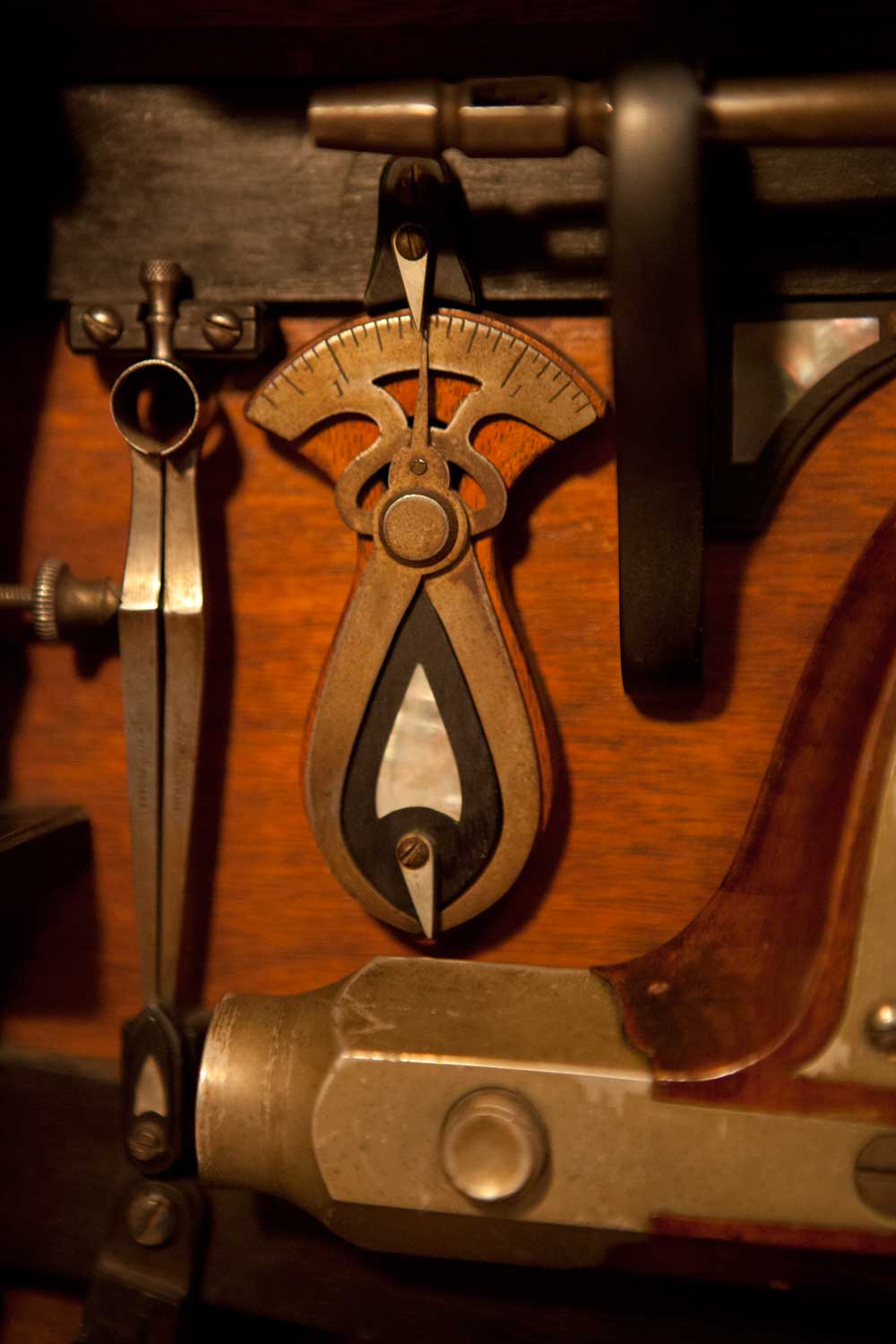
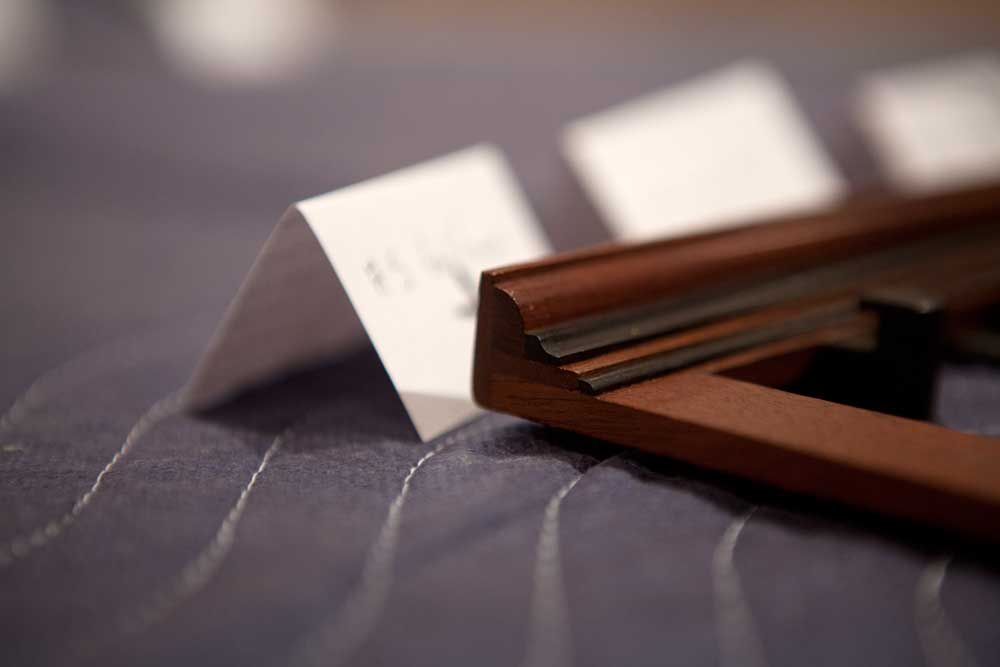
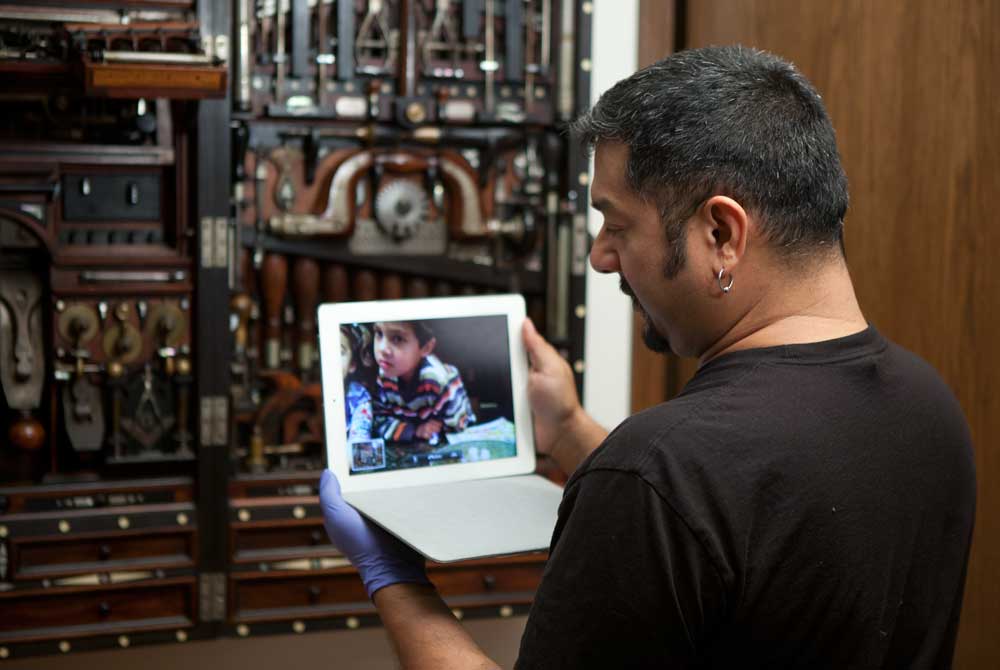
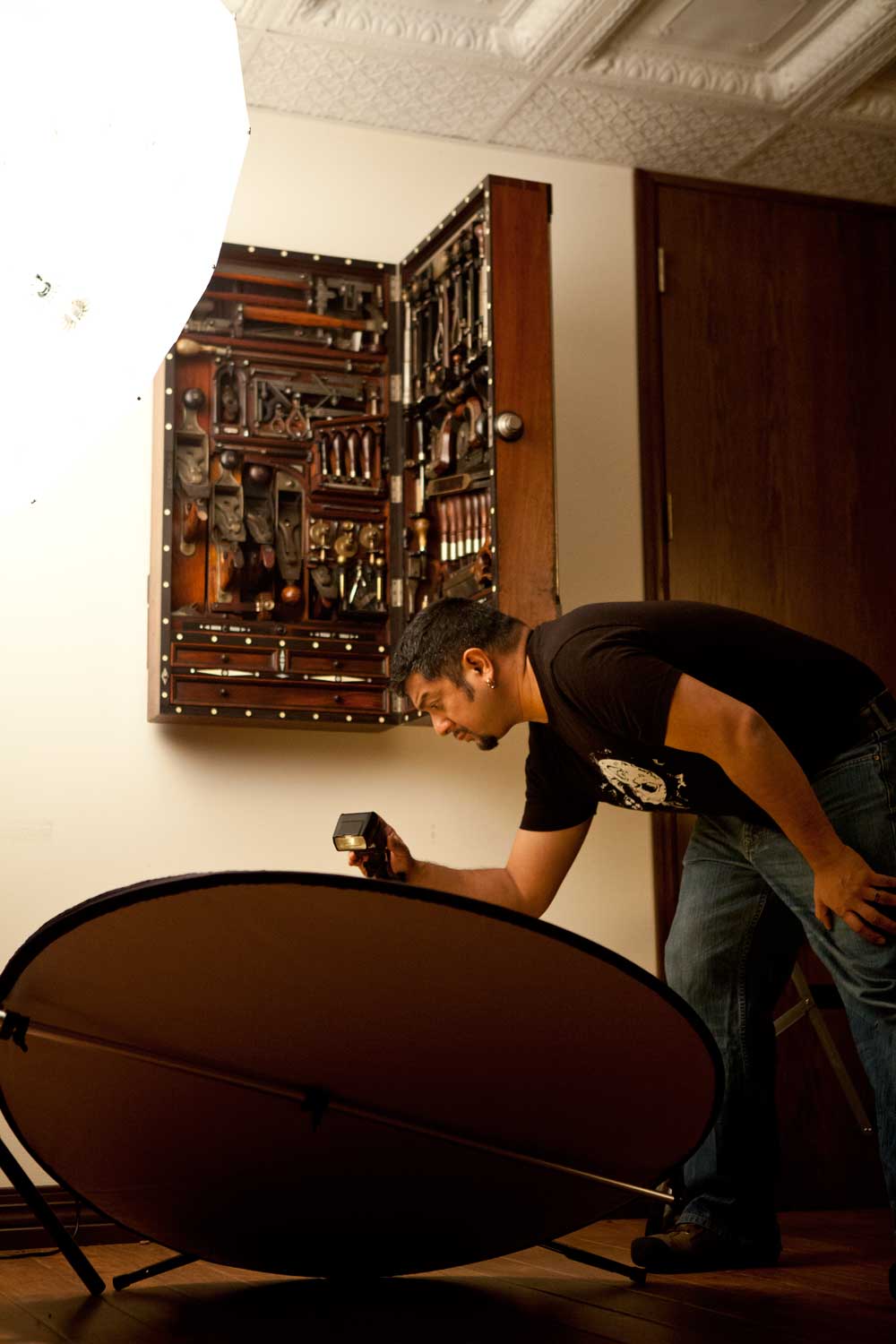
Today we inched our way through the process of documenting the tools in the H.O. Studley chest with high-resolution, for-publication photographs. It is grueling work that’s done in the dark, punctuated by blinding flashes and always coated in the fear of dropping one of the tools to the floor below.
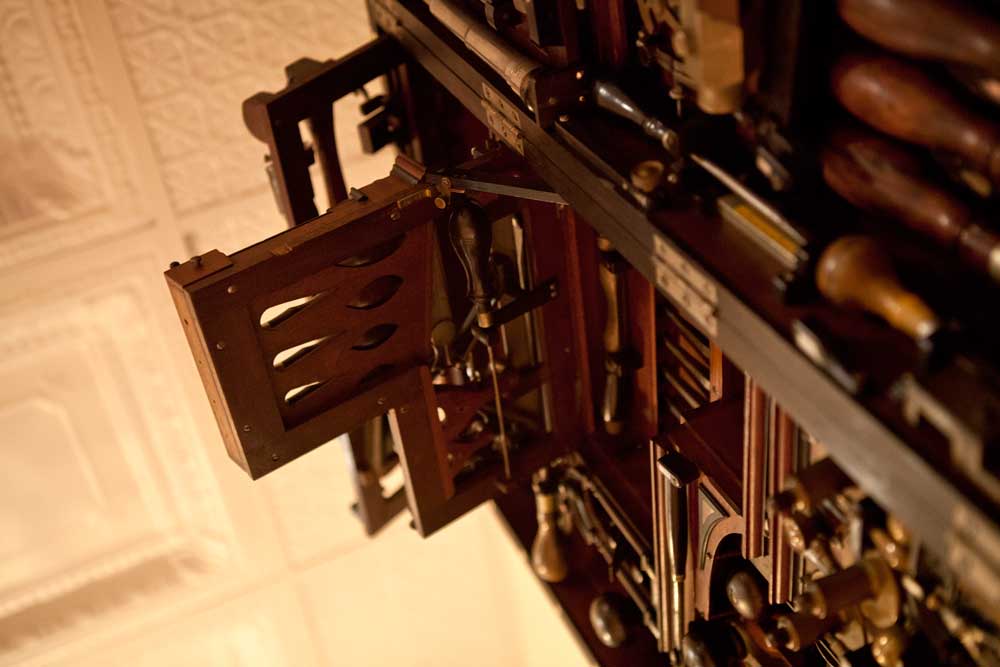
All told, there are more than 80 tool groupings to document. And each grouping needs at least a dozen photos. Tools that Studley made or modified require even more photos and measurements so that we can map out the shapes that his hands like to create.
After handling every tool it’s obvious that Mr. Studley liked:
• 1/16″ beads on his ebony handles.
• Flats on tools that tended to roll on the bench.
• Three decorative incised lines on the bulbous area of the handle.
• Grecian coves and ovolos (as opposed to Roman ones).
In fact, his language is so distinct as it’s repeated on every element of his chest and tools that it’s obvious when you stumble on a tool or repair that was made by someone who did not speak fluent “Studley.” There is a screwdriver in the chest that is obviously a later addition made by someone who thought (wrongly) that he could turn.
As Don Williams and Narayan Nayar and I became more attuned to these details, we began to revise our own assessments from our visit last year. We now doubt that he modified his (very rare) Humphrey shave. Yeah, it looks a little off. But it doesn’t look like his work.
Still, we have a lot of work ahead in the coming days and reserve the right to change our minds. After two days of work, we’ve only completely documented about 20 percent of the tools (and this current effort builds on last year’s work).
So when will this book be ready? Probably two years from now. Will it be worth it? We think so.
The goal is to explain every tool and every detail of this chest. But more than that, Williams has been researching the maker. Eighteen months ago he enlisted the help of a senior Mason to explore that avenue. Plus there are military records, the Quincy, Mass., historical society, birth records and news clippings.
Add those to what we are learning of the tools, and I think that we’ll have a good portrait of Mr. Studley, who truly was a virtuoso.
— Christopher Schwarz


You may also be interested in “The Anarchist’s Tool Chest” by Christopher Schwarz.