We may receive a commission when you use our affiliate links. However, this does not impact our recommendations.
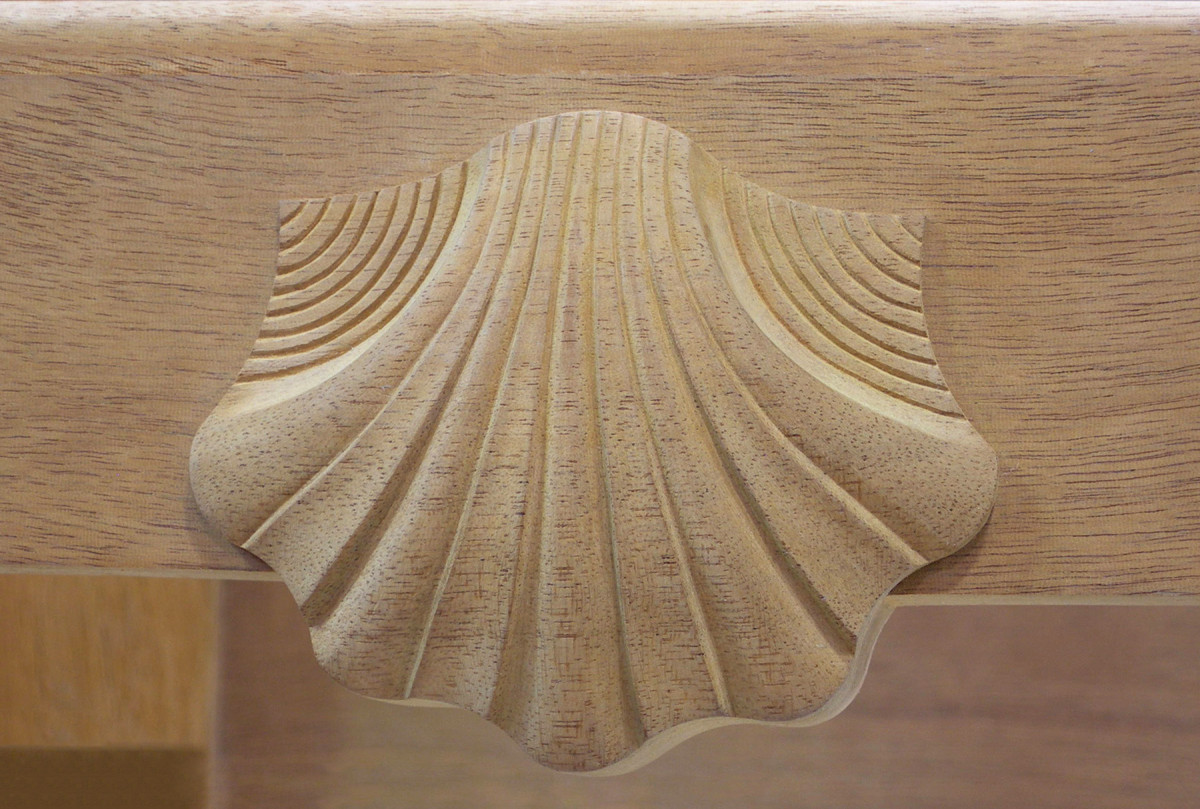
The fine details discovered in a piece of furniture delight viewers when they look closer.
Successful furniture designs draw viewers closer and reward them.
Out of the corner of my eye it caught my attention, a fire-engine red 1966 Chevy Impala Super Sport. Memories flooded back to my first car, a model just like this except mine was green with a white rooftop. The problem with memories is that they often clash with reality. As I got closer to inspect the car, the view made me wish I’d stayed at a distance and not seen the bad sheet metal repairs and sketchy interior.
I’ve experienced the same thing when looking at furniture pieces. A chair or cabinet can have wonderful curb appeal from across the room, and then fall down completely upon closer inspection. For a design to succeed it needs to draw our attention from a distance and then reward us for making the trip across the room. It should surprise and delight us up close. That sounds easy, but it’s not.
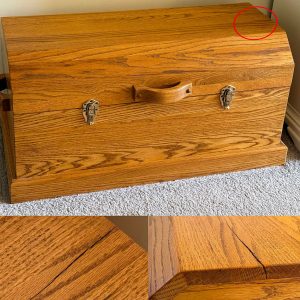
From a functional standpoint we may have a long list of requirements for any design. A chair must sit well and feel like we can trust it if we lean back or shift our weight. A cabinet may need a shelf sized to fit our vinyl record collection. But the aesthetic requirement to please us from afar and close-up is a different animal. In the first place that alluring look from a distance always takes into account the room setting our design resides in. Another way to think about this is that the distant view is how the piece comes across as a solid object taken as a whole. (Image 1) The interior space where it resides is the setting our design needs to compliment.
Wall or Window
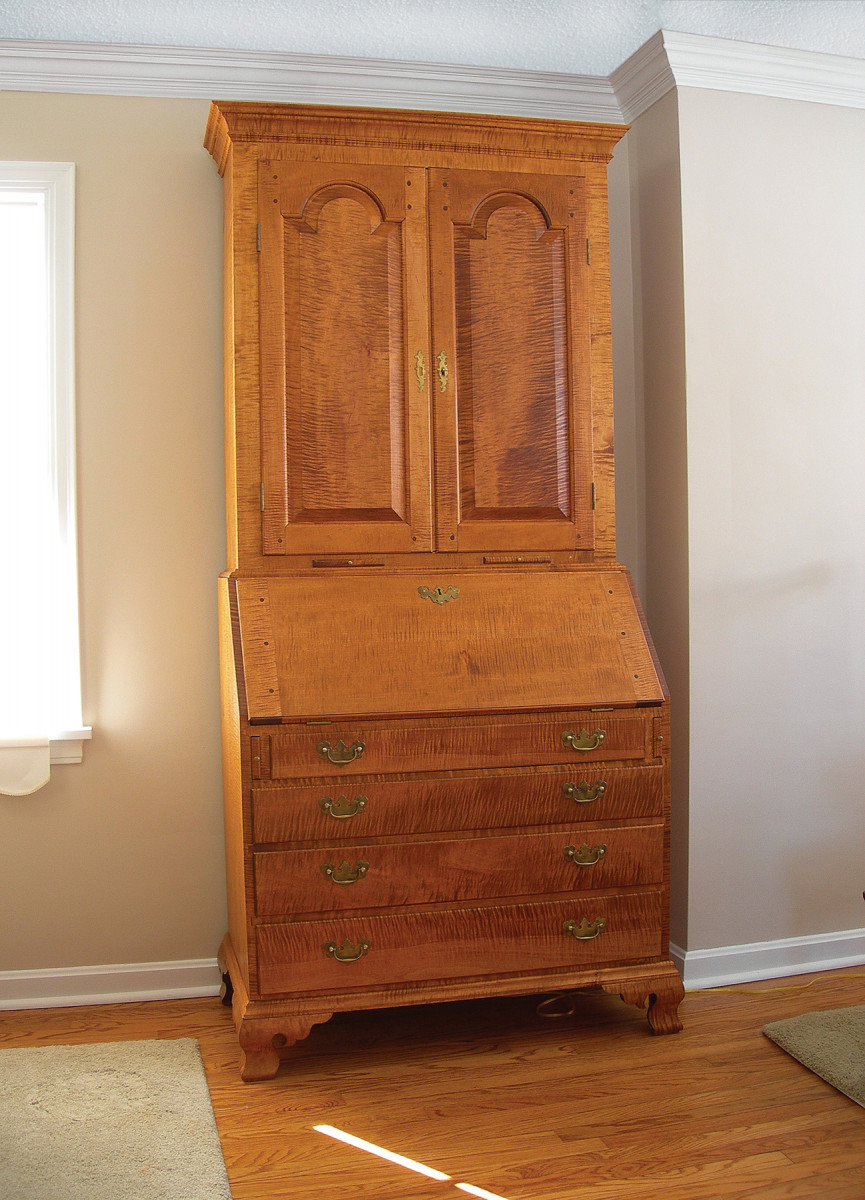
1. Our first impression of how well a design fits in a room’s setting is usually from a distance.
Since the across-the-room look is a marriage between the piece and the interior setting, it’s important to think about what we’re trying to achieve. One of the first questions I ask is, do I want a wall or a window? By this I mean, do I want a design that has a solid mass more like a wall. Or do I want a design that’s more “air” than structure and which allows my eye to look through it like a window.
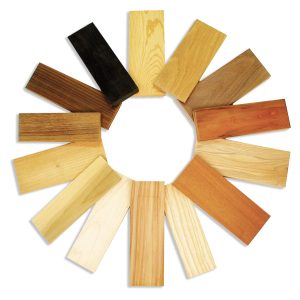
A good example of a design that falls into the wall category is the iconic Arts & Crafts chair design by Mackintosh. These exaggerated high-backed chairs (image 2) were quite a departure when they came on the scene. Mackintosh used this design to create an intimate dining setting. Place these chairs around a dining table and their visual mass created a small room within a room.
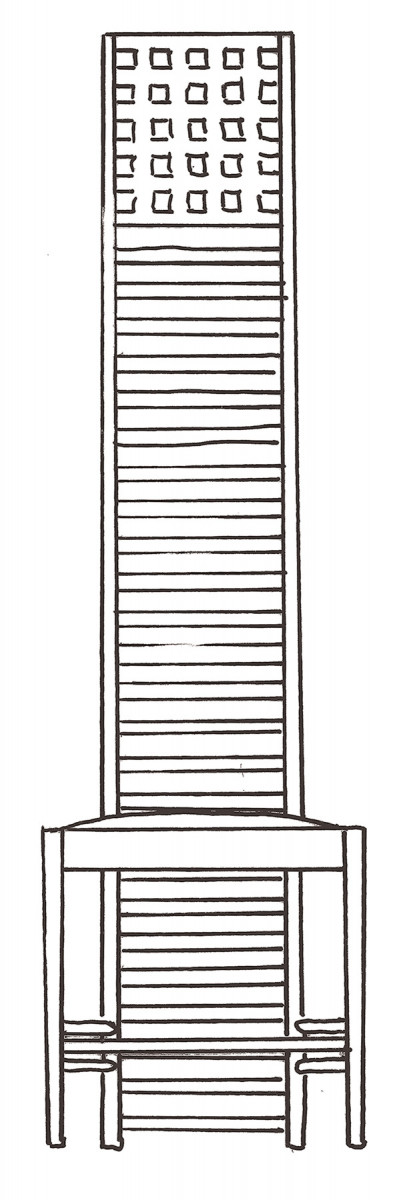
2. These high-backed chairs around a table create a sense of being in a private booth.
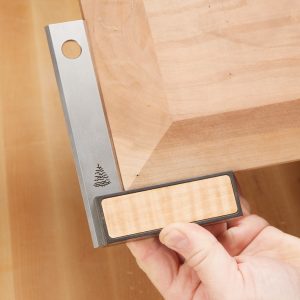
Contrast that with a Windsor chair that’s more air than wood. You can pack a room full of Windsor chairs and the space still feels open and airy. You can apply this idea of wall or window to cabinets. Do you want something that creates a cozy intimate space in a study (a wall), or do you want an open feel that invites your eye to see further. A tall bookcase with floor-to-ceiling height might add to the sense of privacy and seclusion to a study. Contrast that with a sunroom—do you want a chair that’s more like a window and gives the feeling of being outside in the garden (image 3)?
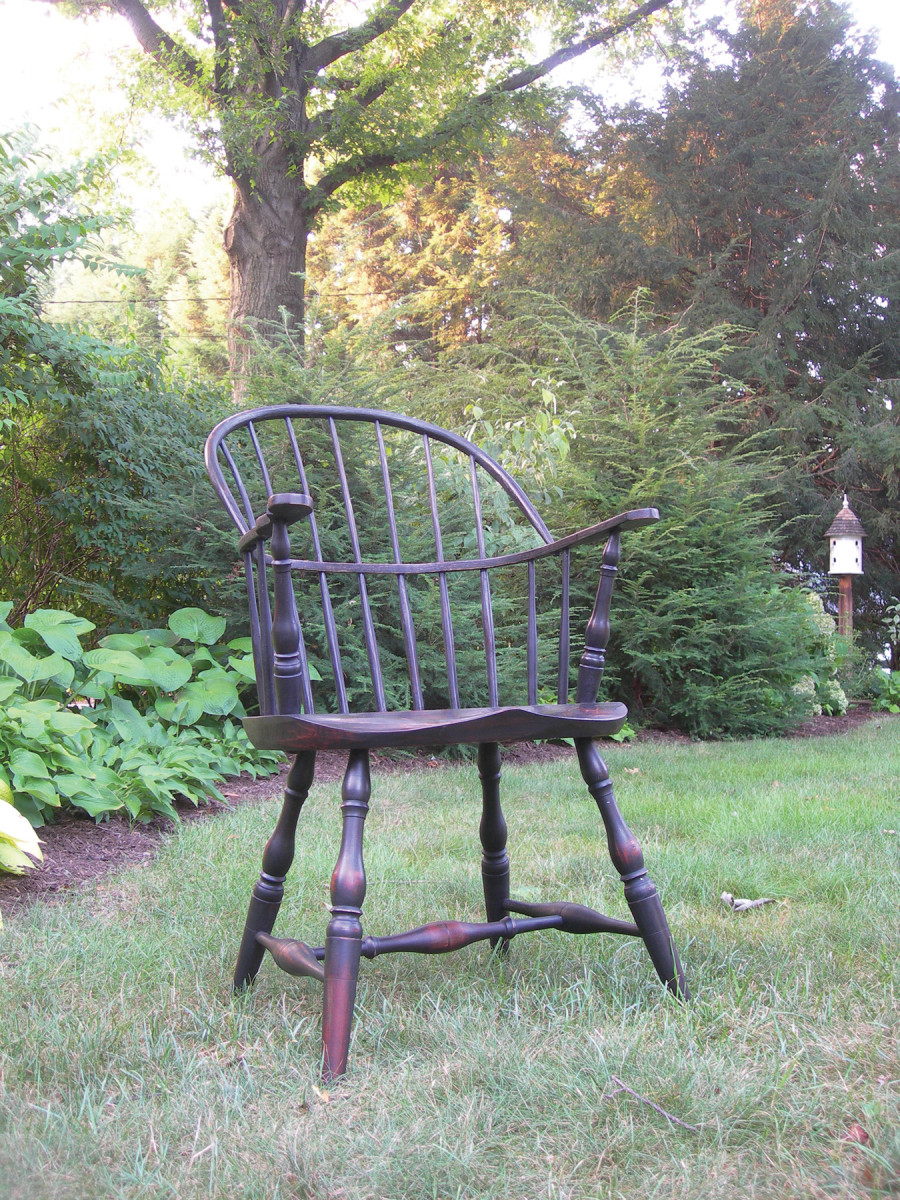
3. The “airy” variations of Windsor chair designs help a room feel larger and more open.
Sparkly Details
Let’s jump to that close-up view where we want to add some little gem to delight and connect with the viewer. My first rule of thumb is: anything meant to delight up close shouldn’t be visible from a distance. It’s easy to go overboard about showing off some new carving or marquetry skill you’ve just learned. It’s also tempting to go over the top with it and create a wedding cake.
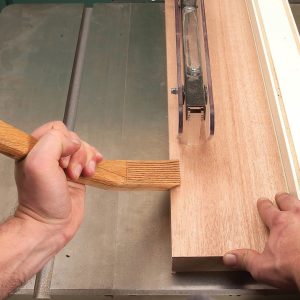
I like to think of the up-close details as the soft background music that compliments the overall form. Details that delight up close can include carefully chosen figured panels or crisply cut dovetails or small ebony pegs that give a bit of contrast to the joinery (image 4). Close-up surprises aren’t confined to visual sparkles. They can also be something as simple as a door pull that wraps nicely in our fingers or
a chair arm that seems to fit perfectly when we rest our elbows to read a book.
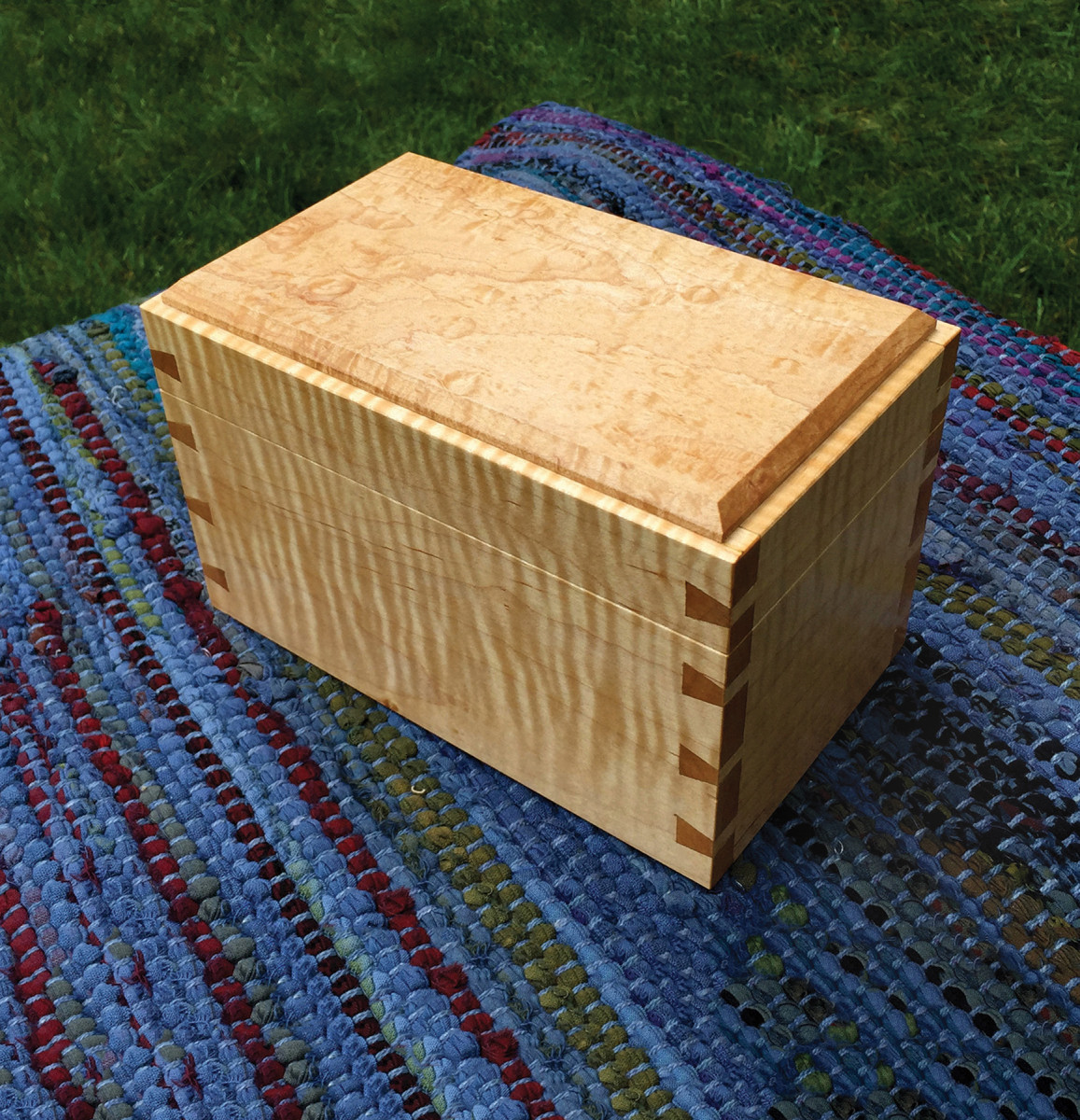
4. Small details in a design provide up-close pleasure not initially noticed from afar.
Another appealing up-close detail is the look and feel of surfaces that’ve been worked with hand tools. We do have the ability with modern abrasives to create glass-smooth, perfect surfaces. To my eye, the look and feel of a surface that shows some unevenness from a tool or an artisan’s hand is a strong connection that I enjoy.
Of the two looks, the distant view is perhaps the most important to get right. It’s all about the overall form and how it invites us to interact. It’s where your ability to design is tested. Yet we don’t want to disappoint when viewed up close. The up-close view is where you can put some of your craft skills on display.
Take note of these two views when looking at furniture designs you admire. What draws your eye from a distance? What delights your eye or touch up close? Think about the volume settings on those up-close details. Is the volume cranked up loud or toned back and subtle?