We may receive a commission when you use our affiliate links. However, this does not impact our recommendations.
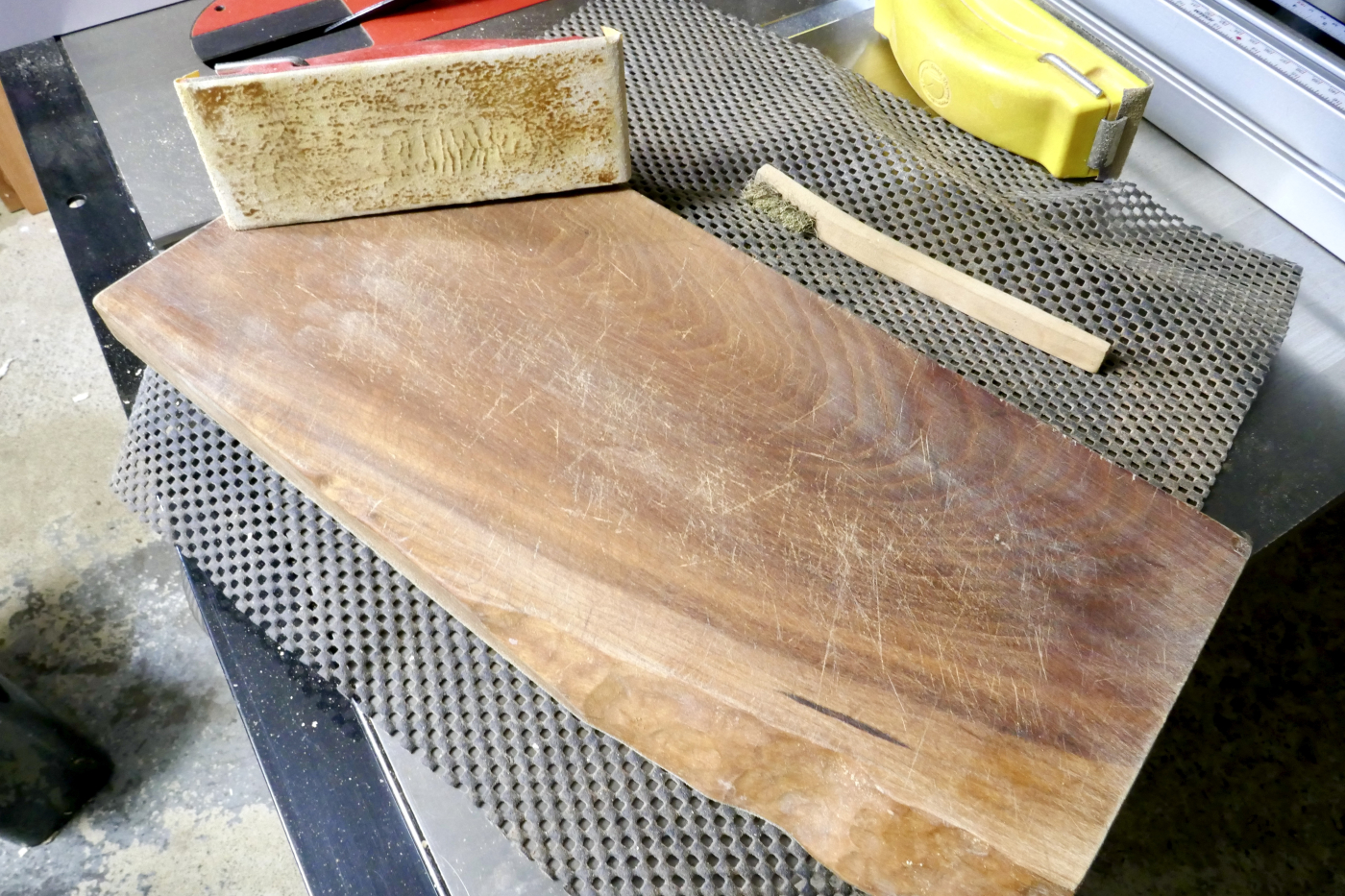 We’ve all been there: you’re halfway through a sanding session, and your sandpaper—whether it’s a fresh disc on your orbital sander or a sheet wrapped around a block—suddenly stops cutting. You look at the surface and see it’s “loaded” or clogged with a stubborn mixture of resinous sawdust, paint shavings, or gummy glue residue.
This is especially prevalent when working with reclaimed wood or pine, where the natural resins act like a magnet for dust. Most woodworkers see those clogged pores between the mineral aggregates and immediately toss the sandpaper in the bin. But before you reach for a fresh sheet, there is a simple, effective technique that can extend the life of your abrasive media by up to three times.
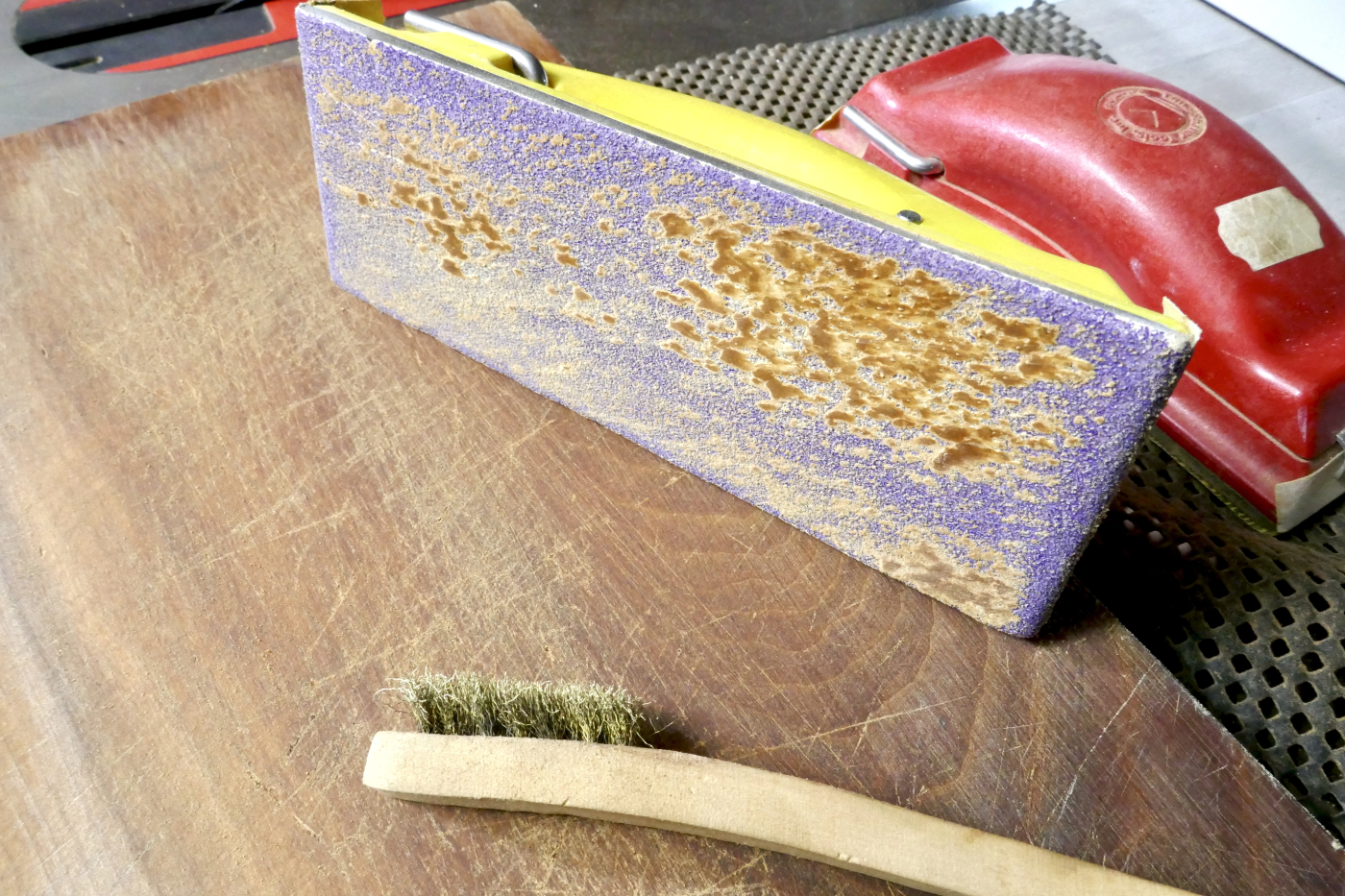
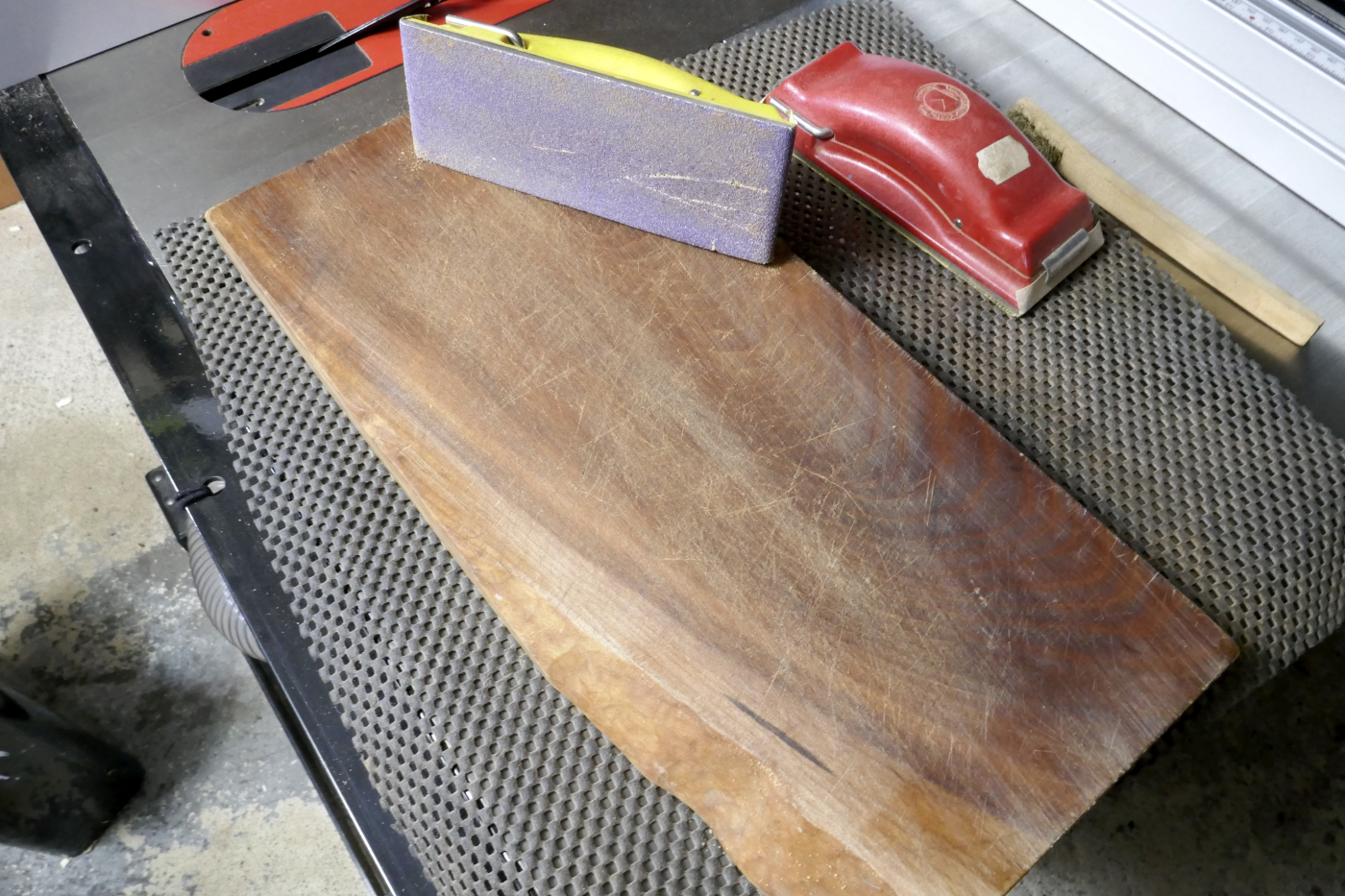
Before brushing
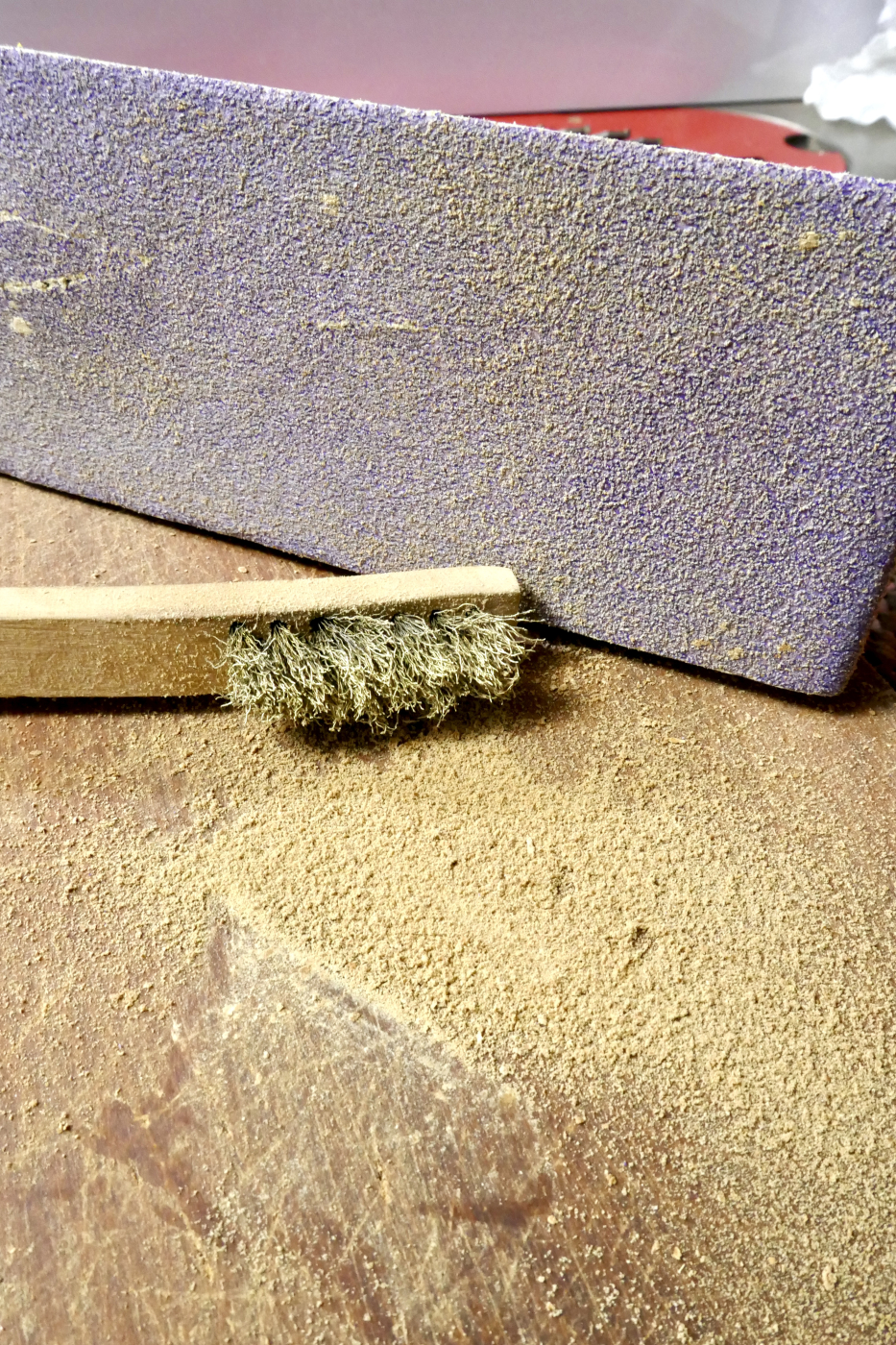
After brushing
The Secret Tool: The Brass Bristle Brush
While many people are familiar with the large rubber “eraser” blocks used for cleaning wide-belt sanders, I’ve found that for smaller sheets, blocks, and discs, a simple manual brushing is often more effective and convenient.
I’m not overly picky about the specific brush, but I’ve found that a brass bristle brush is the absolute “goldilocks” tool for this job.
- Why Brass? Brass is stiff enough to dislodge the debris caught between the abrasive minerals, but it is soft enough that it won’t damage the paper or fabric substrate. It clears the “valleys” between the grit without dulling the “peaks” of the minerals themselves.
- The Technique: It’s as simple as it sounds. When you notice the sandpaper losing its bite, just give the surface a vigorous brushing. You’ll see the packed-in dust and resin dislodge, exposing a fresh, sharp surface of minerals.
Why Bother?
In a high-production shop or even a hobbyist’s garage, abrasives are a recurring expense. By taking ten seconds to brush off your sanding media, you maximize the utility of every square inch. I have found that I can often get three full cycles of effective sanding out of a single disc just by keeping it clean.
It’s a small habit that saves money, reduces waste, and—most importantly—keeps your project moving forward with a surface that actually continues to cut rather than just generating heat and friction.
Give the brass brush a try the next time you’re working with a resinous species or some reclaimed timber. You’ll be surprised at how much life is left in that “spent” piece of sandpaper.