We may receive a commission when you use our affiliate links. However, this does not impact our recommendations.
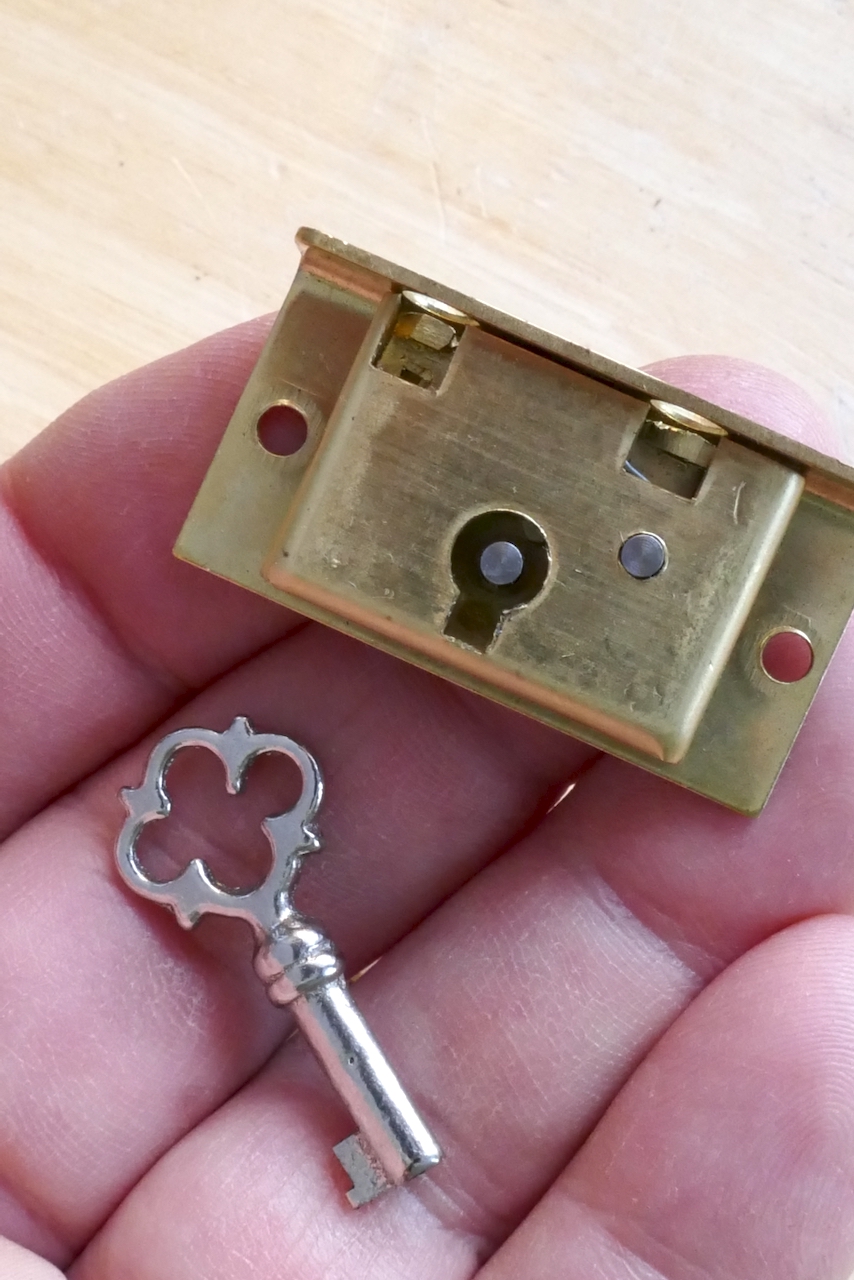
When you pour dozens of hours into a specialized woodworking project, the last thing you want to do is compromise on the “jewelry”—the hardware. However, as many of us have discovered, finding high-quality furniture hardware has become increasingly difficult.
In a world dominated by mass-produced, utilitarian latches, finding a true box lock requires stepping away from the powerhouse woodworking catalogs and diving into the world of niche hardware makers.
Anatomy of a Proper Box Lock
To understand why these are hard to find, we have to look at how they differ from standard furniture locks. A typical door lock uses a “tongue” that shoots out horizontally into a mortise. A box lock is different. Because it must secure a lid that meets the frame of the box, it requires a vertical engagement.
A quality box lock consists of two main parts:
1. The Lock Body: This is mortised into the front wall of the box.
2. The Boss Plate: A plate attached to the underside of the lid.
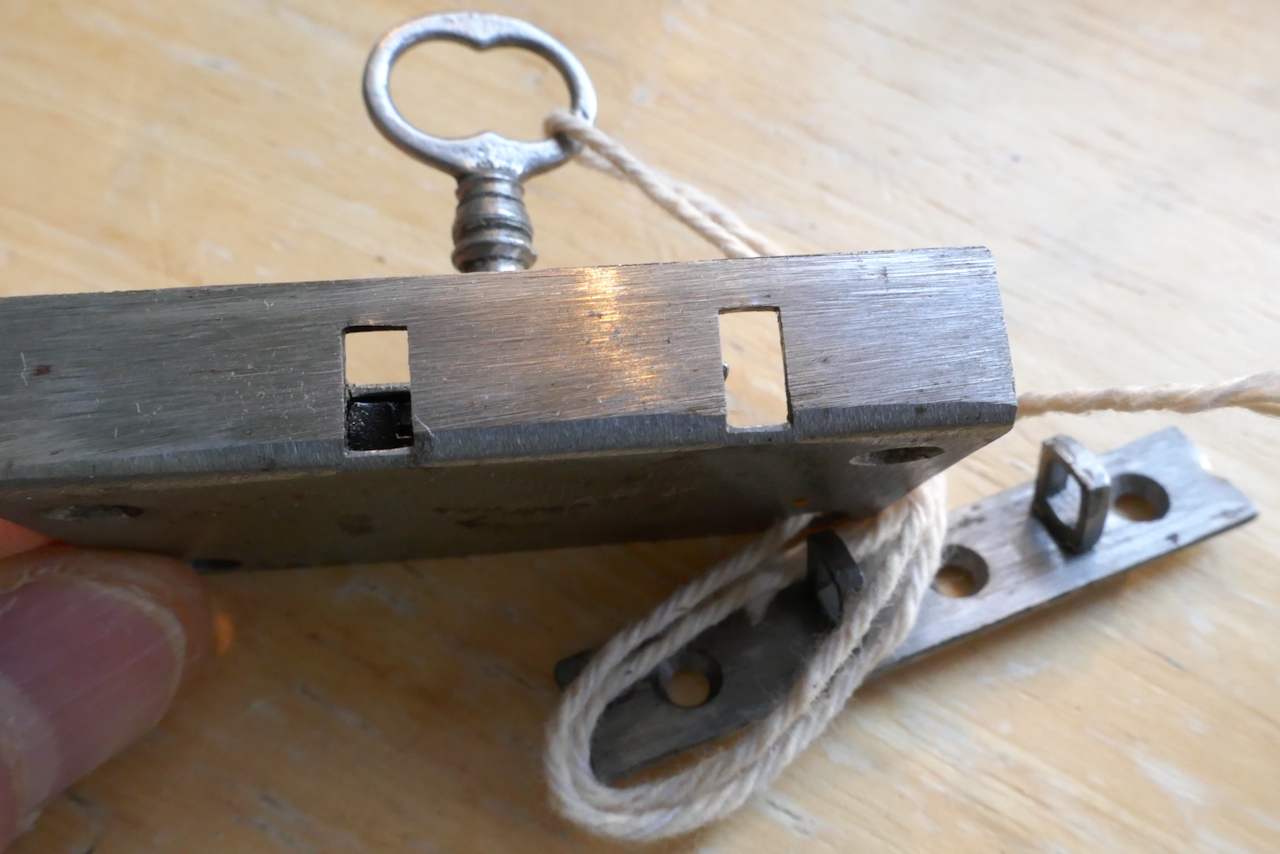
The Lock’s body and the boss’s plate.
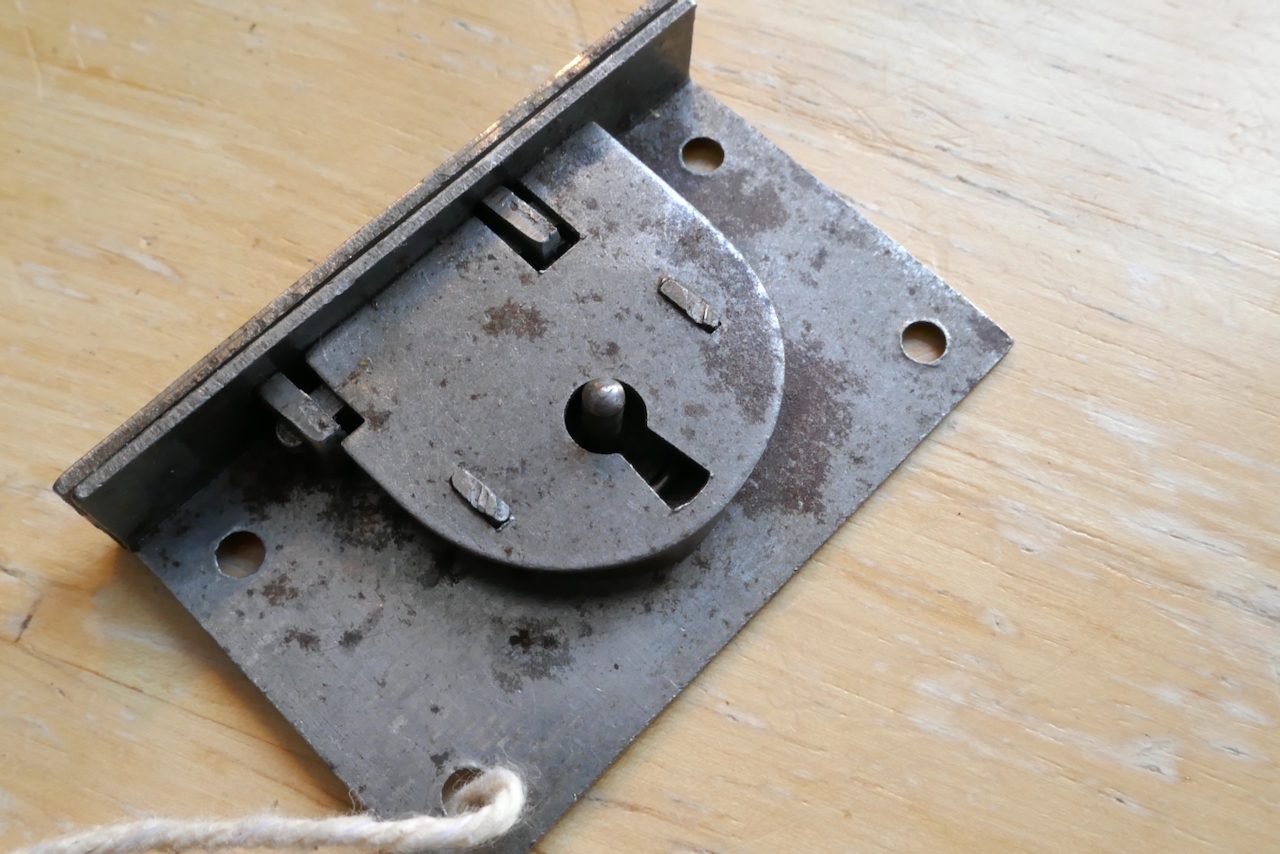
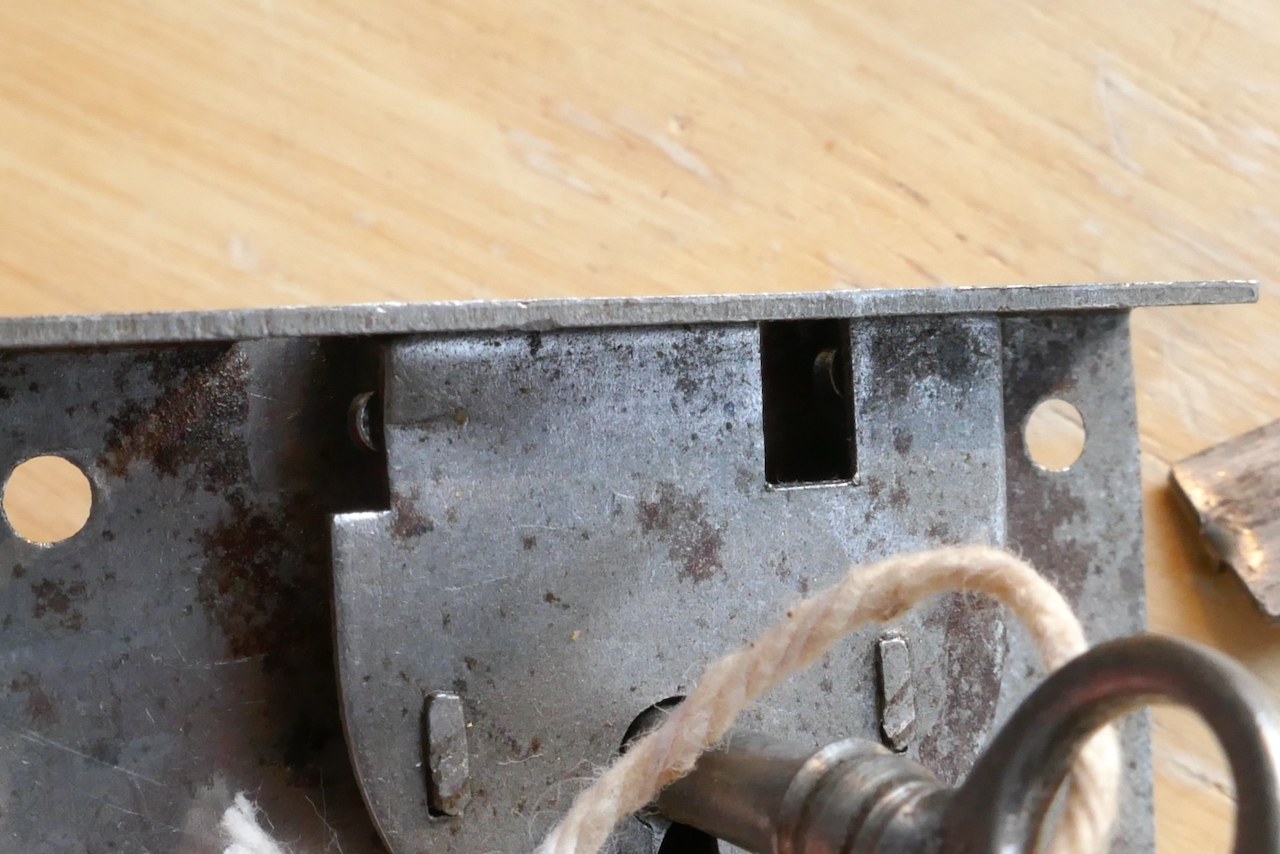
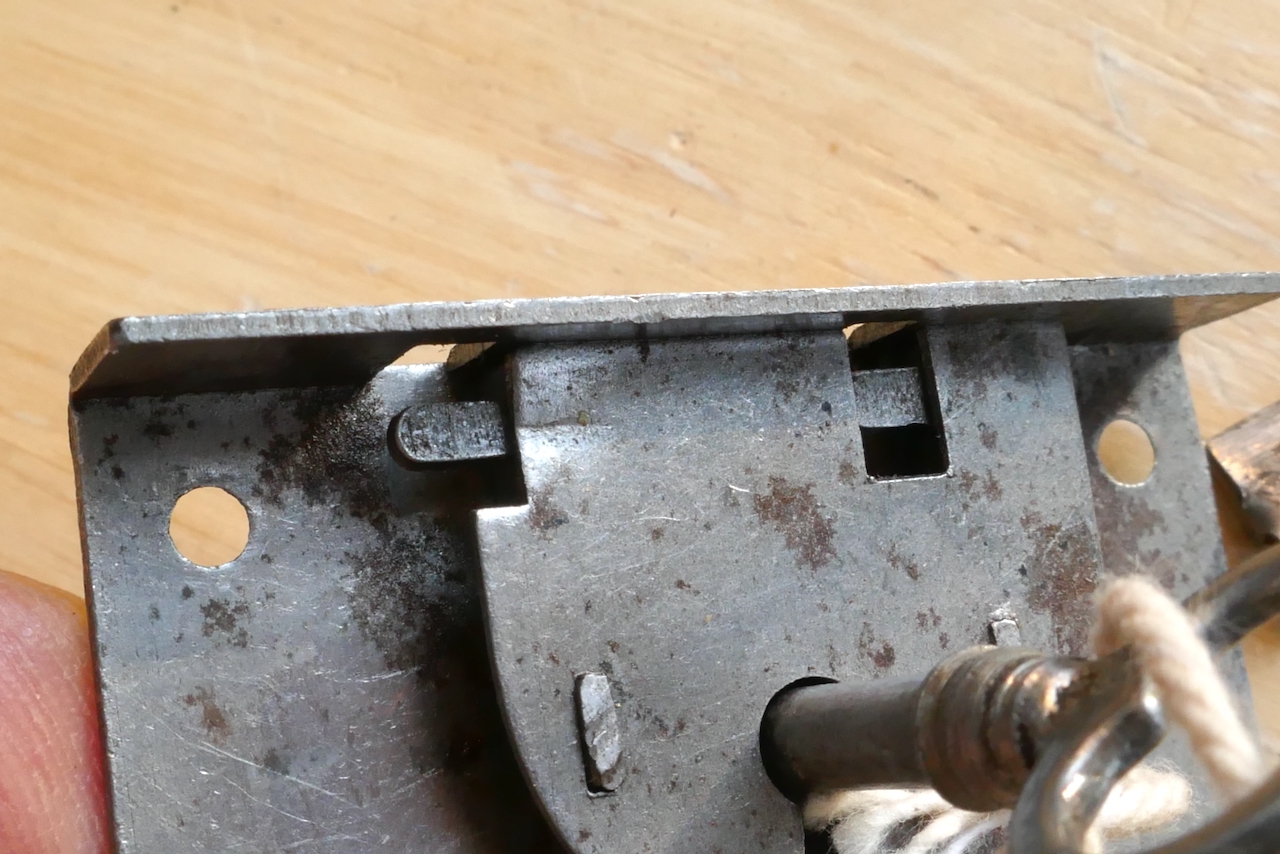
Instead of a tongue, the boss plate features one or two protruding elements known as bosses. These bosses are either grooved or have a central hole. When you close the lid, these bosses drop down into the body of the lock. When the key is turned, a vertical bolt (or latch) slides into the hole or groove of the boss, preventing the lid from being pried open.
The Shift from Steel to Brass
Historically, most utilitarian boxes used locks made of stamped steel. These were the workhorses of the 19th century, found on everything from tool chests to gun boxes. But as the need for locking transport boxes diminished, so did the manufacturers. Today, if you want that level of security and aesthetic, you usually have to look toward high-end brass.
To find these, I often turn to specialists who still honor these traditional designs, such as Horton Brasses in Connecticut or Vintage Hardware and Lighting (located in Port Townsend, Washington). These stores maintain an online presence that is a godsend for the period-accurate builder.
Visual Guide to Box Locks
Below are a few examples of what to look for when sourcing your own hardware:
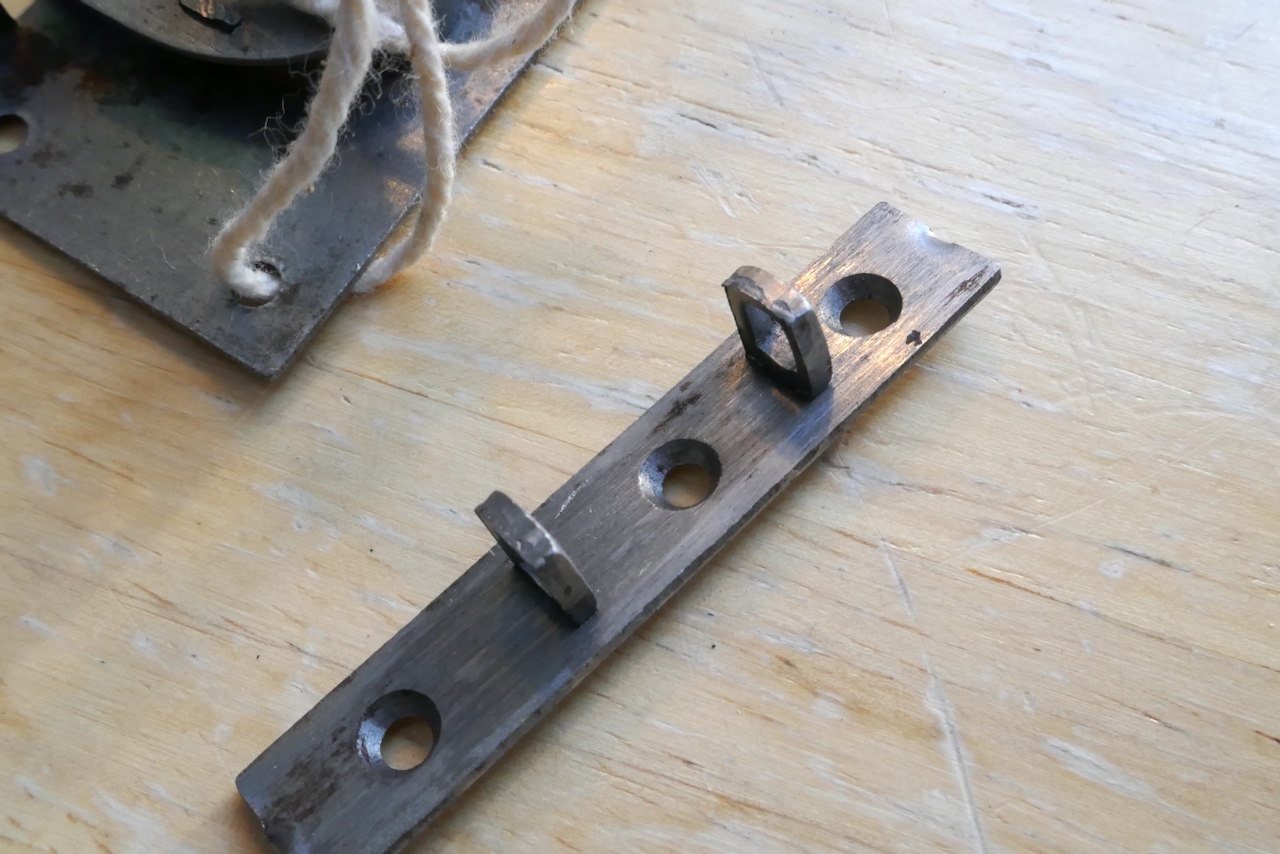
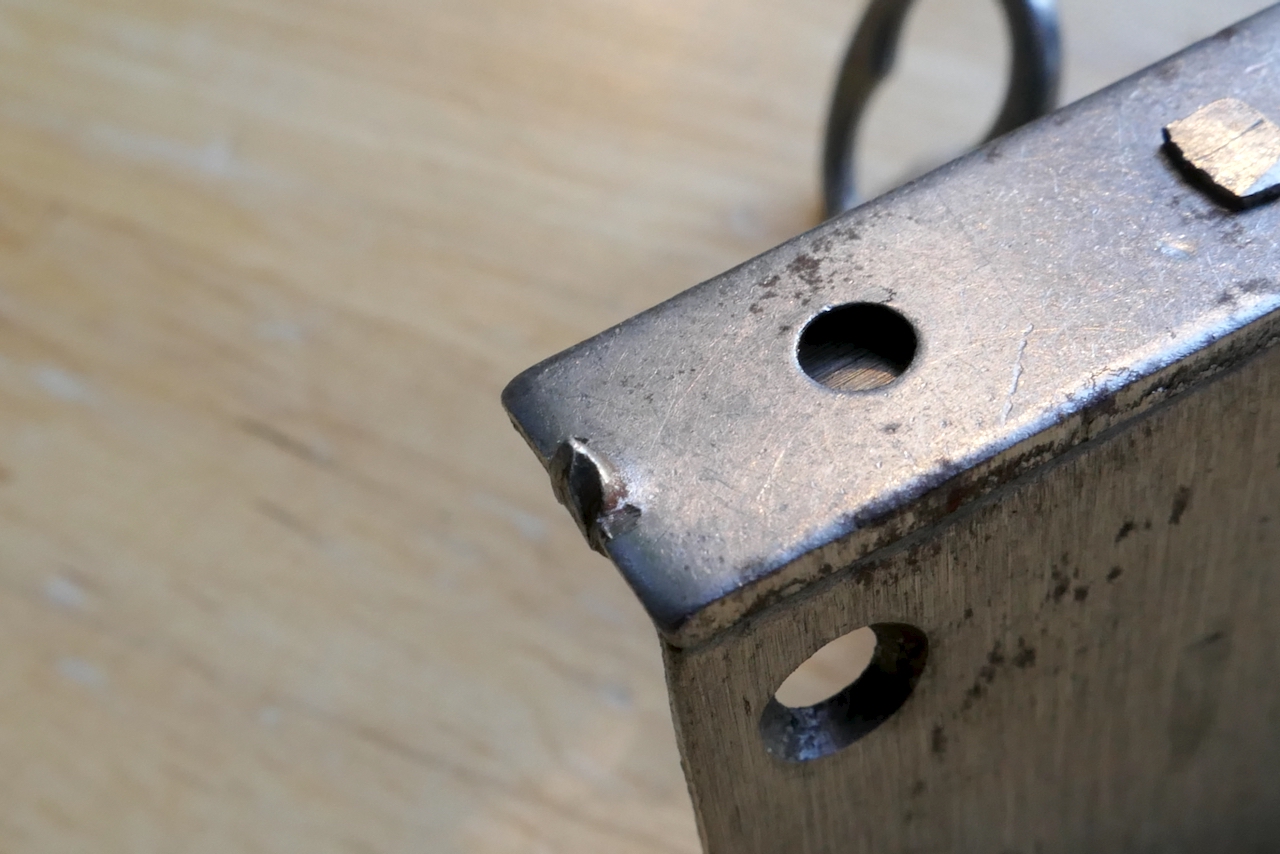
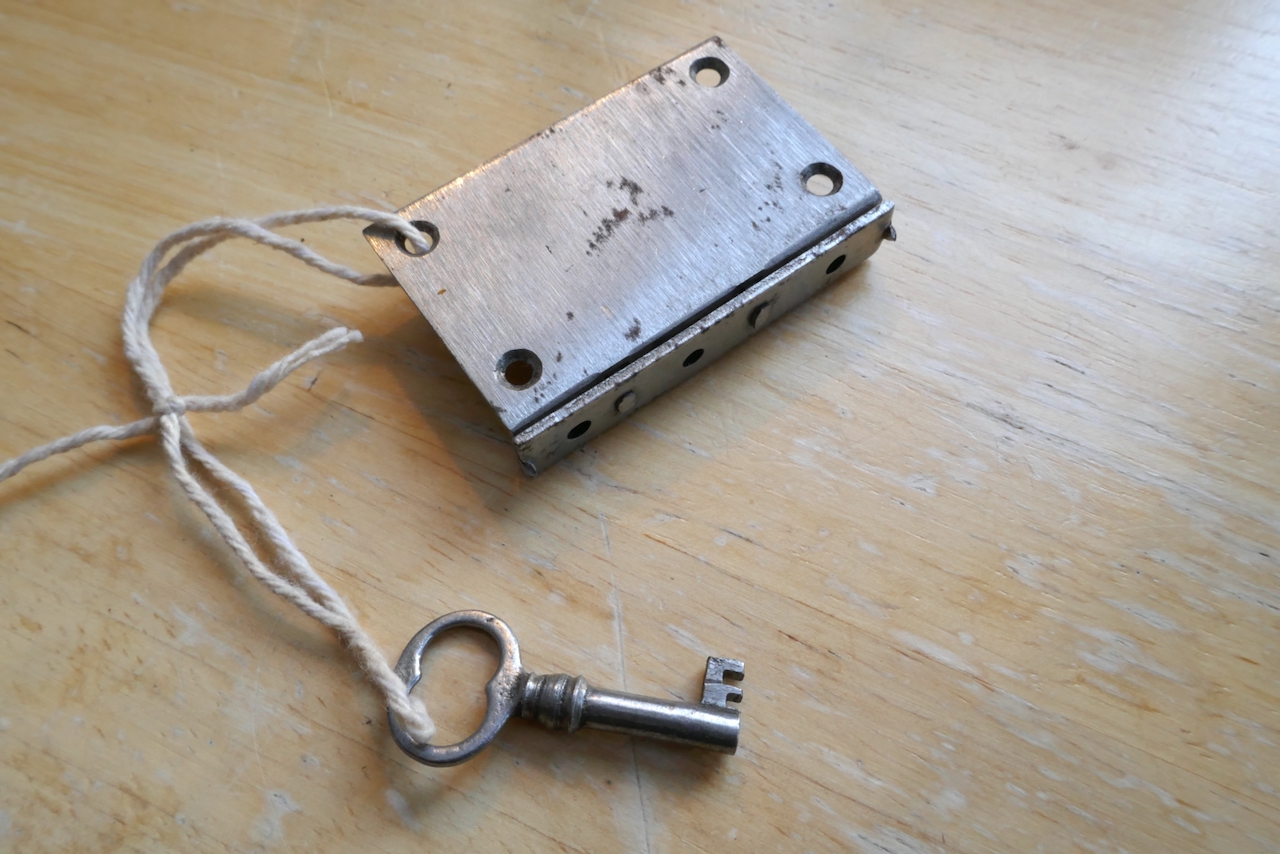
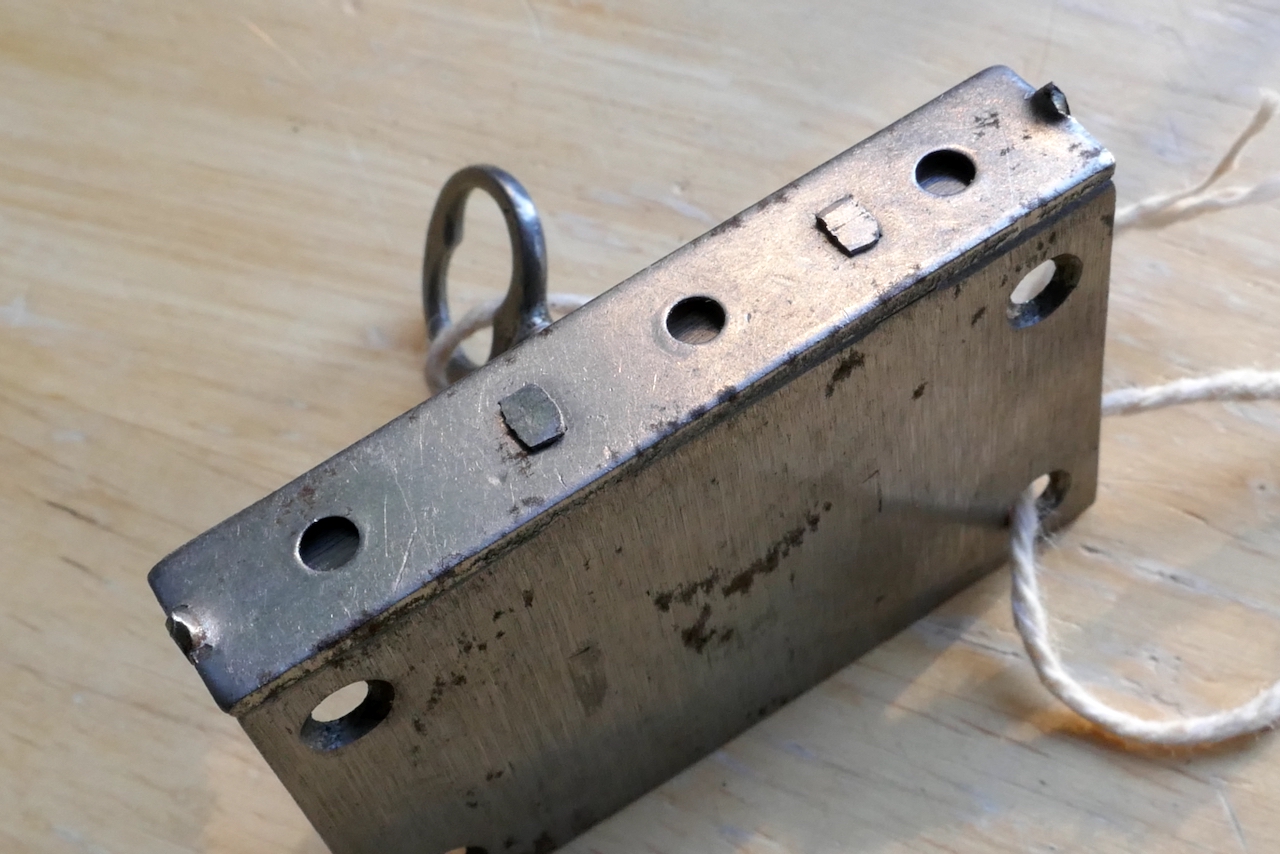
This is “New Old Stock” (NOS) in pristine condition. It’s a fully stamped steel box lock I found years ago in a small hardware store in Massachusetts. Sadly, this type of rugged, industrial-grade steel lock is no longer in production.
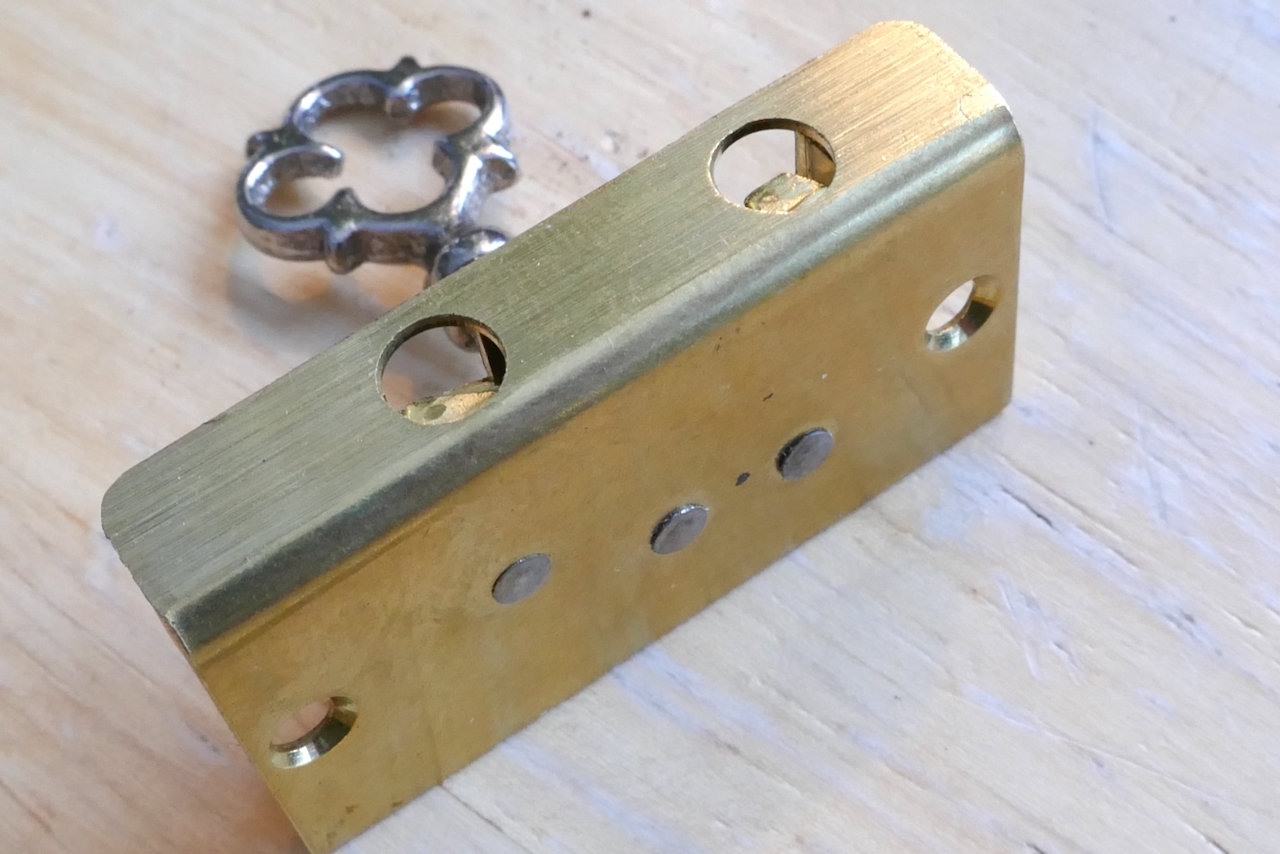
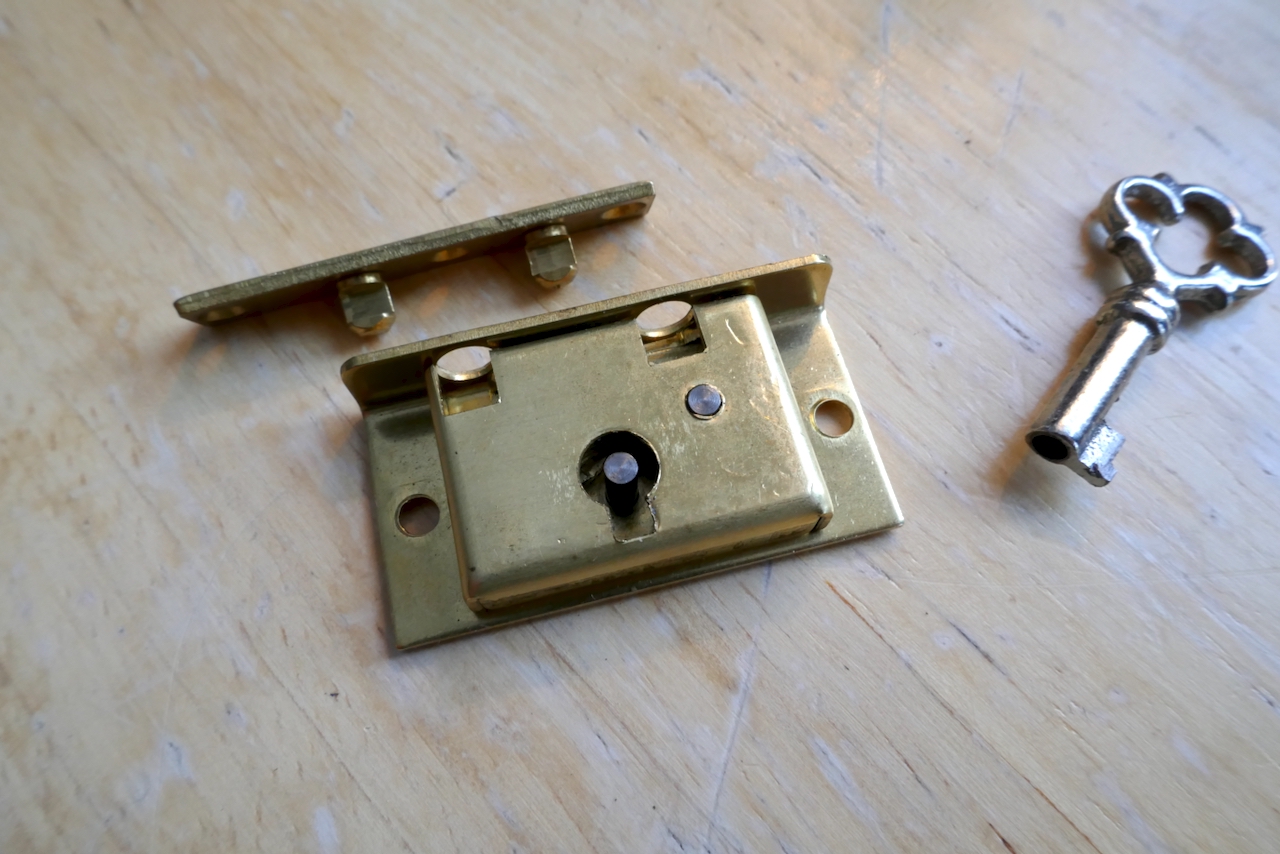
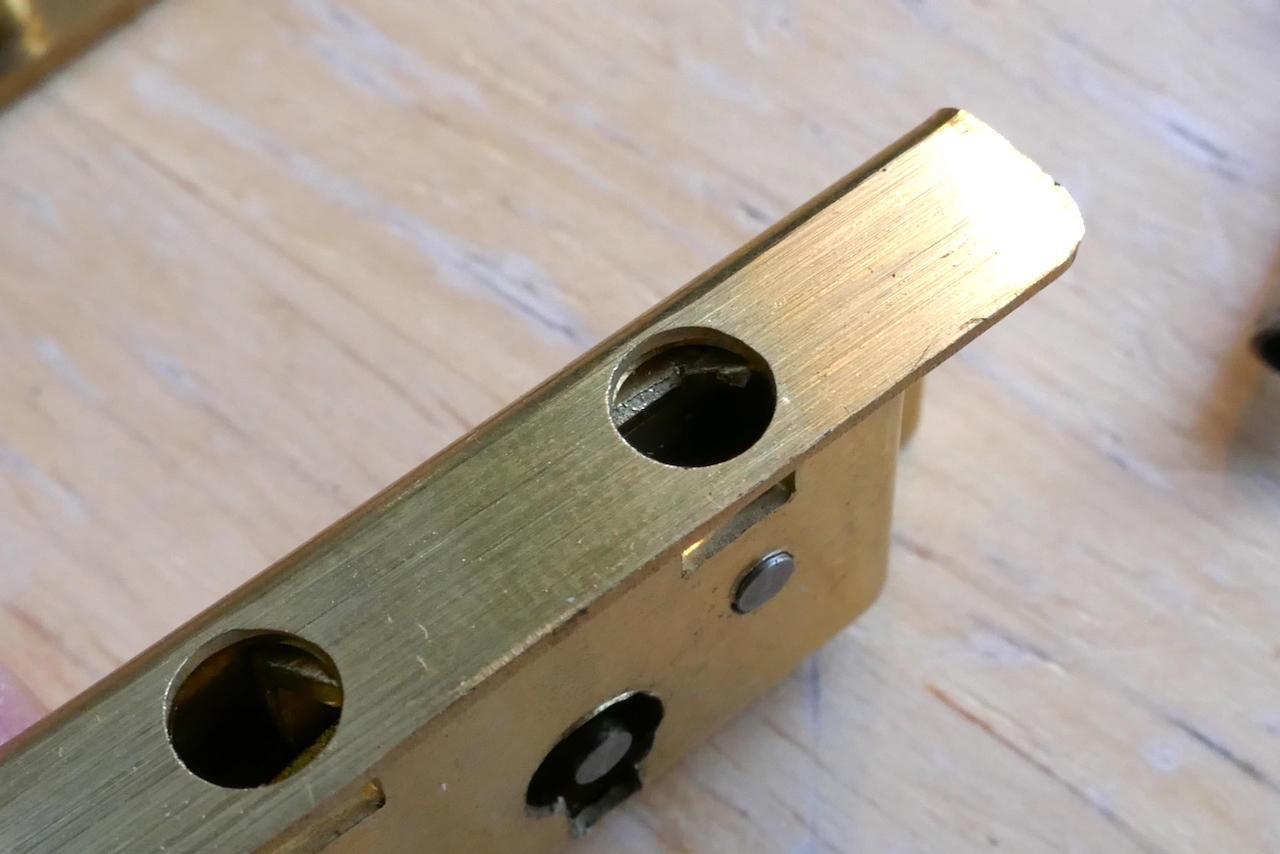
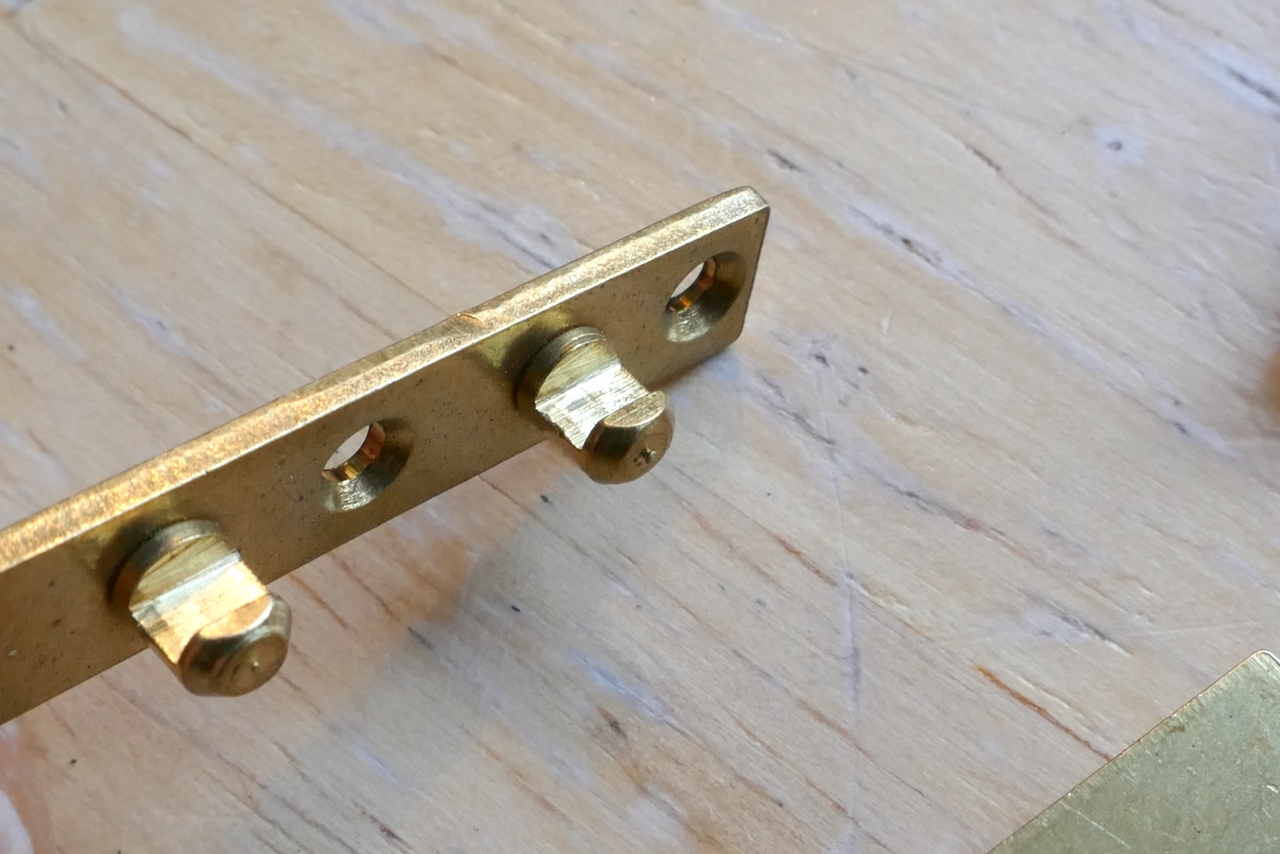
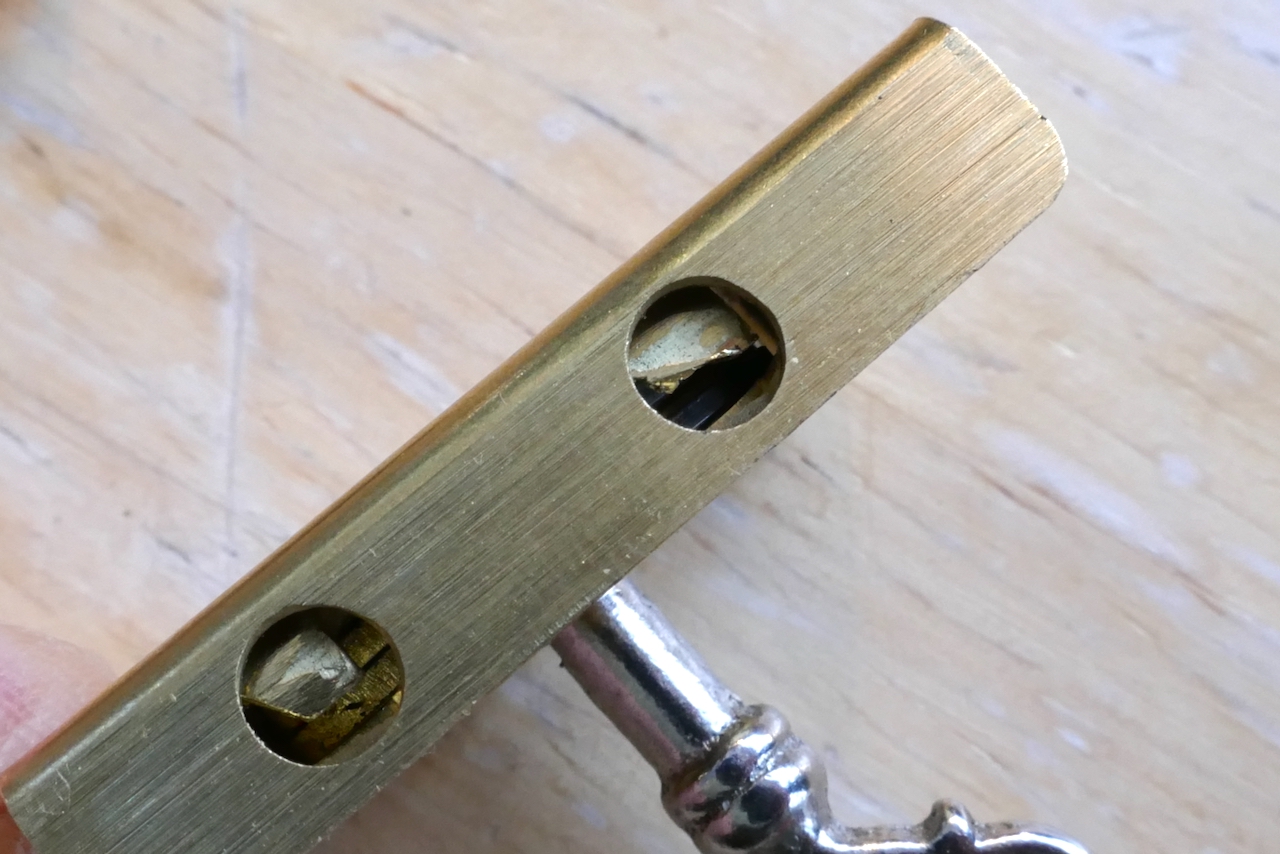
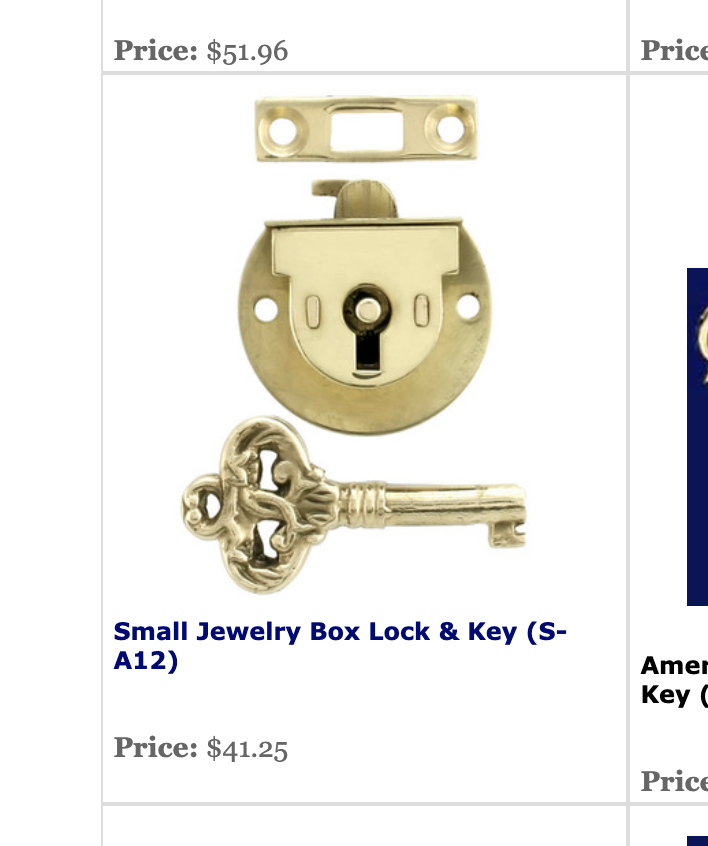
This beautiful English-made box lock, designed for a small jewelry box, is sold by Horton Brasses. At around $50, it isn’t cheap, but the quality of the casting and the smoothness of the bolt action are world-class.
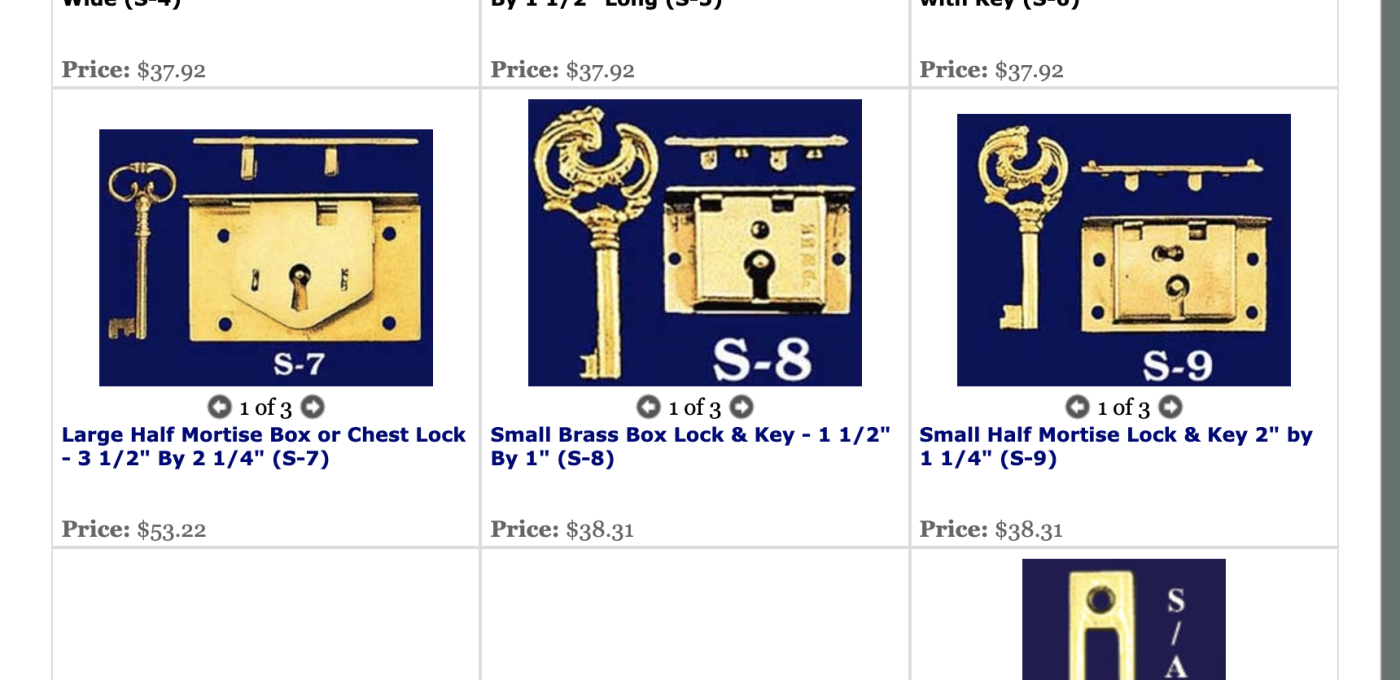
Sreenshots from the Vintage Hardware and Lighting store showing the variety of specialized locks they carry. These are prime examples of the kind of niche supplier you need to have in your bookmarks.
Installation and Further Reading
In a future post, I will walk you through the precise steps of installing the specific lock I chose for my current project. However, if you are working on a larger scale—such as a blanket chest or trunk—you’ll need a much more substantial version of this hardware. For those interested in the “heavier” side of this craft, be sure to check out my 2024 blog entry on Hope Chest Restoration, where I detail the mechanics of large-scale desk and chest locks.
Finding the right hardware is a challenge, but it is the difference between a “project” and an “heirloom.” Happy hunting.