We may receive a commission when you use our affiliate links. However, this does not impact our recommendations.
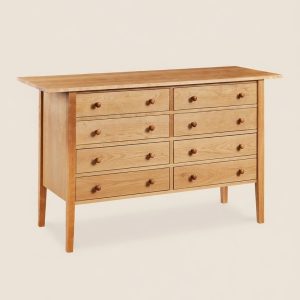
 The April 2013 cover project is a “City Sideboard” built by Mario Rodriguez of the Philadelphia Furniture Workshop. The sideboard, which is sized for smaller, contemporary spaces, is designed to introduce students to a traditional form of cabinetry but using modern materials. Thus, the build combines some typical approaches for a solid-wood project, such as web frames to house the drawers, with a plywood case. The goal, says Mario, is for students to learn how to make a well-built piece with some advanced construction techniques, but in a less intimidating size and with lighter-weight, stable materials. You could (as always) adjust the techniques to suit yourself (for example, attach the solid wood top to a plywood sub-top rather than to a web frame).
One of the “tricks” Mario teaches his students is how to square a case during assembly – a shop-made “scissors brace.” You can read about it below. The April 2013 issue is available at ShopWoodworking.com.

When gluing/assembling a cabinet, we all strive for perfectly square. But sometimes, because of excessive clamp pressure or maybe a misplaced clamp, the assembly needs a little help. The quickest way (back) to square is a “scissor brace.”
Step 1: after measuring the assembly diagonally, from corner-to-corner, identify the shorter of the two (measurements).
Step 2: from the scrap bin, collect two rips (of plywood) that are approximately 1-1/2″ wide. The length of each piece should be approximately half the diagonal measurement of your assembly, plus 8″.

Cut flats on the ends for a solid fit to the case sides.
Step 3: Cut flats on the end of each piece so that they better “sit” into a corner. These cuts don’t have to be a perfect fit; close will do.
Step 4: Set the pointed end of each piece in opposite corners of the shorter corner-to-corner dimension. Overlapping the pieces in the middle and clamp them together.

When the case is square, apply a second clamp to the brace to hold it in place while the assembly dries.
Step 5: Now push on the ends of each piece to spread the scissor brace apart until you have achieved square or equal corner-to-corner dimensions. Apply a second clamp to fix the brace’s position. That’s it!
— Mario Rodriguez
Philadelphia Furniture Workshop