We may receive a commission when you use our affiliate links. However, this does not impact our recommendations.
Masts, Booms and Yards
After my students finish shaping the hull, they move on to thorough sanding—working through a progression of sandpapers until they reach a smooth finish with 220 grit.
Part 1 • Part 2 • Part 3 • Part 5
At this point, we consult our historical boat book to study how masts, booms, and in some cases yards were traditionally connected to the hull. Each student draws a layout showing the placement of their boat’s mast. Once that’s complete, we gather materials to construct the mast and the horizontal elements—usually yards or booms.
We typically use dowels of different diameters for this. Thicker dowels become the masts; thinner ones serve as booms or yards.
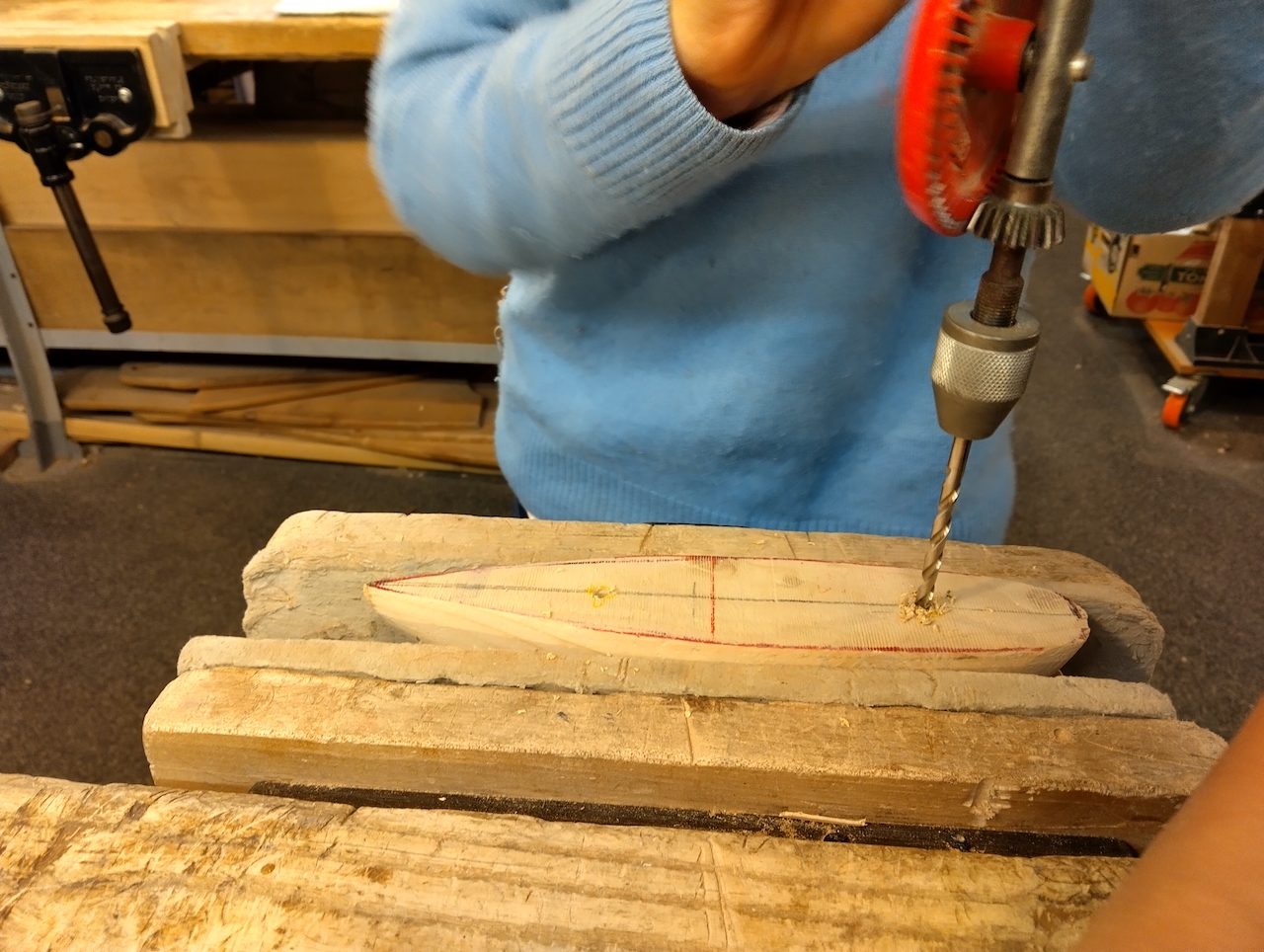
The connection between the mast and the boat is straightforward: we drill a hole into the hull—about half an inch to three-quarters of an inch deep—then glue the mast in place. But connecting the yards or booms to the mast takes more finesse. I explain to my students that these parts aren’t static—they pivot with the wind and the sail, and that movement needs to be accounted for.
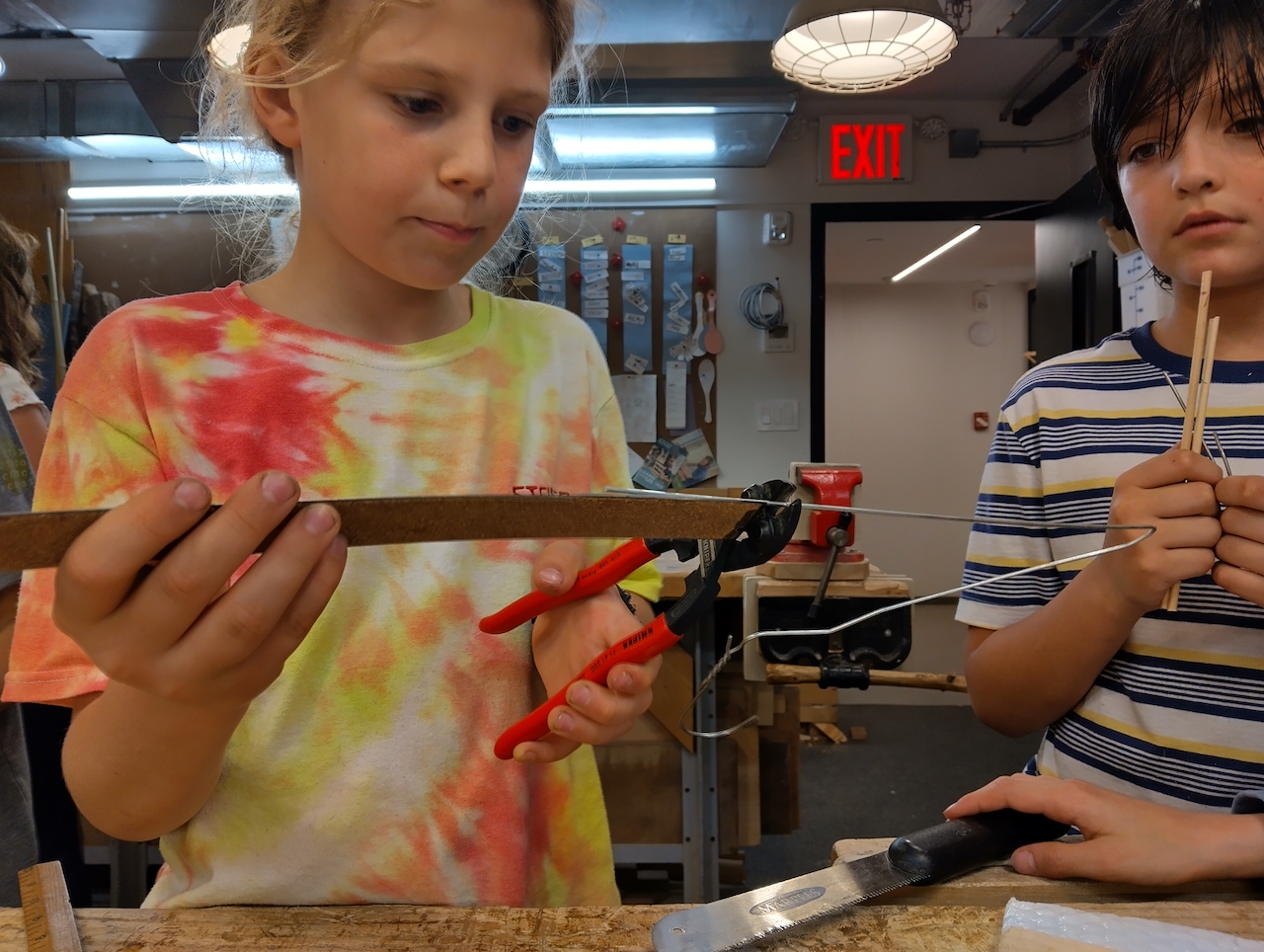
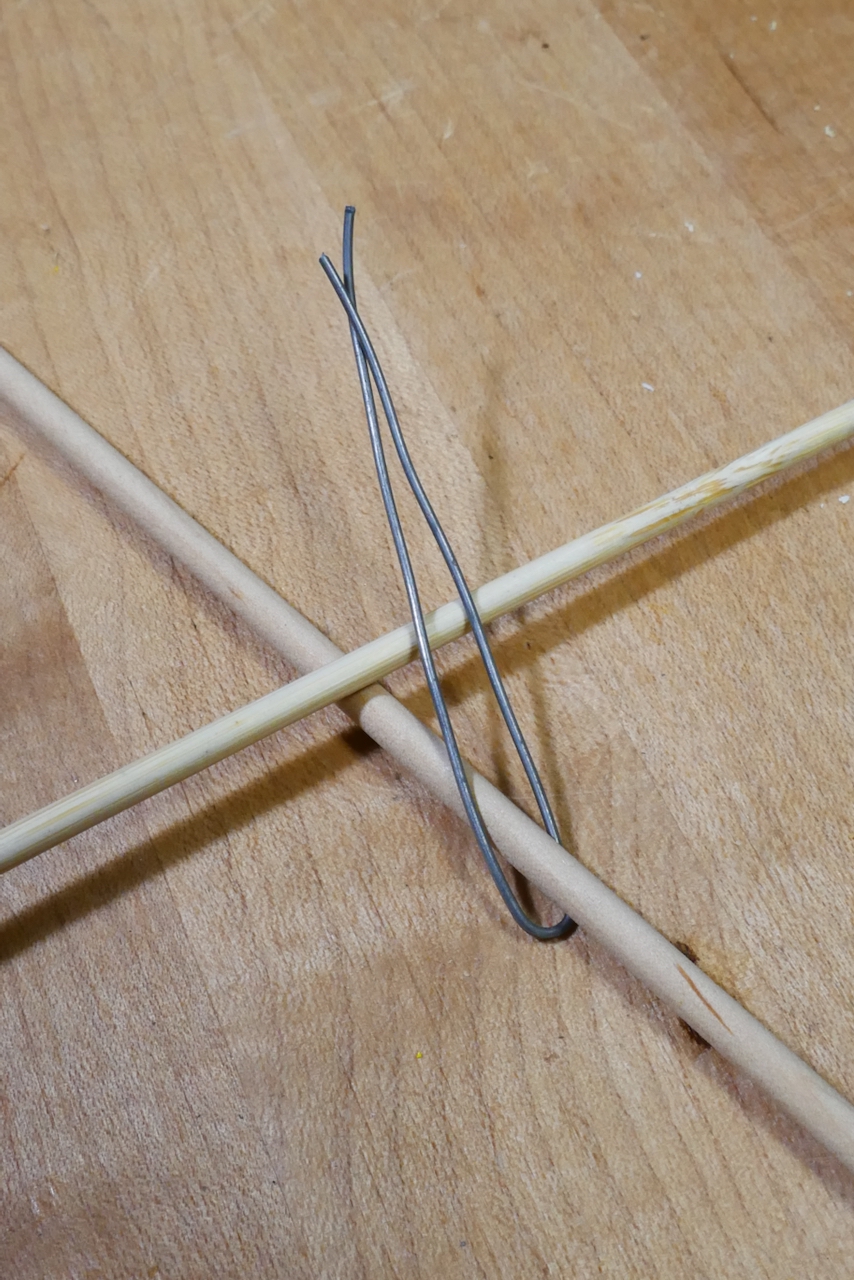
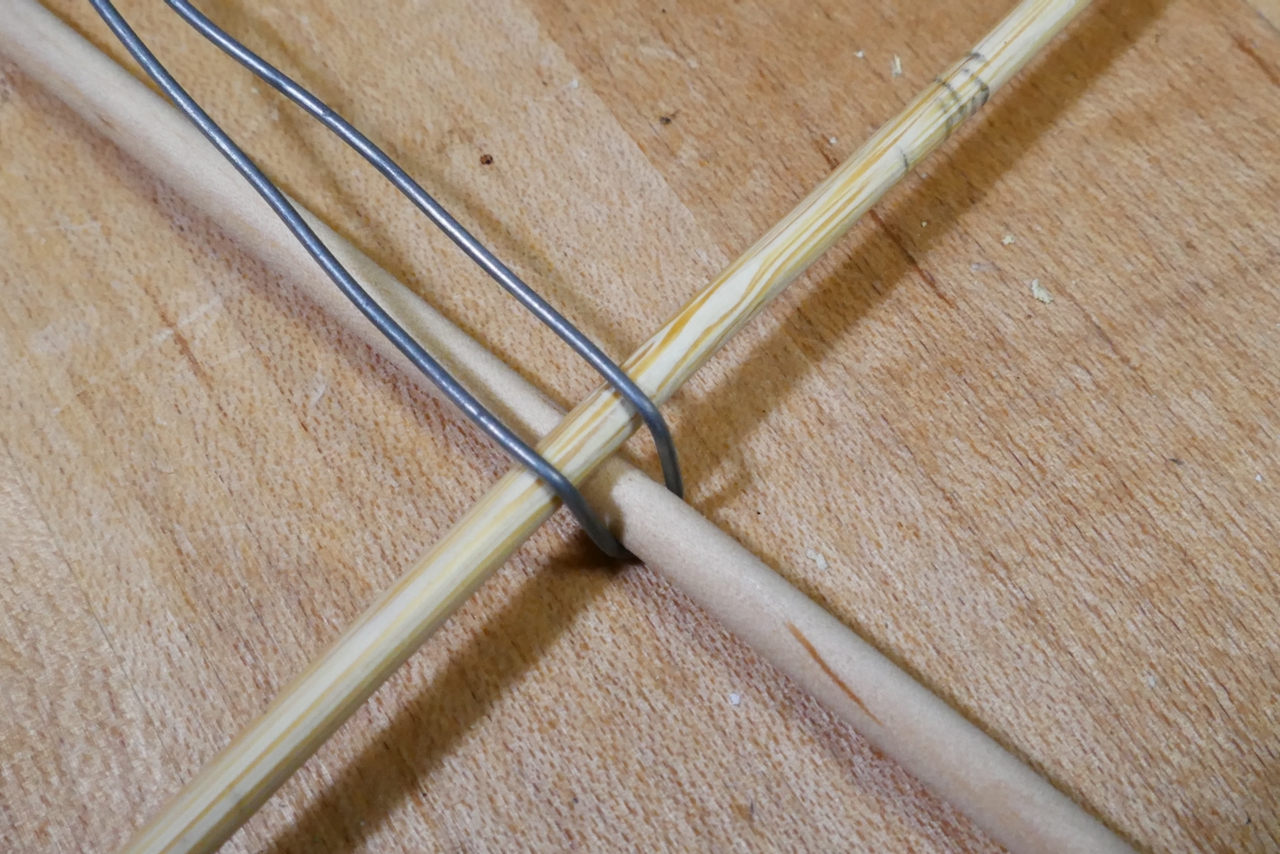
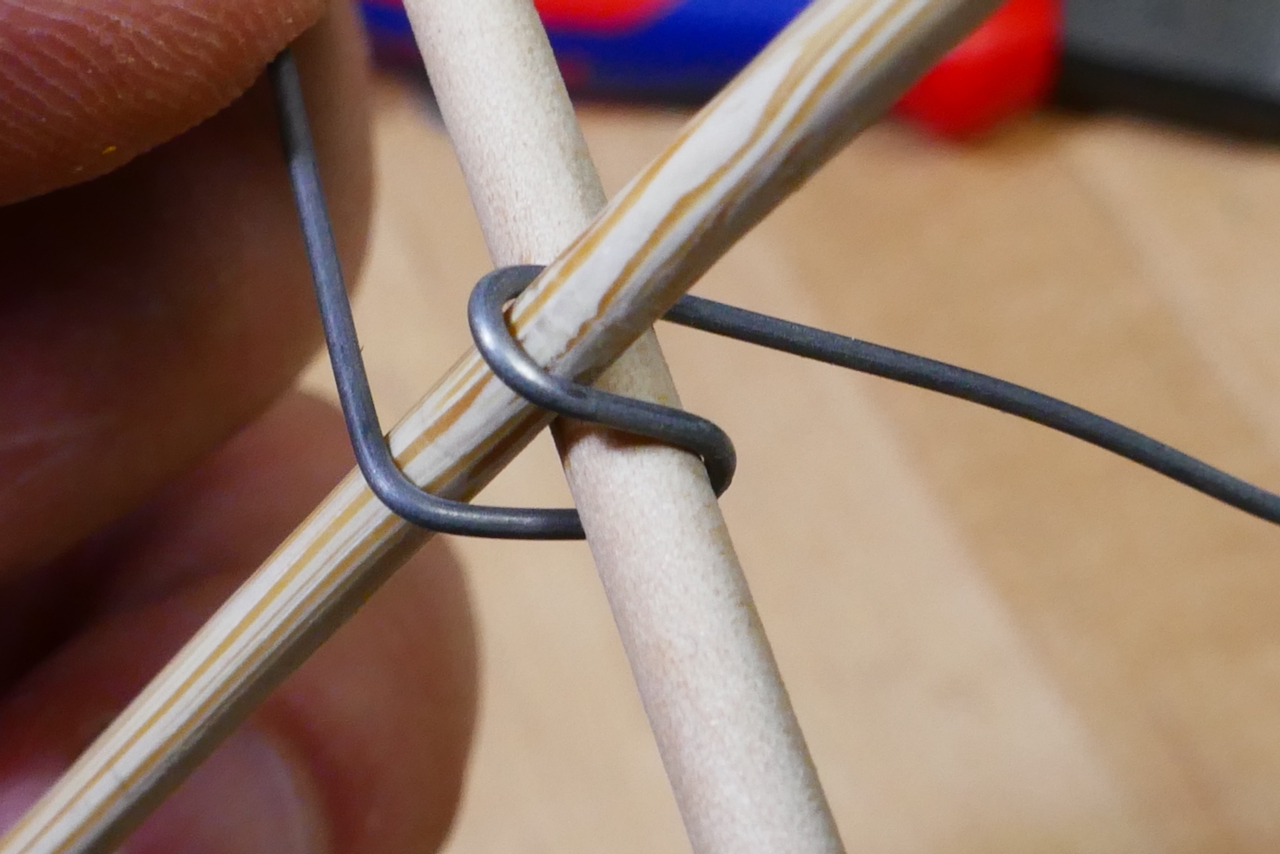
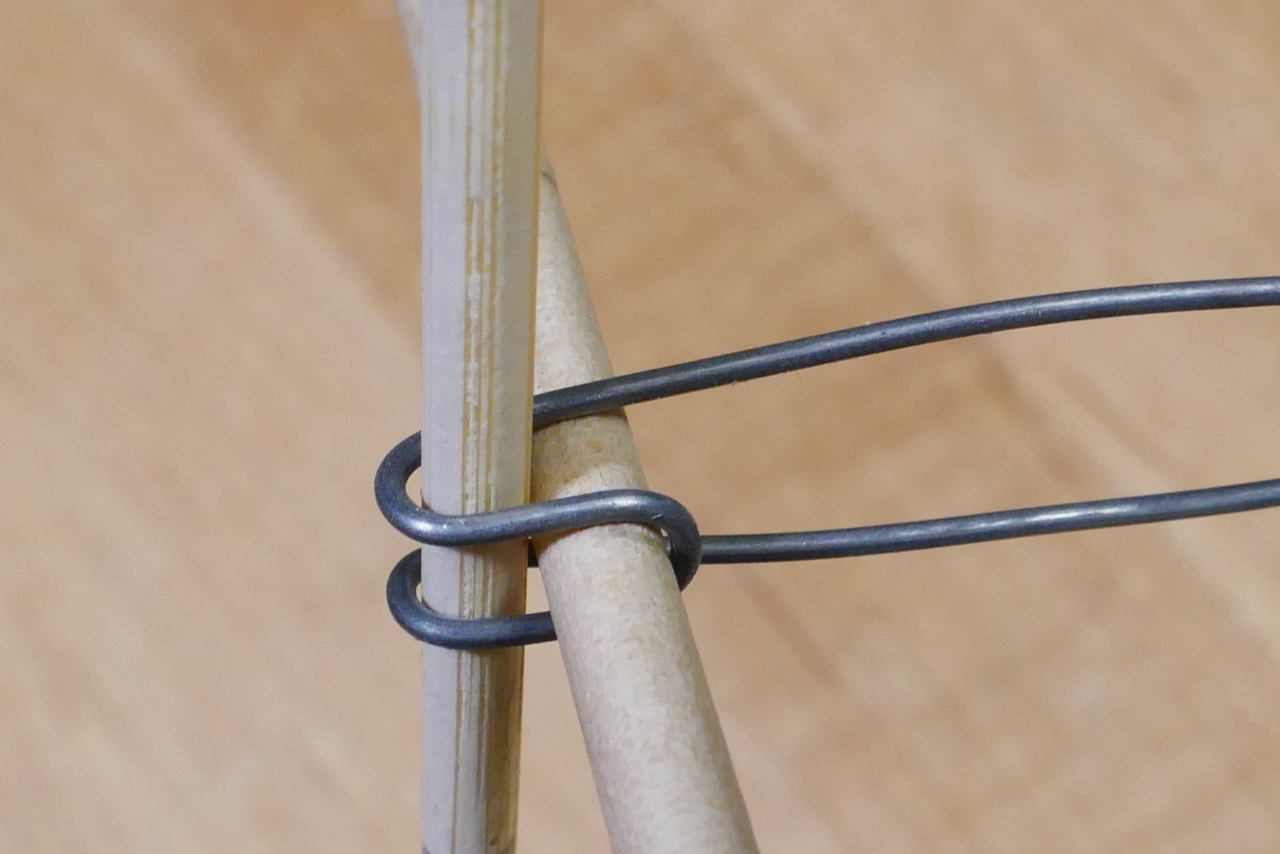
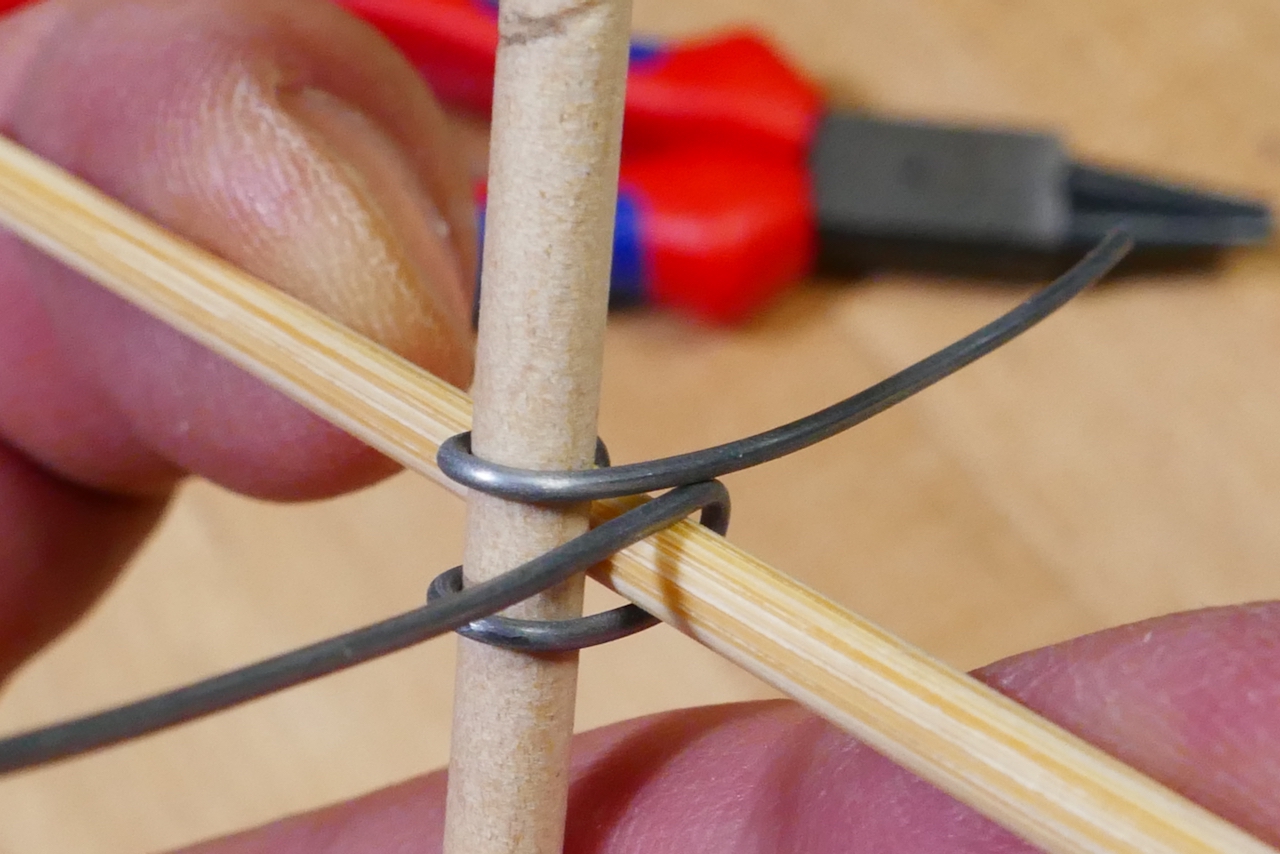
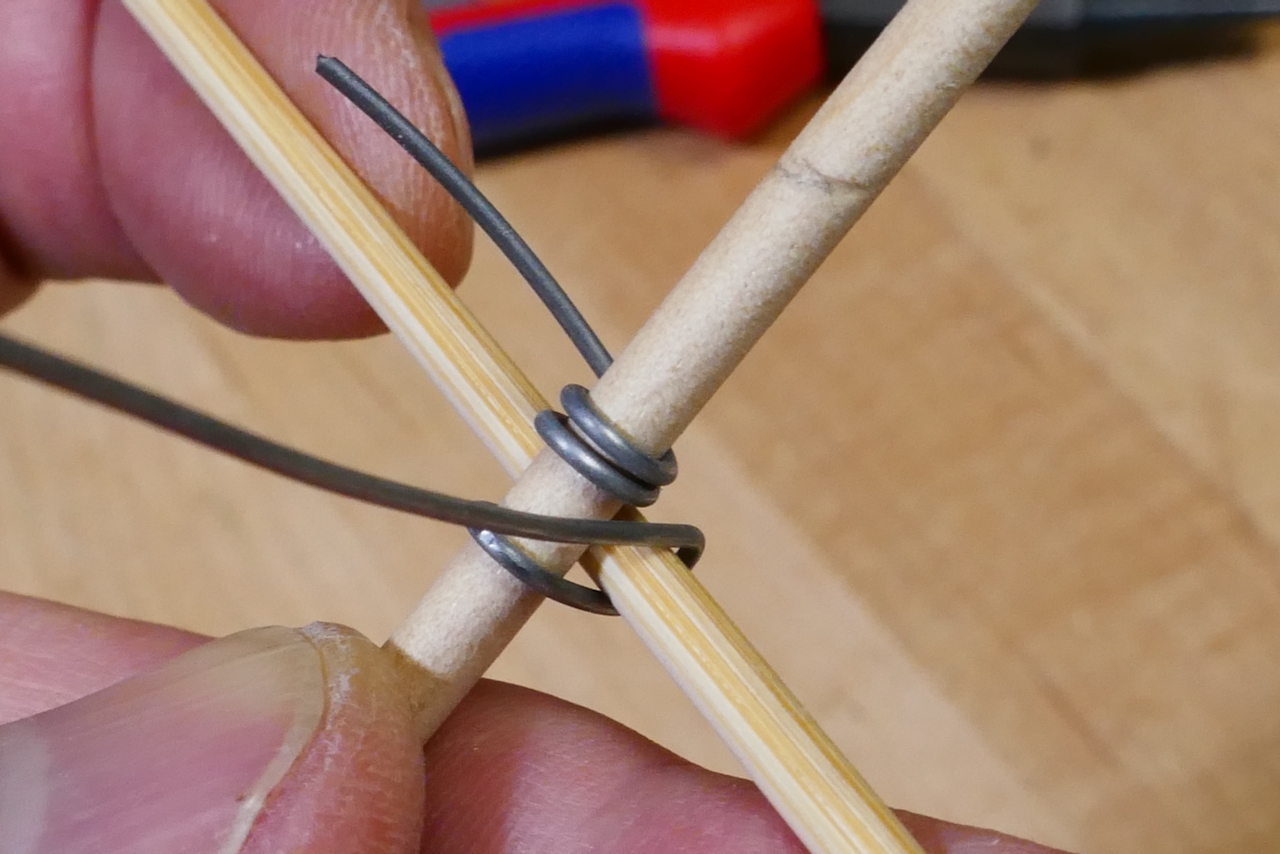
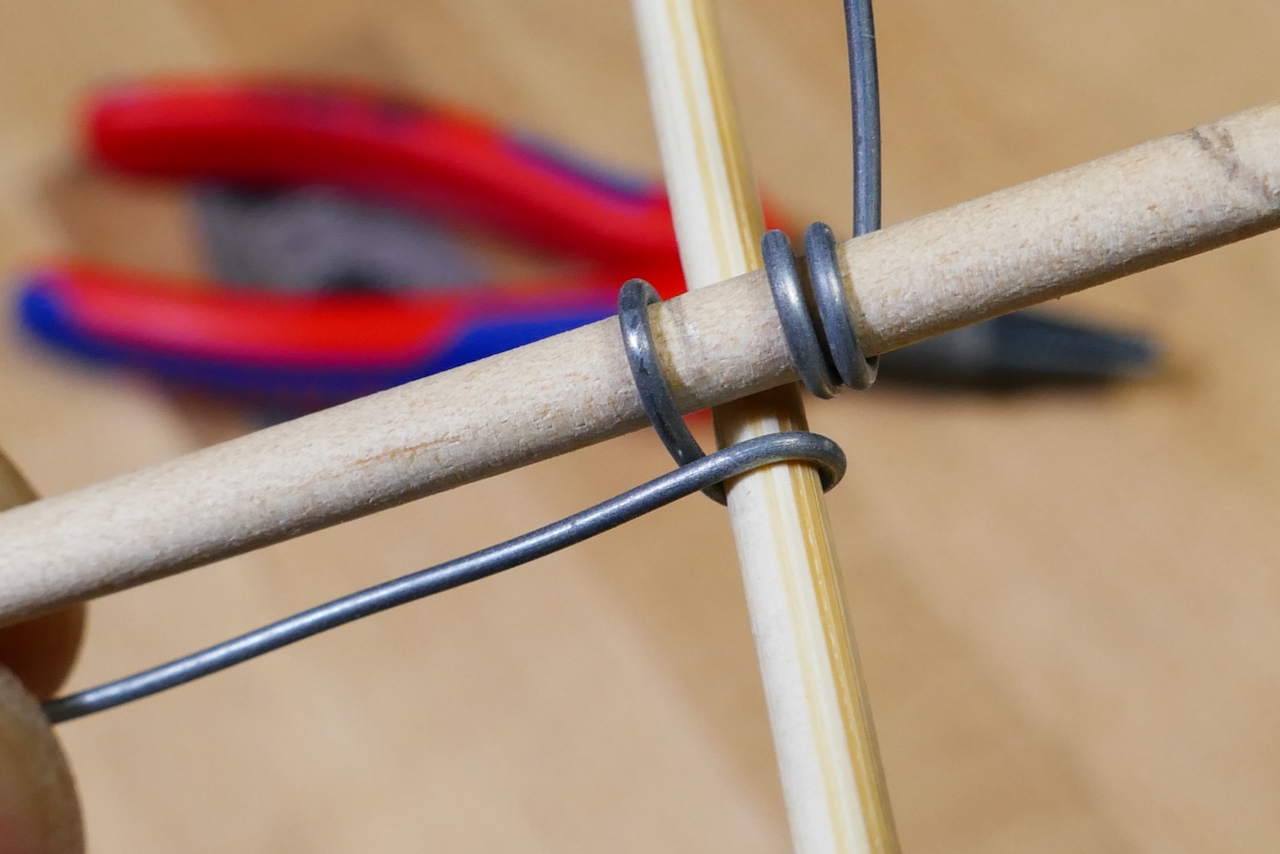
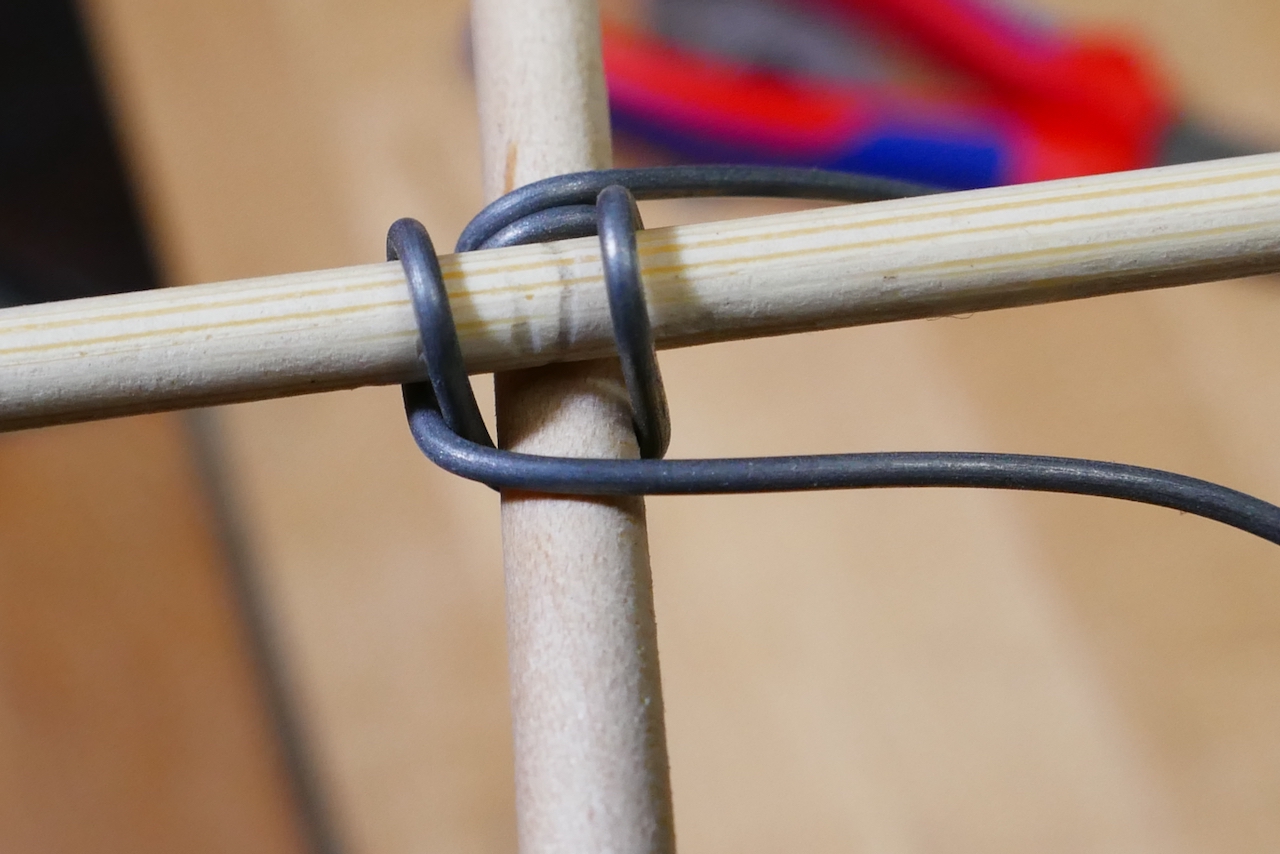
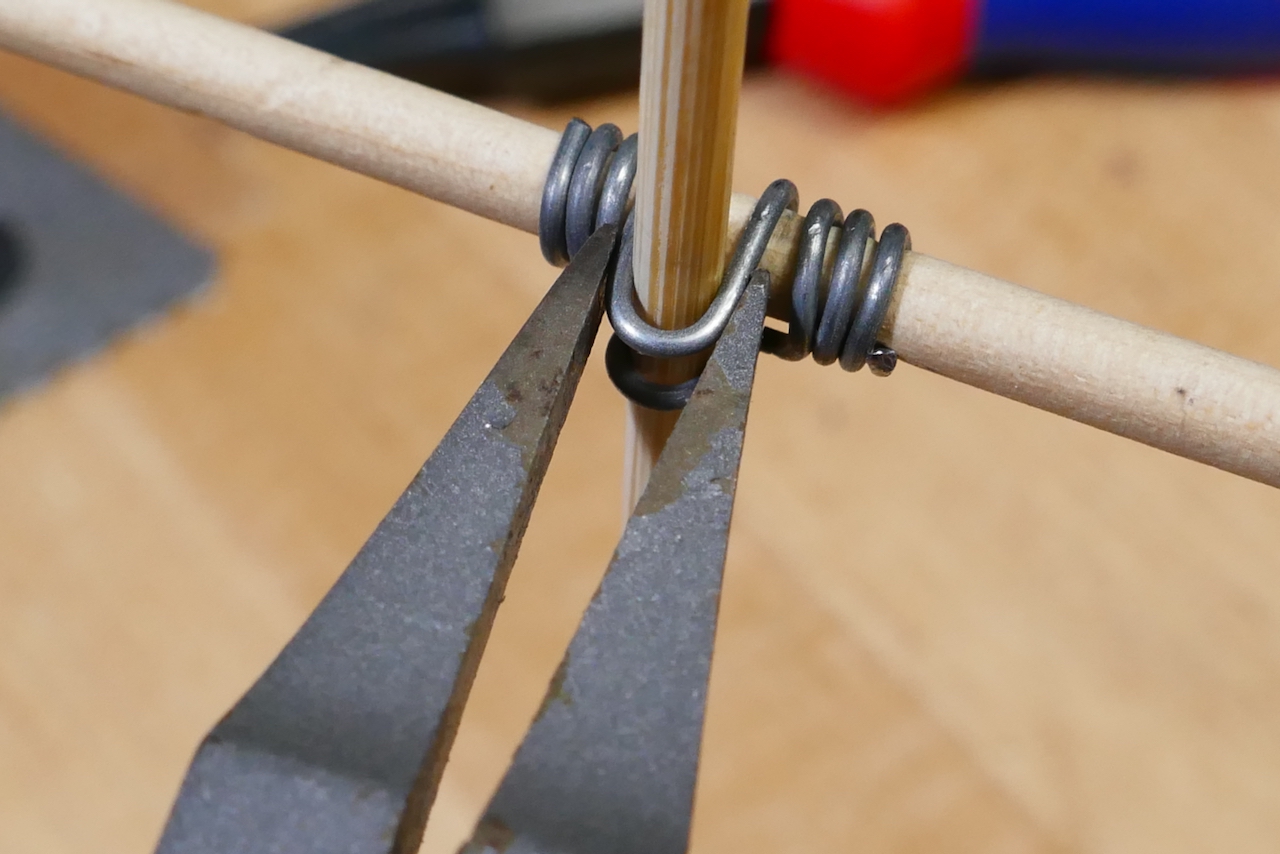
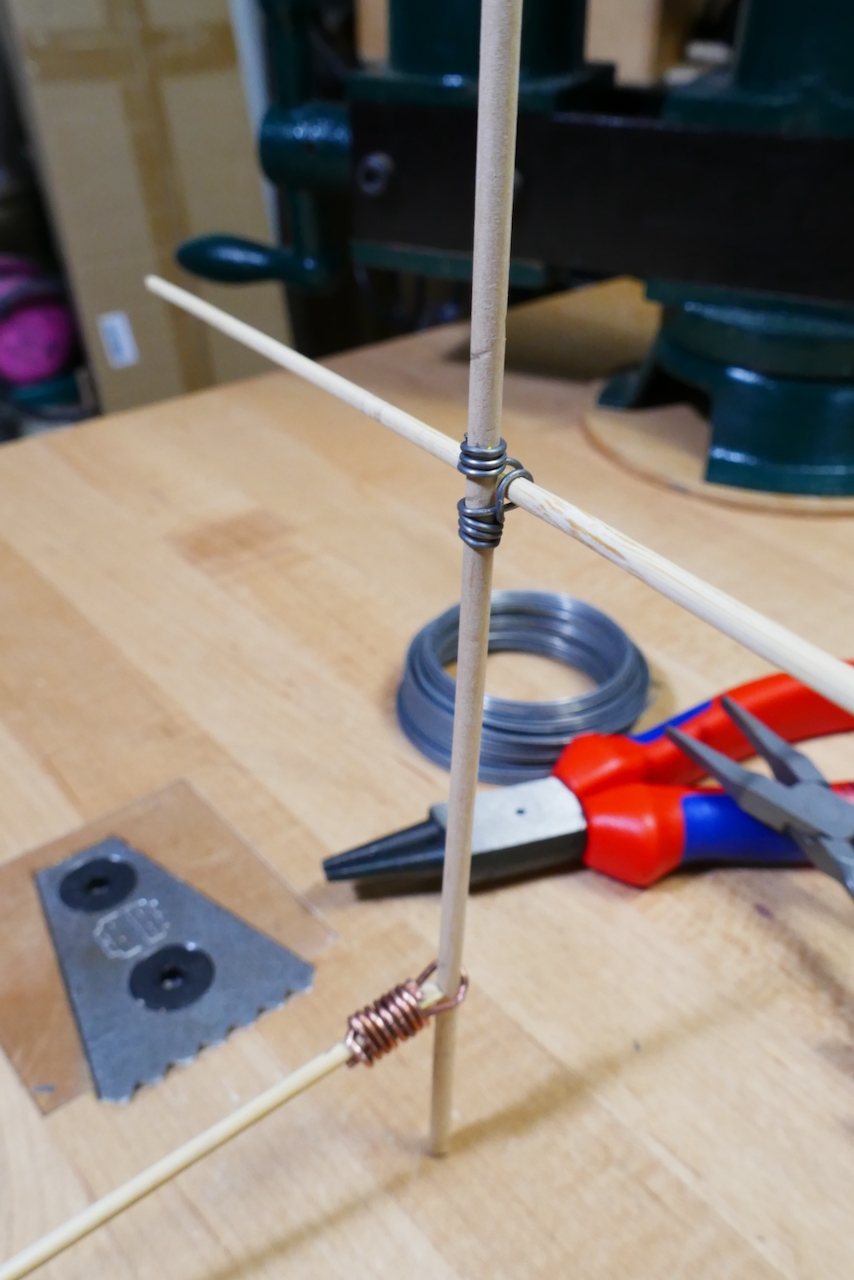
To achieve this, we use thin metal wire—either copper or steel. The basic method involves forming a wire loop, then wrapping the wire around the end of the boom. This creates a U-shape that hugs the mast and allows the boom to pivot. It’s a technique I teach each student, and it’s surprisingly sturdy.
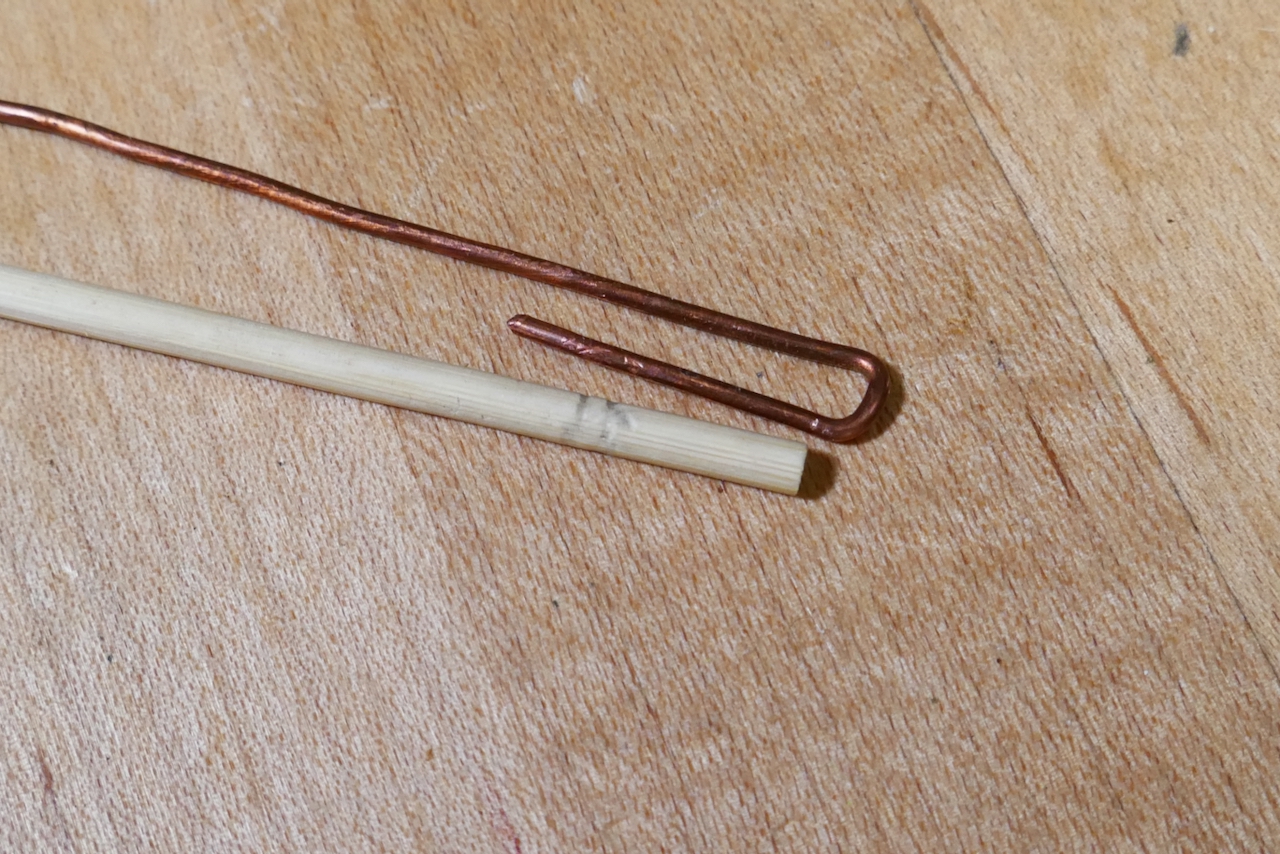
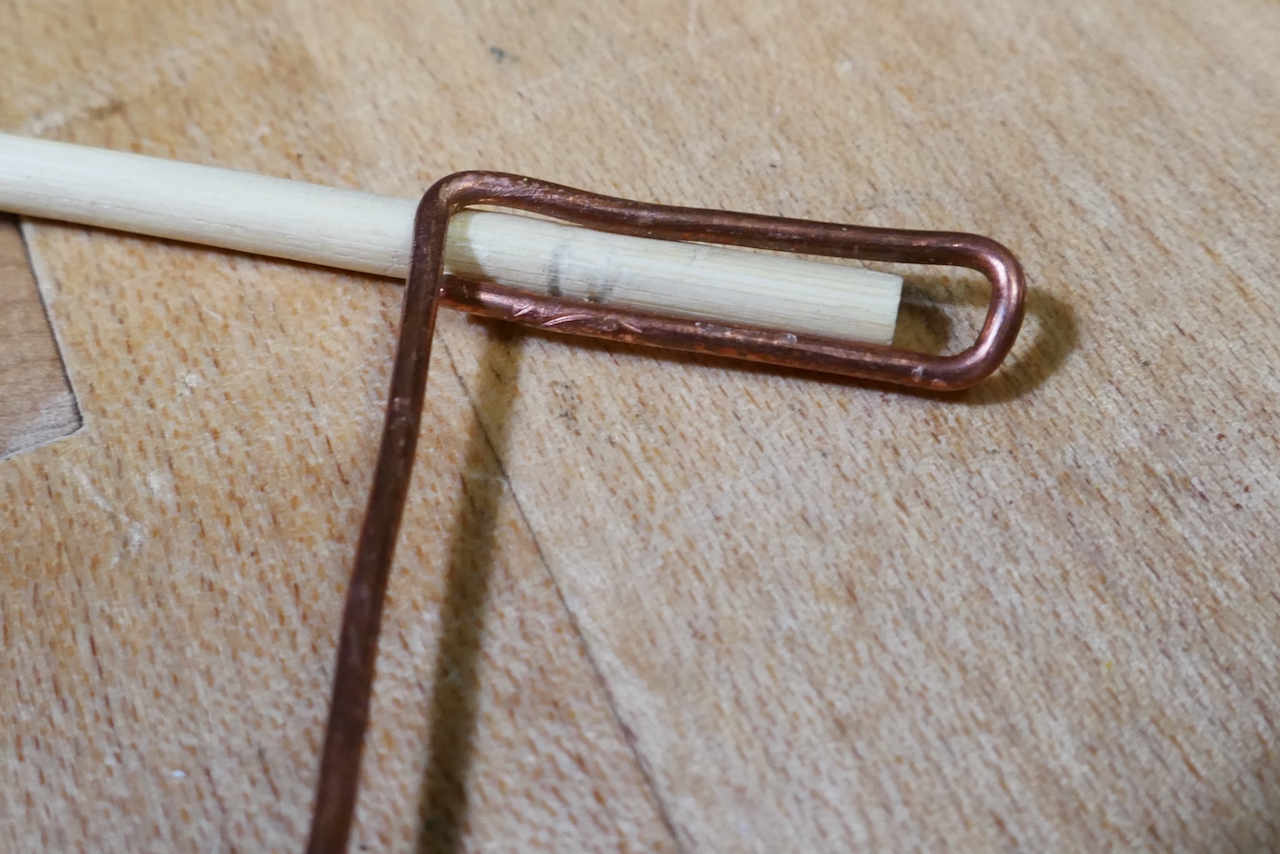
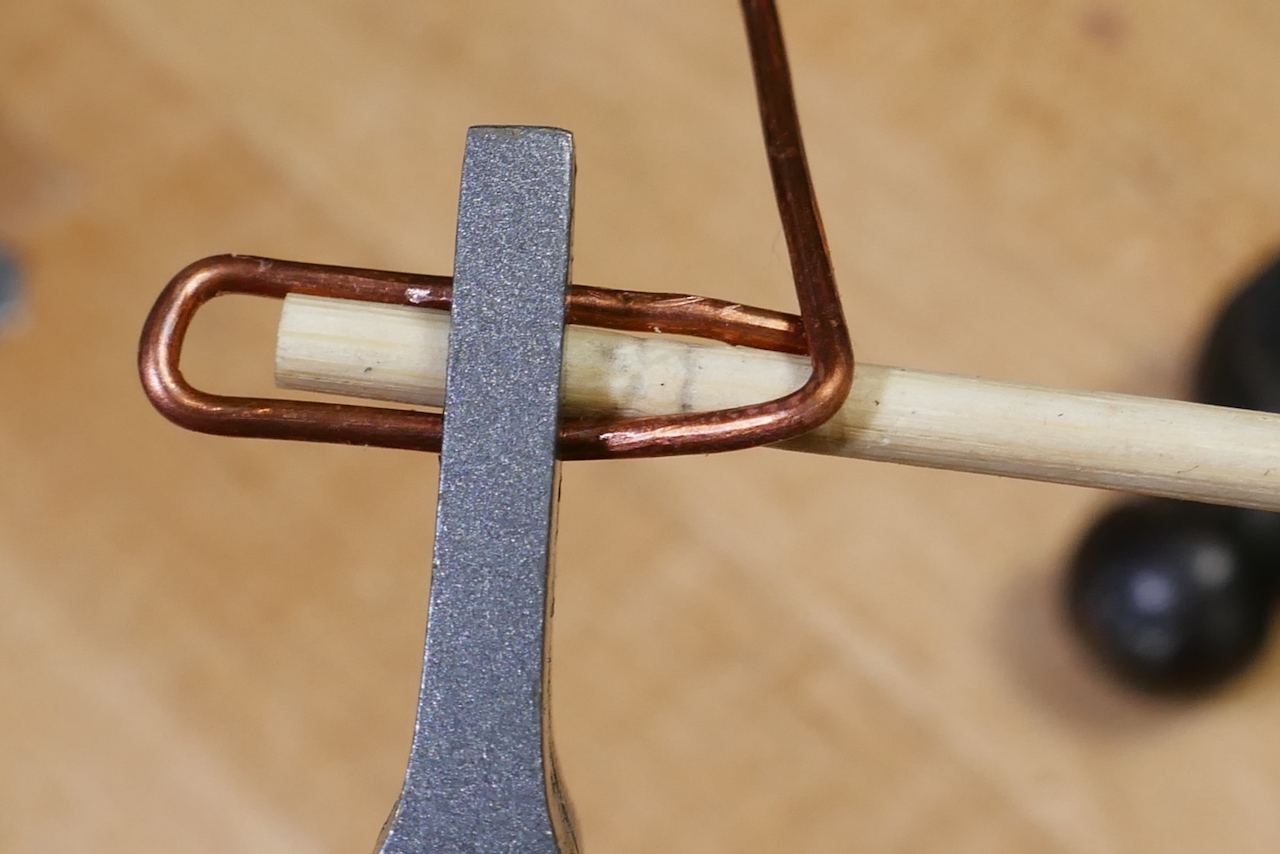
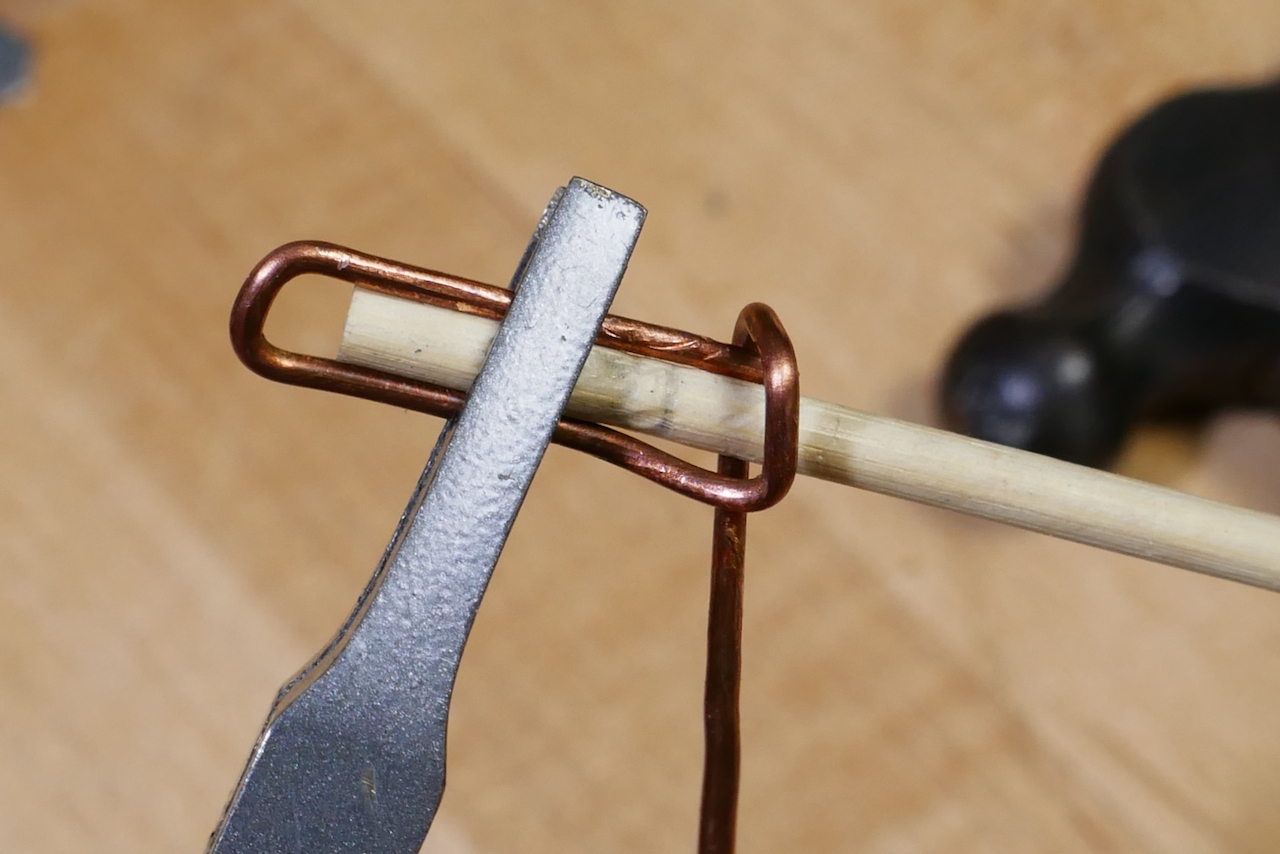
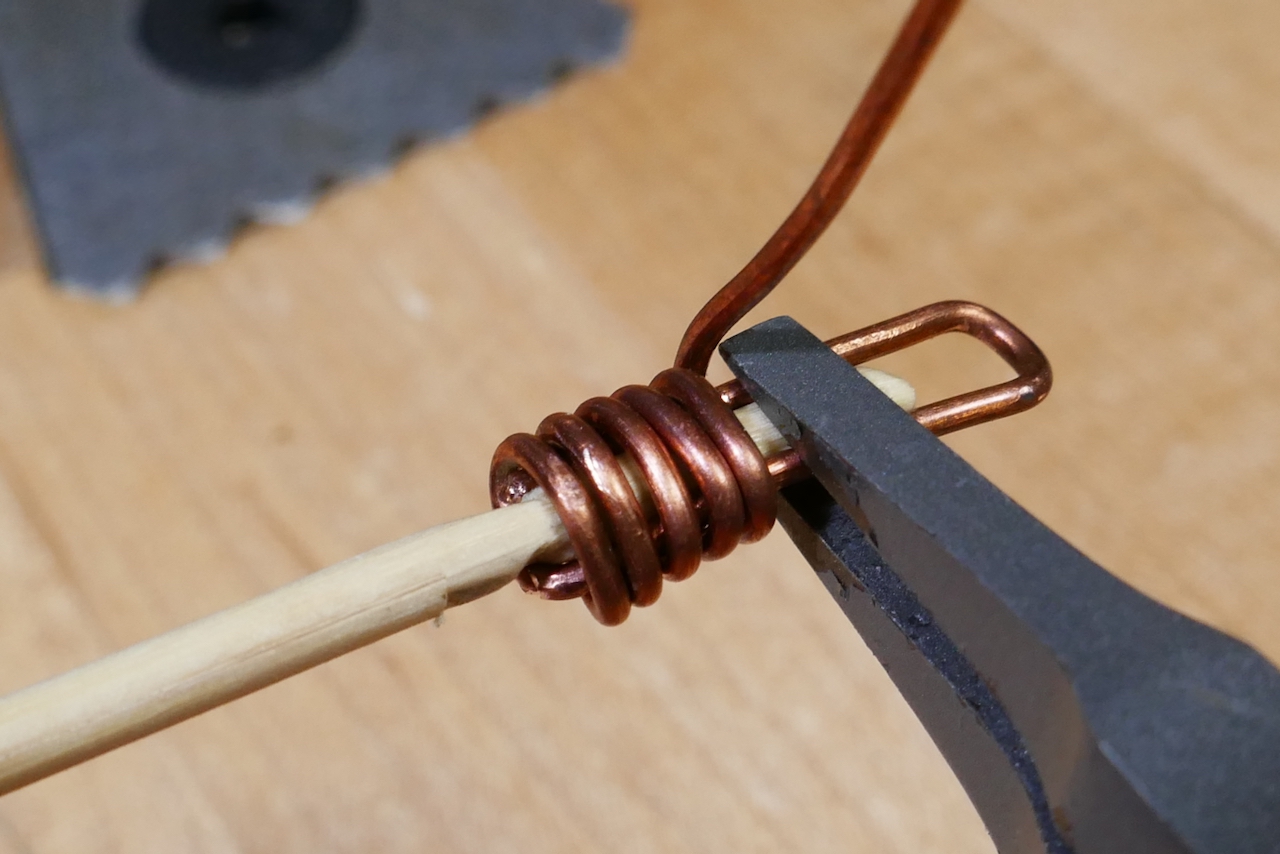
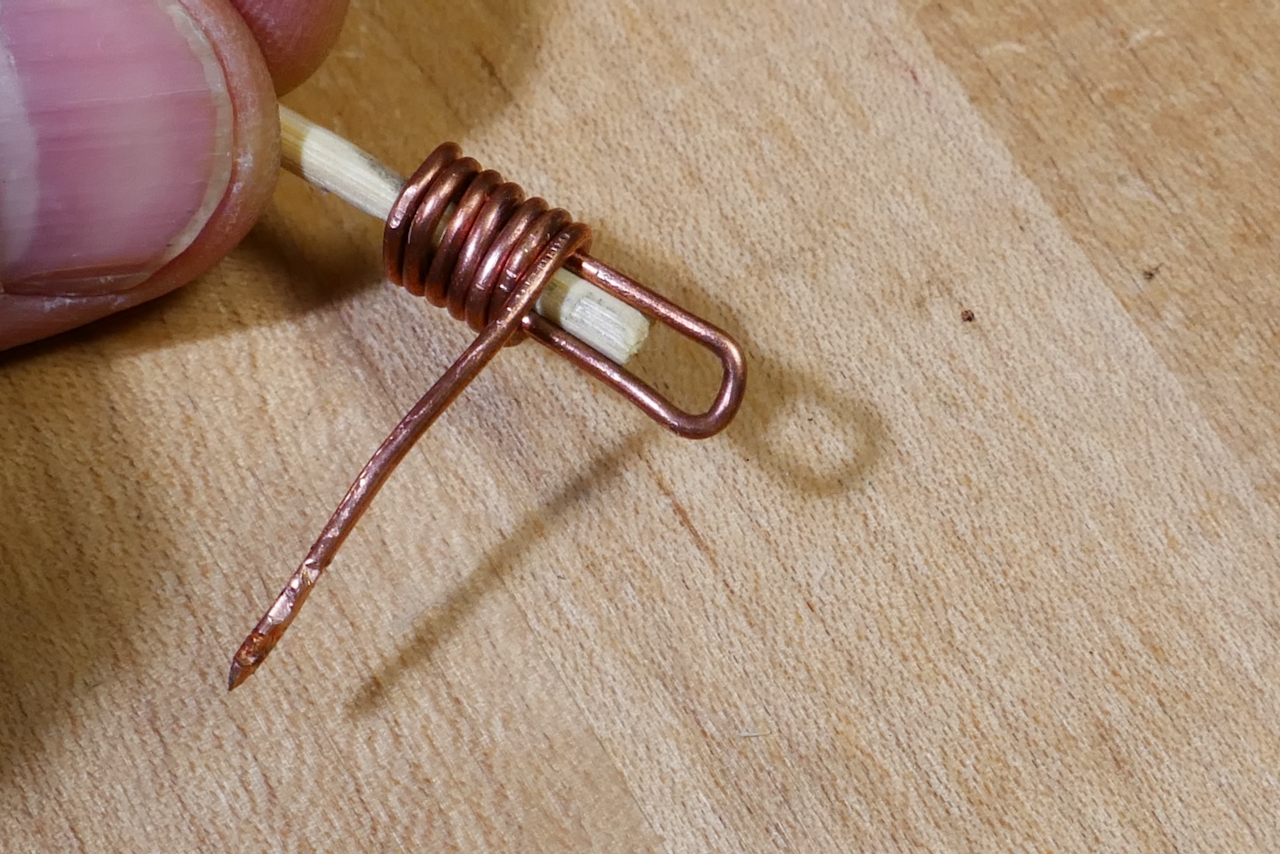
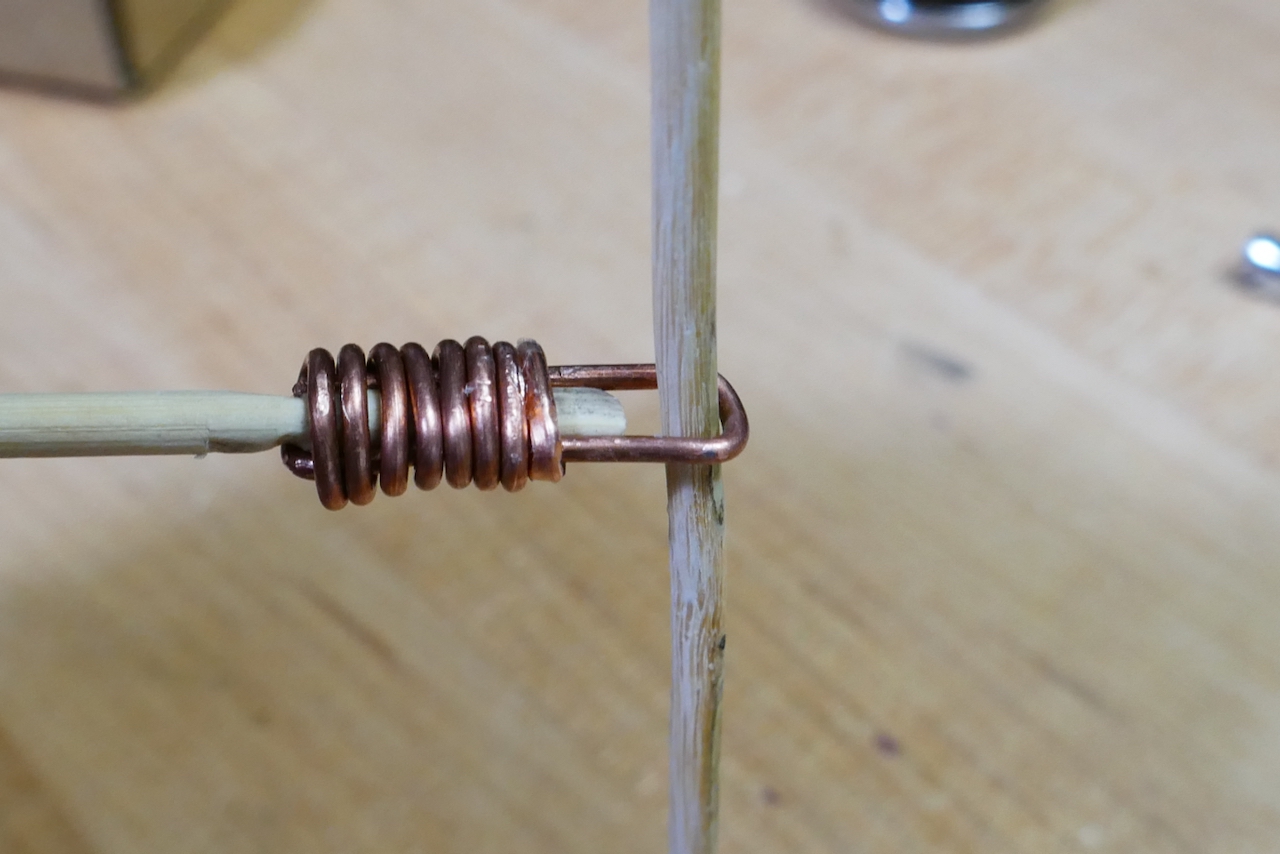
If a student’s boat includes proper yards—those crosspieces that hang horizontally across the mast—we use a slightly different approach. In this case, we make a full loop that encircles the mast. Then we wrap the wire over and under the yard to secure it in place while still allowing movement. It’s a more involved process, but once you see the photos, you’ll understand how it works.
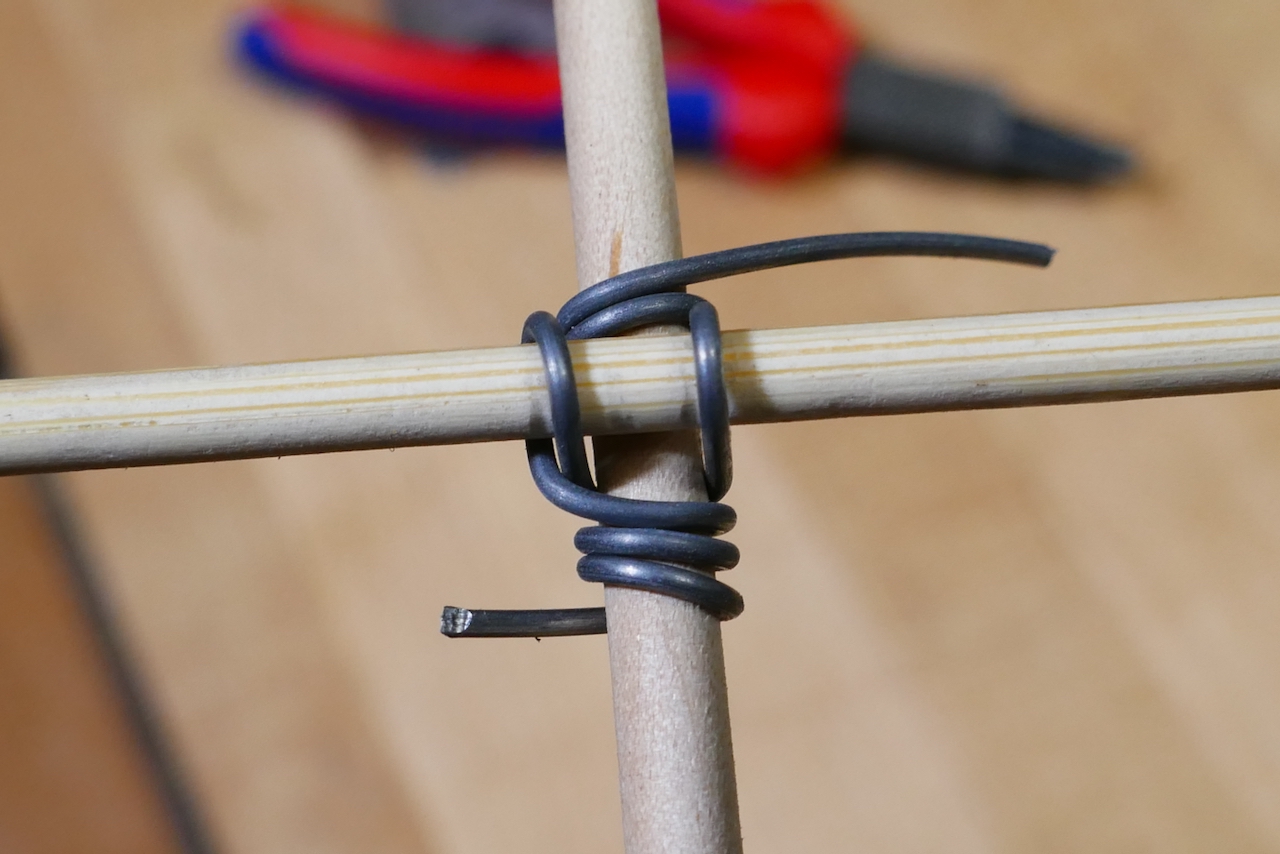
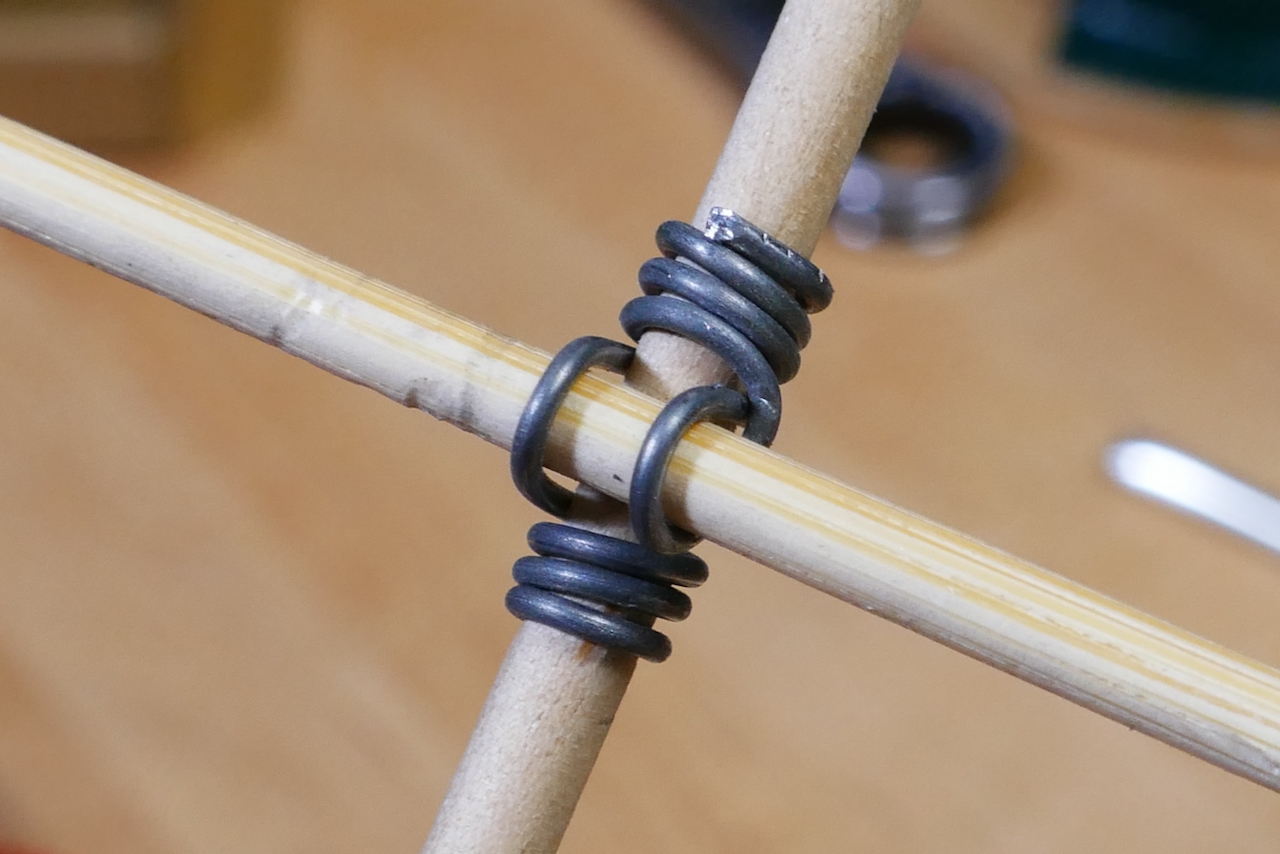
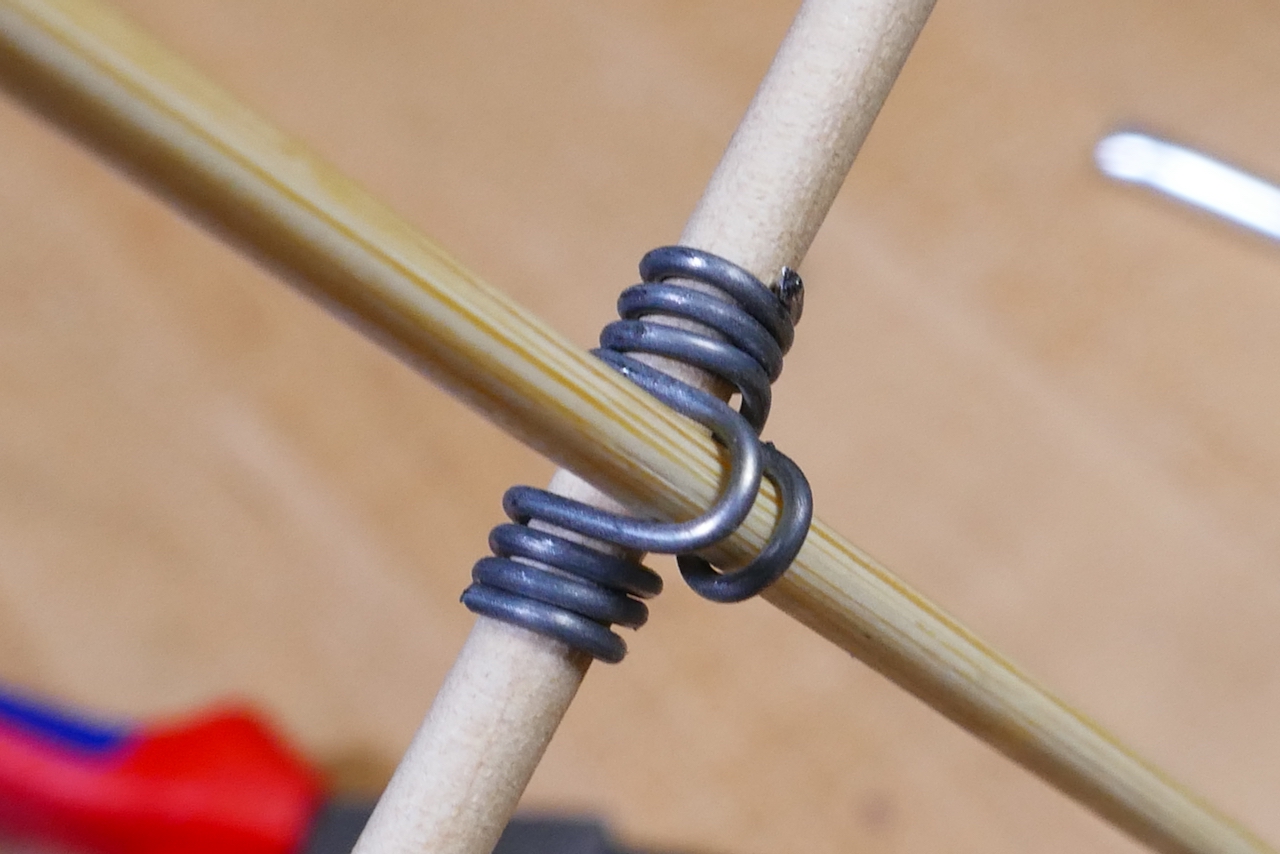
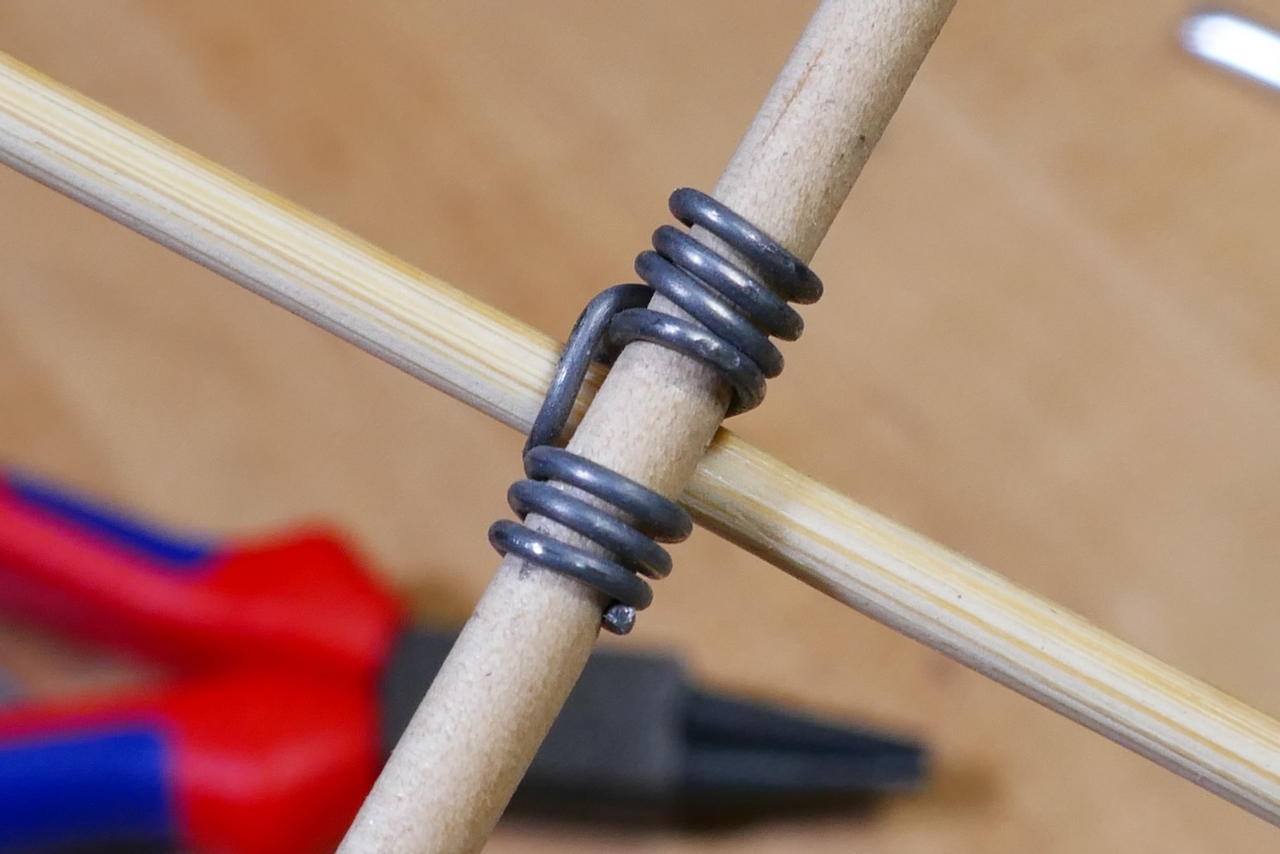
Once all the masts, booms, and possibly yards are fabricated and installed, we’re ready to move on to three final elements: the rigging, the sails, and the paint job.
I’ll cover those in the next installment.