We may receive a commission when you use our affiliate links. However, this does not impact our recommendations.
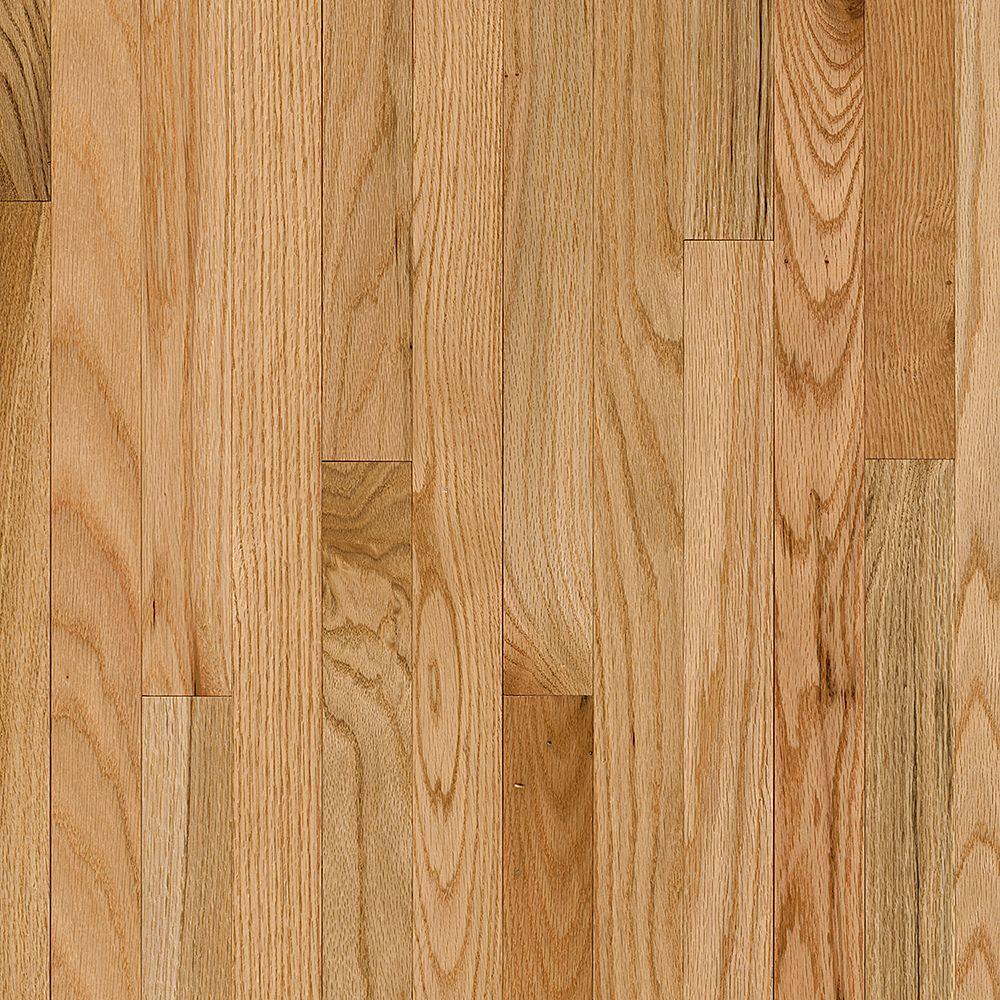
A picture of the oak floor before finishing.
When using a linseed sealer coat, you have to wipe off the excess and let it dry completely.
An old friend had called me with a problem. He had coated a newly installed oak floor in a remodeled upstairs bedroom with oil-based polyurethane and it wouldn’t dry. It had been five days already and the finish was still very tacky. What was the problem he wanted to know?
I wanted to know, too. So I began asking questions because it would be extremely unusual for the problem to be a bad batch of the finish. Polyurethane should dry hard overnight.
It’s fall, so my first question was the obvious one: Was the upstairs bedroom heated? It was. The house had central heat throughout, so the bedroom was the same temperature as the rest of the house, which was mid-70s. But the weather had been mild during those five days, so he had left the windows open to hopefully reduce the odor from spreading to the rest of the house. He had also kept the bedroom door closed most of the time. Anyway, we determined that it wasn’t a temperature problem.
It took lots more questions and discussion before I realized what the problem was. (By the way, this is typical with finish problems; it’s rare that the person gives me the information I need at the beginning.)
So, about 10 minutes into the discussion, he told me that the paint store had instructed him to seal the wood with boiled linseed oil before brushing on the polyurethane. He had done that, brushing on the linseed oil and letting it dry overnight. Further questioning revealed that he hadn’t wiped off the excess linseed oil. He had left it, and next day he brushed the polyurethane right on top.
This was the information I needed. Boiled linseed oil not wiped off will take a very long time to dry. He had made an oil/varnish blend right on the wood. That is, the polyurethane had mixed with the not-yet-dry linseed oil. It’s as if he had brushed on a coat or two of Watco Danish Oil and left it without wiping off the excess. The finish would be tacky for weeks or months, maybe forever.
Linseed oil is a problem finish because of the mystique that surrounds it and its poor drying properties. Used properly, it can be a fine “in-the-wood” finish, but the proper application is not as well known as its reputation.
The paint store should not have suggested the use of linseed oil. Two or three coats of polyurethane would have worked just fine and been sufficient. Polyurethane doesn’t need a separate “sealer” coat.
I suggested one of two remedies for the situation as it is, neither pleasant. One would be to wait until the mixture of oil and polyurethane hardens. I don’t know how long that will be. The other would be to strip off most of what’s there, wait a couple of days, then proceed with the polyurethane. For stripping, I suggested first trying with rags soaked with naphtha. If that didn’t work, I suggested rags soaked with acetone or lacquer thinner. If that didn’t work, he’d need to use a paint stripper.
There was also the possibility of re-sanding the floor, but the tacky finish might gum up the sandpaper so quickly that it would lose its effectiveness almost immediately. It would be a possibility though.
Editor’s note: This blog post was originally published in December 2018.