We may receive a commission when you use our affiliate links. However, this does not impact our recommendations.
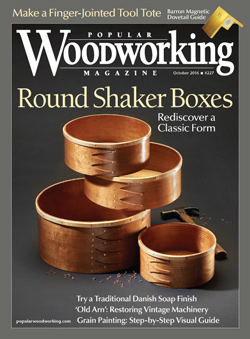 Woodworking magazines might be dying (or just shrinking), but they aren’t going down without a fight.
I’ve been reading woodworking magazines since 1992 or so, and I have kept up with all the major titles since at least 1996. I know most of the writers and editors, and I think a lot about their content and how it’s presented. (I cannot help myself, really, because I’ve been in media my whole life.)
During the last 10 years I’ve watched woodworking magazines shrink in every way. Fewer subscribers. Fewer editors. Fewer pages. Thinner paper. Smaller physical pages (what we call “trim size”). It sucks to see this happen because I know that this means that the magazines are struggling.
But what I’ve also noticed is that the quality of the editorial content has been improving in every woodworking magazine. Why? Because the only people left in the business are A-list cage fighters. You have to be good – really good – to keep a print magazine alive in a digital world where a woodworker in tight shorts or a muscle shirt on YouTube can command as many eyeballs as a magazine issue that represents months of work.
When I started in magazines in the 1990s there were no online videos. So the best way to reach woodworkers was to advertise in a woodworking magazine. So a publisher could be somewhat lazy and still run a profitable magazine. As a result, there were too many woodworking magazines that were filled with too much fluff (build a moose with a pencil sharpener in its butt!).
There were also other factors that artificially inflated the number of subscribers, especially the Publishers’ Clearinghouse Sweepstakes (what we call “agent” business), which could artificially inflate subscription numbers to attract advertising that the magazines didn’t really deserve.
All that came crashing down in the 2000s when the agent business evaporated, digital content became dominant and printing and mailing things became (as always) more expensive than it was the year before. Woodworking magazines began to close. Woodwork, American Woodworker and Shop Notes were just a few of the major casualties.
The survivors started acting more realistically. They let their subscription numbers fall to sustainable levels, they cut staff and editorial costs. And they focused on providing content that kicks the butts of the muscle shirts and tight shorts.
Pick up any woodworking magazine, not necessarily Popular Woodworking Magazine, and I think you’ll find fewer dufus-y projects (a “taco corral!”) and more stuff that is thoughtful and simply cannot be found on YouTube. I now look forward to receiving the magazines I’ve subscribed to, instead of dreading the act of sifting through the sludge to find some nugget of goodness.
So don’t give up on magazines yet. I haven’t.
— Christopher Schwarz
Here are some supplies and tools we find essential in our everyday work around the shop. We may receive a commission from sales referred by our links; however, we have carefully selected these products for their usefulness and quality.