


Our content is meticulously curated through independent research, testing, reviews, and AI-driven recommendations, all designed to present you with the finest product choices. We may receive a commission when you use our affiliate links. However, this does not impact our recommendations.
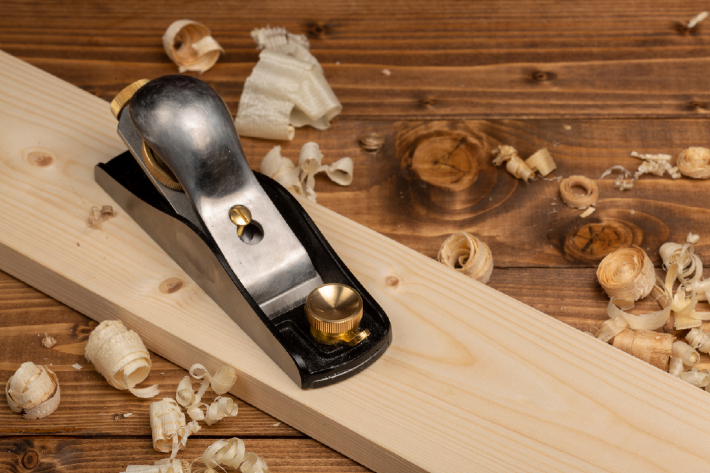
Woodwork provides a lovely finish to any living space. Most people still prefer adding a wooden component like a rack, a cabinet, or a sofa - the choices are endless. Whether you are a professional woodworker or a home-based DIY artist, having the right tools can help you improve the quality of your wooden furniture. Block planes are also an essential addition to your woodworking gadgets. They are used to improve and refine the finishing of your wood-based projects.
Our Top Picks
- Best Value:Woodriver Low Angle Block Plane With Adjustable MouthShop Now ➔
- Basic Entry-Level Plane:JORGENSEN NO.60-1/2 6-1/4" Wood PlanerShop Now ➔
- Solid Starter:Bench Dog No. 60-1/2 Block PlaneShop Now ➔
- Favorite Minature Block Plane on Amazon:Jorgensen 3.5" Mini Wood PlanerShop Now ➔
- Affordable Excellence:Melbourne Tool Company Low Angle Block PlaneShop Now ➔
The Best Affordable Block Planes
Best Value: Woodriver Low Angle Block Plane With Adjustable Mouth

From Woodriver comes a great value option for a high quality block plane with traditional design. The low angle block plane has an adjustable mouth, 12 degree bed angle, knuckle style lever cap, and a 25 degree blade angle of measuring 1-5/8”W x 0.125”T - 2”W x 7”L. Specifications: dimensions 7.85"L x 3.75"W x 2.75"H, high carbon steel blade, ductile iron base, 2 punds, low angle
Pros
- Heavy-duty, durable material
- Classic design is perfect for all skill levels
Cons
- Some users report small quality issues
Basic Entry-Level Plane: JORGENSEN NO.60-1/2 6-1/4" Wood Planer

Offering an affordable block plane with sleek and modern design is Jorgensen's wood planer. It comes with a mini hand planer, low angle. small hand plane for trimming, and an adjustable mouth. The block plan has and adjustable cutitng depth with a 25 degree angled blade and 37 degree cutting angle. Specifications: dimensions 8.27 x 3.39 x 2.13 inches, 1.79 pounds, steel blade, ductile cast iron base, zinc alloy lever cap,
Pros
- Adjustable mouth
- Cost effective
- Modern design
Cons
- Requires more frequent sharpening
Solid Starter: Bench Dog No. 60-1/2 Block Plane
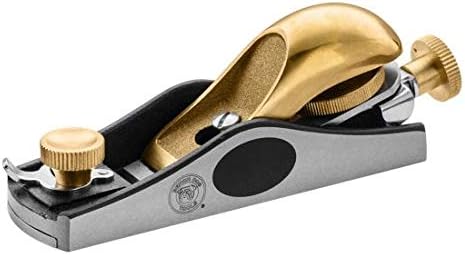
Another classic design but also lightweight option is Bench Dog's low angle hand plane. Perfect for trimming, fitting doors, drawers, as well as for miters and joinery. Specifications: dimensions 6.25 x 1.63 x 6.25 inches, 0.01 Ounces, base cast iron, carbon steel 1/8 inch blade, also includes plane socks, black storage box, certificate of inspections, owner's manual
Pros
- Classic and lightweight design
Cons
- Can be difficult to set up
Favorite Minature Block Plane on Amazon: Jorgensen 3.5" Mini Wood Planer
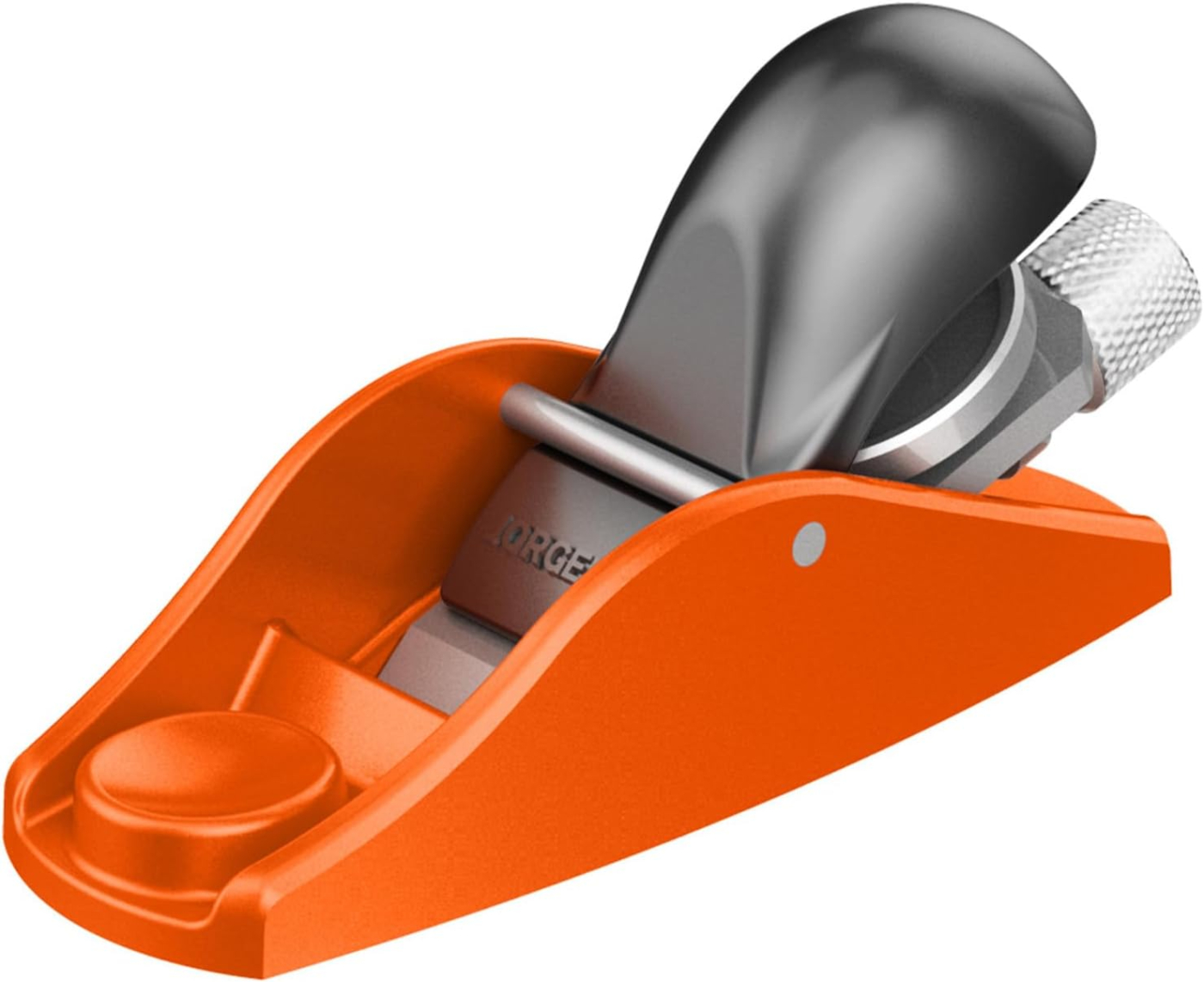
Perfect for small detail work, Jorgensen's mini block plane is great for trimming, polishing, deburring, and cutting. It has a bedded 20 degree angel, and 25 degree bevel. Specifications: dimensions 3.5 x 1.25 x 3.5 inches, 8.8 ounces, ductile iron base, steel blade, zinc alloy cap,
Pros
- Small size creates unique opportunities
- Perfect for fine finishing
Cons
- Small size creates limitations
Affordable Excellence: Melbourne Tool Company Low Angle Block Plane
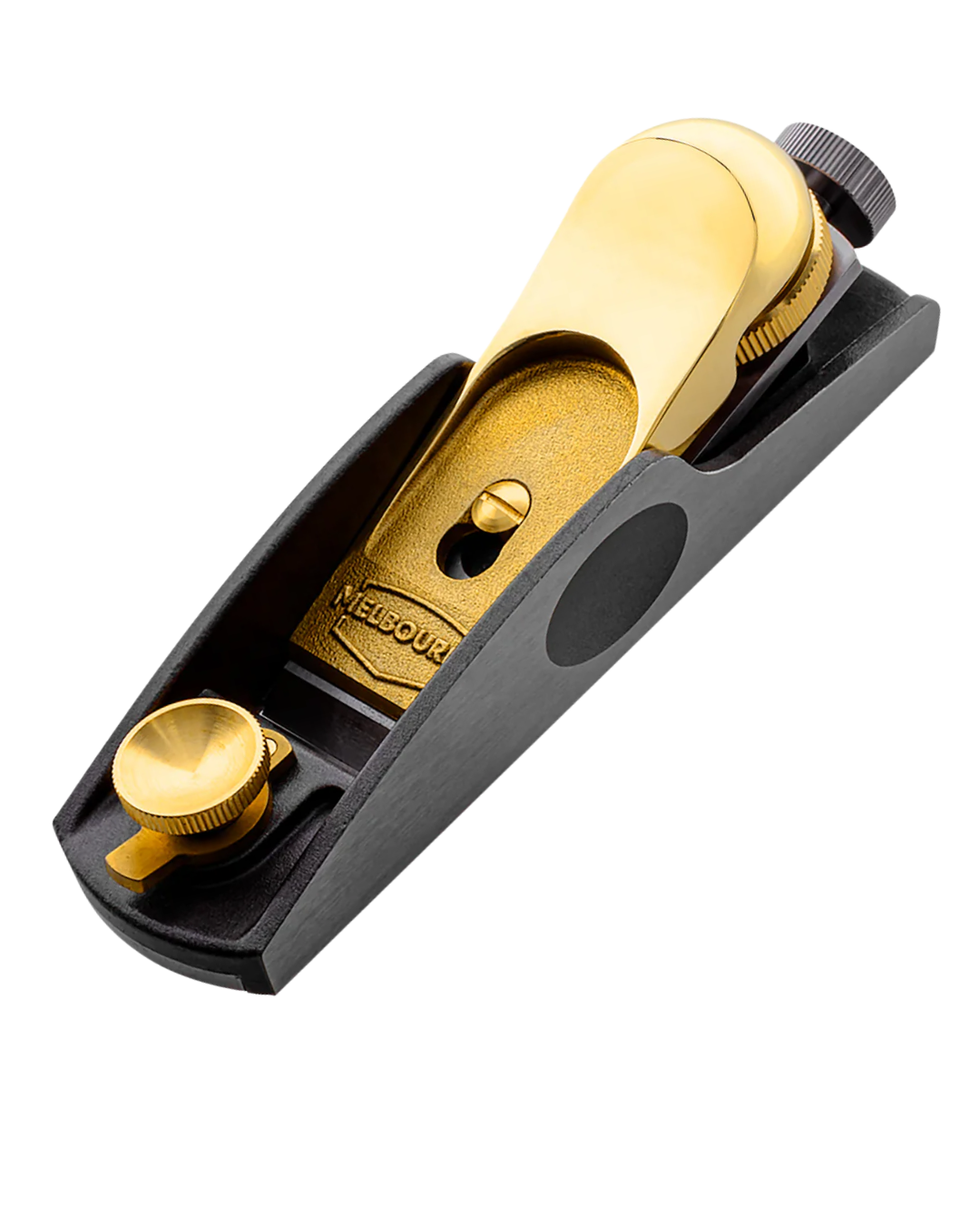
The Melbourne Tool Company offers a high end block plane perfect for shaving end grain, finishing, touch-ups, and offers a versatile and adjustable blade. The 12 degree bevel-up blade is great for any wood type and can be easily adjusted for depth to match any project. Specifications: dimensions 43mm x 165mm, 750g, cap iron is brass, cast steel body, 25 degree steel blade, 3.4mm x 35mm x 110mm blade, limited lifetime warranty, option to buy additional blade types
Pros
- Classic design
- Has an ergonomic grip
Cons
- Often sold out
Buying Guide to Finding Block Planes
Before picking a product, it is essential to have adequate knowledge about it. Block planes are a long-term investment; therefore, you need to consider everything before starting woodwork. Our buying guide will help you pick a worthwhile product.
Important Considerations for Purchasing a Block Plane
The most important considerations you must remember before purchasing a block plane are listed below.
Angle
Block planes generally come in 2 types of angles – standard and low. The standard bed angle is generally 20°; the low-angle bed is 12°. The difference does affect the cutting action a little bit, but it more significantly changes the grip of the tool. You might want to try both styles to see which grip you prefer. The low angle block plane does a better job of handling end grain, though the sharpness of the blade is more important.
Length
The standard length of a block plane is 3 to 8 inches with up to 2 inches in width. This size helps you fit into smaller and more compact areas. Other than this, the size provides an ergonomic grip which makes it easier to control when using. A 7-inch length is suitable for all professional and home-based setups.
Adjustability
It might sound unconventional, but the adjustability of your block plane depends on the material you use. This feature allows you to change angles and adjust them according to the requirements of a particular project.
Material
You can find block planes in both wooden and metallic bodies, but almost all new block planes are metal. A metal plane usually features an adjustable mouth and blade adjuster, which helps with setup.
What Are the Angles of a Block Plane?
Block planes mainly differ in terms of angles. These angles determine the blade strength and also determine the quality of the results. Standard and low angles are two types of angles for you to choose from.
Standard block plane angles
Standard block planes come with 20-degree angles. The bed angles combine with the blade angle to create a 45-degree elevation. Common angles help you create thin wooden pieces to create a glossy look. This angle is perfect for new woodworkers and new users because it does not remove a lot of material in the first place.
If you are looking to improve your skillset, opting for a block plane with a standard angle can do wonders. Although they are perfect for newbies, they might not be suitable for professional use where much cutting and transitioning are required. A standard block plane comes with an ergonomic handle, so you get a comfortable grip and do not add a lot of strain on your hands.
Low block plane angle
Another variant is a low block plane angle with a reduced bed angle. You get a 12-degree angle which creates a 37% elevation. This allows you to pass more material per pass, allowing you to get the job done much faster. Since block planes with a lower angle remove more material, they are not a top choice for beginners. You can use these planes in a professional setup to get things done much quicker. However, if you are an experienced DIY woodworker, it is possible to shift to a low-angle block plane.
What Is the Material of Block Planes?
Block planes are made of either a metal or wooden base. While they perform similar functions, setup and adjustment are quite different. To simplify things, we’ll focus on metal-bodied planes.
Benefits of a Block Plane
The block plane you pick serves certain benefits to your crafting routine. Here is a list of perks you get by adding a plane to your toolbox.
Precision
When working on a product, it is essential to look for precision. A high-quality block plane helps you achieve precise chamfers. It cuts accurate slopes of all kinds, whether you opt for long grain or end grain. This precision and accuracy help you add a professional touch to your product.
Better grain management
A high-quality block plane can tackle grains in a much better way. End grains can look quite prominent and can be encountered easily. However, with a well-honed, low-angle block plane, it is easier to cut grains and make sure you end up with a smooth finish without any rough textures.
Levels corner joints
Unfinished edges and sharp corner joints can be unforgivable and cause injuries as you use them. With the help of a block plane, you can corner different joints providing a sleek finish. Besides, low-angle ones are also valuable for curving machine marks without hampering the wood quality. Easing sharp edges is the final touch to any furniture.
Conclusion
Woodworkers need ideal tools to create high-quality products with a professional finish. Block planes are an everyday essential in your toolbox that can improve the quality of your crafts. It is either made of wood or metal with a sharp blade that provides accurate cuts to woodblocks. It also ensures that your product has a smooth finish with no sharp edges. Before buying a block plane, always consider things like material, angles, length, and adjustability.
People Also Asked
Do all block planes come with a handle?
Metal block planes have a handle for ergonomic grip because of their weight and body. Wooden ones are much lighter and do not require a handle.
How can I change the blade of a block plane?
Back off the height while adjusting the screw. Once the screw loosens up, you can take it out of the plane and replace it with a similar model.
How do I maintain a block plane?
Block planes blades need to be sharpened regularly. Occasionally you may need to flatten the sole of the plane as well.


